Unauthorized occupants are one of the most common issues Seattle landlords face, especially in a competitive rental market where tenants may quietly move in roommates, partners, relatives, or long-term guests without approval. While some situations begin innocently, unauthorized occupants can quickly create lease violations, insurance concerns, safety issues, and legal complications for rental property owners.
For Seattle landlords, handling unauthorized occupants requires a careful balance between protecting the property, following Washington landlord-tenant laws, and maintaining professional communication with residents. Acting too aggressively can create fair housing or compliance issues, while ignoring the situation can lead to property damage, unpaid utilities, overcrowding, and increased liability.
This guide explains how Seattle landlords should approach unauthorized occupants professionally, legally, and strategically while reducing risk and protecting long-term rental performance.
If you are trying to improve lease enforcement and reduce operational headaches, you can also learn more about professional property management in Seattle and how structured systems help landlords stay compliant.
Ready to Explore Your Seattle Rental Potential?
See how your property compares in the May 2026 market.
Why Unauthorized Occupants Matter In Seattle
Seattle’s rental market is unique because landlords must navigate strict housing regulations, tenant protections, fair housing rules, and evolving lease compliance requirements. Unauthorized occupants Seattle landlords deal with are not simply an inconvenience. They can create serious operational and financial problems.
In many cases, unauthorized occupants may:
- Increase wear and tear
- Cause parking or HOA violations
- Exceed occupancy limits
- Trigger insurance concerns
- Create security risks
- Affect utility costs
- Complicate eviction proceedings
- Make screening standards inconsistent
Seattle landlords also operate under heightened compliance expectations. Consistent lease enforcement matters because selective enforcement can create legal exposure.
According to the Seattle Department of Construction and Inspections, landlords are expected to maintain lawful and safe housing conditions while following local rental regulations: https://www.seattle.gov/sdci
Washington State landlord-tenant laws also establish important procedures regarding lease enforcement and notices: https://app.leg.wa.gov/rcw/default.aspx?cite=59.18
What Counts As An Unauthorized Occupant?
An unauthorized occupant is someone living in the rental property who is not listed on the lease agreement and has not been formally approved by the landlord.
This differs from a temporary guest.
Guest Vs Unauthorized Occupant
A guest typically:
- Visits temporarily
- Does not receive mail at the property
- Does not contribute to rent
- Does not stay continuously
- Does not use the property as their primary residence
An unauthorized occupant often:
- Lives at the property full time
- Receives mail there
- Has moved belongings into the unit
- Uses the address officially
- Has keys or access devices
- Stays beyond lease guest limitations
Most leases define how long guests may stay before landlord approval becomes necessary. Many Seattle leases use limits such as:
- More than 7 consecutive days
- More than 14 days in a month
- More than 30 cumulative days annually
Landlords should clearly define occupancy rules inside the lease agreement.
Common Reasons Unauthorized Occupants Move Into Rentals
Seattle landlords often discover unauthorized occupants because of:
- Rising housing costs
- Relationship changes
- Family members moving in
- Job loss
- Rent-sharing arrangements
- Subleasing without permission
- Long-term guests overstaying
In Seattle’s expensive housing market, some tenants attempt to reduce costs by adding roommates after move-in without landlord approval.
According to Zillow rental trends, Seattle continues to experience elevated rental costs compared to national averages: https://www.zillow.com/rental-manager/market-trends/seattle-wa/
This financial pressure sometimes encourages tenants to quietly add occupants without considering lease implications.
Risks Of Unauthorized Occupants For Seattle Landlords
Increased Property Wear And Tear
Extra occupants create additional strain on:
- Flooring
- Plumbing
- Appliances
- HVAC systems
- Parking areas
- Shared amenities
Higher occupancy often accelerates maintenance cycles and turnover costs.
Seattle landlords already face increasing repair and maintenance expenses, making prevention especially important.
You can also read more about Seattle rental maintenance expectations.
Concerned About Lease Violations In Your Seattle Rental?
Professional lease enforcement and tenant communication can help reduce costly occupancy issues before they escalate.
Insurance And Liability Concerns
Unauthorized occupants may create insurance complications because many landlord policies are based on disclosed occupancy information.
If an unapproved resident causes damage or injury, insurance carriers may:
- Deny certain claims
- Increase premiums
- Investigate occupancy violations
- Limit liability coverage
This becomes especially important in:
- Multi-family buildings
- HOA communities
- Single-family rentals with occupancy caps
Landlords should regularly review insurance requirements and document occupancy concerns carefully.
Additional guidance on rental insurance considerations can be found here:
https://gpsrenting.com/rental-property-insurance-landlords-tenants/
Unsure If Your Seattle Rental Is Properly Protected?
Compare your rental strategy with today’s Seattle market and identify potential lease and occupancy risks early.
Unauthorized Occupants Can Affect Eviction Cases
One major mistake landlords make is ignoring unauthorized occupants for too long.
When violations go undocumented:
- Enforcement becomes inconsistent
- Legal standing weakens
- Occupants may establish residency claims
- Removal becomes more difficult
Seattle landlords should never attempt “self-help” removal methods such as:
- Changing locks
- Shutting off utilities
- Removing belongings
- Harassing occupants
Washington law provides specific legal procedures landlords must follow.
You can read more about Seattle eviction-related procedures here.
Fair Housing Considerations Seattle Landlords Must Understand
Handling unauthorized occupants requires consistency.
Landlords should avoid:
- Selective enforcement
- Discriminatory assumptions
- Unequal occupancy rules
- Inconsistent screening standards
For example:
- Families with children cannot be treated differently
- Relationship status should not affect enforcement
- National origin assumptions can create liability
Seattle and Washington fair housing rules are strict.
HUD fair housing guidance:
https://www.hud.gov/program_offices/fair_housing_equal_oppSeattle landlords should also understand local screening regulations and fair chance housing rules.
ights Boulevard Park: ~$1,367/month- Holly Park: ~$1,411/month
- Mt Baker: ~$1,493/month
These areas attract price-sensitive renters and often experience higher listing competition.
Signs Of Unauthorized Occupants
Landlords often discover unauthorized occupants through patterns rather than direct disclosure.
Common warning signs include:
- Multiple vehicles regularly parked onsite
- Excessive trash generation
- Increased utility usage
- Frequent complaints from neighbors
- Additional mattresses or furniture during inspections
- Multiple people consistently entering and leaving
- Mail addressed to unknown individuals
- Social media or listing evidence
- HOA complaints
Professional documentation is critical before taking action.
You can read more about landlord documentation best practices.
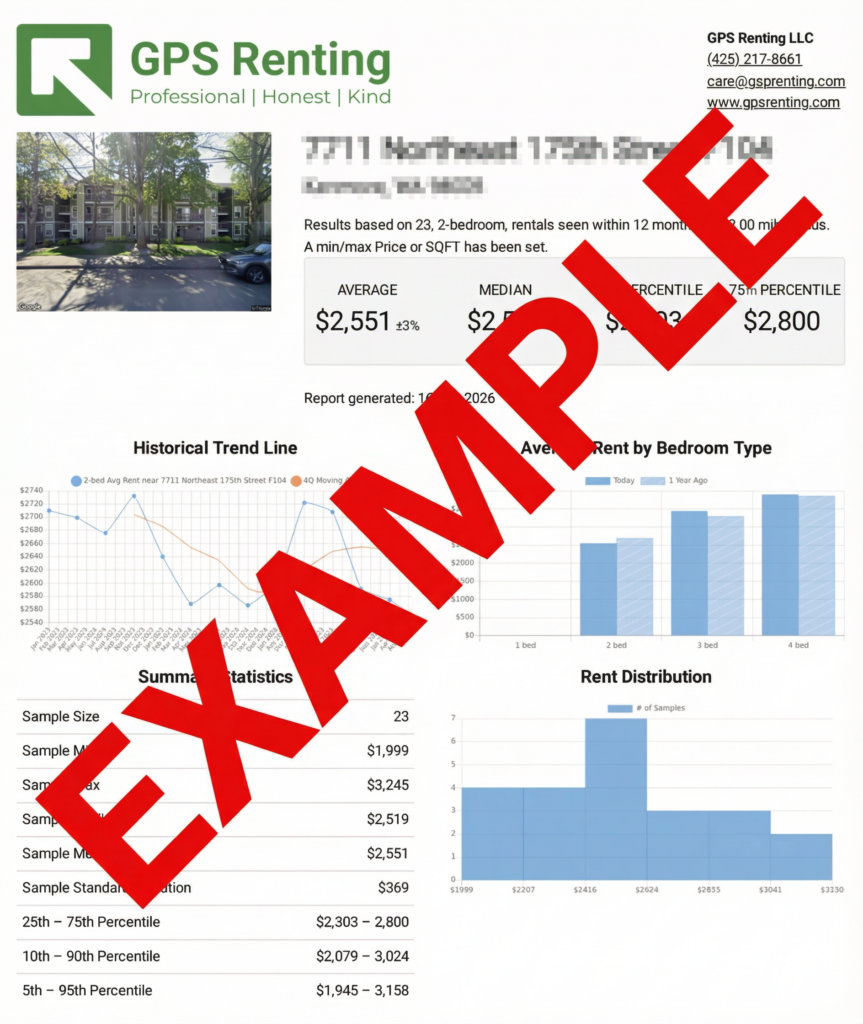
Ready to Price Your Rental Correctly?
Calculate Your Rental Potential
Use our True Cost Calculator to understand your property’s value and rental potential. Input your address and see:
- What your property is worth today
- What you’d net if you sold
- What you’d earn if you kept it as a rental
- How your neighborhood compares
How Seattle Landlords Should Respond Professionally
Step 1: Review The Lease Agreement
Before contacting the tenant:
- Review occupancy clauses
- Confirm guest policy language
- Verify notice requirements
- Review local compliance obligations
The lease should clearly explain:
- Occupancy limits
- Guest duration limits
- Approval procedures
- Consequences for violations
Step 2: Gather Documentation
Document observations professionally.
Examples include:
- Inspection reports
- Resident complaints
- Parking records
- Mail evidence
- Maintenance observations
- Written communication logs
Avoid assumptions or emotional accusations.
Objective documentation is extremely important if escalation becomes necessary.
Step 3: Communicate Calmly And Professionally
Many situations can be resolved early through respectful communication.
Instead of immediately threatening eviction:
- Ask clarifying questions
- Reference lease language
- Explain approval requirements
- Offer solutions where appropriate
Professional communication often prevents escalation.
You can learn more about communication transparency in property management.
Step 4: Determine Whether Approval Is Appropriate
Not every unauthorized occupant situation requires immediate removal.
Sometimes landlords may:
- Require screening
- Add the occupant to the lease
- Increase authorized occupancy formally
- Update parking or utility terms
However, landlords should maintain consistent standards for:
- Income verification
- Screening
- Occupancy limits
- Background criteria
When Unauthorized Occupants Become A Serious Problem
Some situations require faster escalation, especially when:
- Occupants refuse screening
- Criminal activity is involved
- HOA violations occur
- Property damage increases
- Rent remains unpaid
- Occupancy exceeds legal limits
- Safety risks develop
Seattle landlords should document every communication carefully and consult legal professionals when needed.
Inspection Strategies That Help Prevent Unauthorized Occupants
Routine inspections often reveal occupancy issues before they become severe.
Professional inspections may identify:
- Additional sleeping areas
- Overcrowding
- Safety hazards
- Unauthorized pets
- Lease compliance concerns
Seattle landlords should conduct inspections lawfully and provide required notice.
You can learn more about Seattle rental inspection frequency here.
Lease Clauses Seattle Landlords Should Include
Strong lease agreements reduce confusion and support consistent enforcement.
Recommended occupancy clauses may include:
- Guest duration limitations
- Approval requirements for additional occupants
- Screening requirements
- Occupancy maximums
- Unauthorized occupant consequences
- Utility allocation terms
- Parking restrictions
Seattle landlords should ensure lease language aligns with Washington law and local ordinances.
Unauthorized Occupants And Rent Collection Problems
Extra occupants sometimes contribute to:
- Shared payment confusion
- Increased financial instability
- Informal subleasing
- Higher turnover risk
When unauthorized residents become involved in payment disputes, collection issues can become more complicated.
Related resources:
Need Help Handling Unauthorized Occupants?
Schedule a Consultation
Protect your rental with professional lease enforcement, documentation, and tenant communication support.

Haobang Lu
Business Development Manager
How Professional Property Management Helps Prevent Occupancy Problems
Professional property management companies reduce unauthorized occupant risks through:
- Strong lease drafting
- Consistent enforcement
- Routine inspections
- Professional communication
- Detailed documentation
- Screening systems
- Compliance procedures
At GPS Renting, the focus is on being professional, honest, and kind while still protecting owners through structured operational processes.
Landlords often underestimate how difficult consistent lease enforcement becomes when managing properties independently.
Frequently Asked Questions
Can A Tenant Have Someone Move In Without Permission In Seattle?
Most lease agreements require landlord approval before additional occupants move into the property. Unauthorized occupants Seattle landlords discover may violate lease occupancy terms depending on the lease language and local regulations.
How Long Before A Guest Becomes An Unauthorized Occupant?
This depends on the lease agreement. Many Seattle leases establish limits based on consecutive nights or cumulative stay duration. Once someone effectively lives at the property without approval, they may be considered an unauthorized occupant.
Can A Landlord Evict For Unauthorized Occupants?
Potentially, yes. However, Seattle landlords must follow proper legal procedures and comply with Washington landlord-tenant laws. Documentation and consistent enforcement are important.
Should Seattle Landlords Allow Additional Occupants?
Sometimes additional occupants may be approved after screening and lease updates. The decision should follow consistent policies and occupancy standards.
Are Unauthorized Occupants Covered By Rental Insurance?
Not always. Insurance carriers may review occupancy details when handling claims. Unauthorized residents can create liability complications depending on the policy.
Can Unauthorized Occupants Cause HOA Violations?
Yes. Many HOAs have occupancy, parking, and guest restrictions. Unauthorized occupants may increase complaints and compliance problems.
How Can Landlords Prove Someone Lives In The Rental?
Documentation may include inspection observations, parking patterns, mail records, neighbor complaints, maintenance reports, and communication history.
Should Landlords Immediately Serve Notices?
Not necessarily. Many situations can first be addressed through communication and clarification. However, landlords should not ignore violations for extended periods.
How Often Should Seattle Landlords Inspect Rentals?
Inspection frequency varies, but periodic lawful inspections help identify occupancy concerns, maintenance issues, and lease compliance problems earlier.
What Is The Best Way To Prevent Unauthorized Occupants?
Strong screening, detailed lease agreements, professional communication, regular inspections, and consistent enforcement are the most effective prevention strategies.
Final Thoughts
Unauthorized occupants Seattle landlords deal with are more than a simple lease issue. They can affect liability, property condition, insurance, rent collection, and long-term operational stability.
The key is responding professionally, consistently, and legally while maintaining clear documentation and communication. Seattle’s rental regulations continue to evolve, making structured property management systems increasingly valuable for landlords who want to reduce risk and protect their investments.
If you want help improving lease enforcement, tenant screening, inspections, and rental compliance systems, GPS Renting can help landlords navigate Seattle’s increasingly complex rental environment with a professional, honest, and kind approach.

Written by Nick He, Founder of GPS Renting
Nick He founded GPS Renting with the mission of providing professional, honest, and kind property management throughout the Greater Seattle area. Through years of working directly with Seattle landlords and residents, Nick has developed extensive experience handling lease compliance issues, tenant communication challenges, property operations, and Washington landlord-tenant regulations. His landlord and tenant guides are designed to help rental property owners navigate complex situations with practical strategies, clear documentation practices, and real-world operational insight tailored to Seattle’s evolving rental market.