
Every landlord has a story. The tenant who stops paying rent. The one who ignores maintenance requests. The one who violates the lease repeatedly.
Read more: What To Do When A Tenant Stops Paying Rent
But here’s what many landlords don’t realize: Most “difficult” tenants aren’t trying to be difficult. They’re struggling.
According to Seattle’s Renting in Seattle program, proactive communication between landlords and tenants helps prevent disputes before they escalate.
The tenant who pays rent late might be dealing with a job loss or medical emergency. The one who violates the lease might not understand the rules. The one who ignores maintenance requests might be embarrassed about the condition of their home.
This doesn’t excuse lease violations or non-payment. But it changes how we respond.
This guide walks you through handling difficult tenants in Seattle—legally, professionally, and with kindness. Because the best property managers understand that treating tenants fairly isn’t just the right thing to do. It’s also good business.
Read more: Seattle Landlord Tenant Law Guide
We’ve created a short video discussing how landlords in Seattle can handle difficult tenants while staying compliant with local laws.
In this video, we walk through common challenges property owners face, practical ways to manage tenant issues professionally, and key steps to protect yourself legally while maintaining positive rental relationships.
The Kindness Advantage in Property Management
Before we talk about procedures and legal requirements, let’s talk about why kindness matters.
The Business Case for Kindness
- Lower Turnover: Tenants who feel respected and treated fairly renew their leases. Turnover costs thousands in vacancy, cleaning, repairs, and re-leasing. A kind landlord keeps good tenants longer.
- Better Maintenance: Tenants who feel respected take better care of the property. They report issues early instead of letting them become major problems. They treat the home like their own.
- Fewer Problems: Most tenant problems start small. A late rent payment. A minor lease violation. These escalate into major conflicts when handled harshly. Kindness and communication often prevent escalation.
- Positive Reputation: Tenants talk. A landlord known for fairness and kindness attracts better tenants. A landlord known for being harsh attracts tenants who are desperate—and more likely to cause problems.
- Legal Protection: Ironically, treating tenants fairly also protects you legally. Retaliation claims, discrimination claims, and other legal problems often stem from tenants who feel they’ve been treated unfairly. Kindness and clear communication reduce legal risk. Based on guidance from the Seattle Office for Civil Rights, consistent and fair treatment of tenants reduces legal risk and discrimination claims.
- Peace of Mind: Managing rentals with kindness is less stressful. You sleep better knowing you’ve treated people fairly, even when they’ve made mistakes.
- The bottom line: Kindness isn’t soft. It’s strategic. It’s how you build a sustainable, profitable rental business.
Want to Avoid Losing Rent During Turnover?
See how much vacancy time could cost and compare your options before listing your property.
Understanding the Person Behind the Problem
Before you label someone a “difficult tenant,” take a moment to understand their situation.
Why Tenants Struggle
- Financial Hardship: Job loss, medical emergencies, unexpected expenses, or simply living paycheck-to-paycheck.
- Life Circumstances: Divorce, custody changes, family illness, mental health challenges, or domestic violence.
- Lack of Knowledge: Many tenants don’t know the rules. They don’t understand lease terms. They don’t know how to report maintenance issues properly.
- Communication Barriers: Language barriers, literacy challenges, or simply not knowing how to communicate with a landlord.
- Systemic Issues: Discrimination, lack of affordable housing, or prior evictions that make it hard to find housing.
This doesn’t excuse problems. But it changes how you respond.
According to the Washington State Residential Landlord Tenant Act, landlords must follow specific legal procedures when addressing tenant issues.
The Kindness Framework for Property Management
Here’s how GPS Renting approaches difficult tenants: Assume good intent. Communicate clearly. Give people a chance to do the right thing. Only escalate when necessary.
The Four Principles:
1. Assume Good Intent
Most people want to do the right thing. When a tenant violates the lease or pays late, assume they have a reason—not that they’re trying to cause problems.
This doesn’t mean ignoring the problem. It means approaching it with curiosity instead of judgment.
Instead of: “This tenant is irresponsible and doesn’t care about the lease.”
Try: “This tenant is usually reliable. Something must be going on. How can I help?”
2. Communicate Clearly and Kindly
Clear communication prevents most problems. When you notice an issue, address it directly and kindly.
Example of Kind Communication:
“Hi [Tenant Name], I noticed your rent was a few days late this month. I wanted to check in and make sure everything is okay. If you’re having financial difficulty, let’s talk about it. We might be able to work something out. Please let me know how I can help.”
This accomplishes several things:
- It addresses the problem without being accusatory
- It shows you care about their wellbeing
- It opens a dialogue instead of creating conflict
- It gives them a chance to explain
- It positions you as a partner, not an adversary
Example of Harsh Communication:
“Your rent is late. This is unacceptable. Pay immediately or face eviction.”
This accomplishes the opposite:
- It creates defensiveness
- It shuts down communication
- It positions you as the enemy
- It makes the tenant less likely to communicate in the future
- It escalates the situation
3. Give People a Chance to Do the Right Thing
Most people, when treated fairly and given a chance, will do the right thing.
If a tenant pays rent late, give them a few days. If they violate the lease, give them a chance to fix it. If they’re struggling, work with them.
This doesn’t mean being a pushover. It means being reasonable.
4. Only Escalate When Necessary
Escalation should be your last resort, not your first response.
If a tenant has repeatedly violated the lease after multiple conversations, if they’re refusing to communicate, if they’re causing harm to the property or other tenants—then escalate.
But most situations can be resolved with kindness and clear communication.
Want to Fill Your Vacancy Faster?
Strong pricing and positioning can reduce vacancy days and protect your rental income.
What Makes a Tenant "Difficult"? (A Kinder Perspective)
Let’s redefine what we mean by “difficult tenant.”
A truly difficult tenant is someone who:
- Repeatedly violates the lease after being given multiple chances
- Refuses to communicate or engage
- Is causing harm to the property or other tenants
- Is engaging in illegal activity
- Is threatening or abusive to the landlord or neighbors
A tenant who pays late once, or who makes a mistake, or who needs help understanding the rules—that’s not a difficult tenant. That’s a person who needs support.
The distinction matters. It changes how you respond.
Step 1: Understand the Situation
Before taking any action, understand what’s really going on.
Ask Questions:
If rent is late: “Is everything okay? Are you having trouble making rent?”
If there’s a lease violation: “I noticed [violation]. Can you help me understand what’s happening?”
If maintenance is being ignored: “I want to make sure your home is safe and comfortable. Can we schedule a time for me to check on that issue?”
Listen to the Answer:
You might learn something that changes your approach. Maybe the tenant is struggling financially and needs a payment plan. Maybe they didn’t understand the lease term. Maybe they’re dealing with a personal crisis.
Respond with Empathy:
Once you understand the situation, respond with empathy. This doesn’t mean ignoring the problem. It means addressing it in a way that respects the person’s dignity.
Read more: Tenant Screening Criteria Guide
Step 2: Document Everything (Kindly)
Documentation is important for legal protection. But it doesn’t have to be adversarial.
Based on guidance from WashingtonLawHelp, keeping written records of tenant communication is essential for resolving disputes and protecting landlords legally
Read more: Landlord Documentation Washington State Guide
What to Document:
- Dates and details of issues
- Communication with the tenant
- Agreements you’ve made
- Photos or evidence (if applicable)
- Tenant’s explanation or response
How to Document Kindly:
Keep your documentation factual and neutral. Avoid judgmental language.
Instead of: “Irresponsible tenant ignored maintenance request for weeks.”
Write: “Maintenance request submitted 3/15. Tenant did not respond to access request on 3/20 and 3/25. Finally granted access on 3/28.”
This is factual, neutral, and protects you legally without being harsh.
Step 3: Communicate in Writing (But Kindly)
Written communication is important for legal protection. But it can still be kind. According to HUD housing guidance, clear written communication helps prevent escalation between landlords and tenants.
A Kind Notice Example:
“Dear [Tenant Name],
I hope this letter finds you well. I wanted to reach out about your rent payment for March, which was due on March 1st and received on March 8th.
I understand that life happens, and sometimes we face unexpected challenges. If you’re having difficulty making rent on time, I’d like to help. We can discuss a payment plan or other options that might work for your situation.
Please let me know how I can support you. You can reach me at [phone] or [email].
I appreciate your tenancy and value our relationship.
Best regards,[Landlord Name]”
This accomplishes:
- It addresses the problem clearly
- It shows empathy
- It opens a dialogue
- It offers solutions
- It maintains the relationship
Compare to a Harsh Notice:
“Your rent is late. This is a violation of your lease. Pay immediately or face eviction proceedings.”
The first approach is more likely to result in payment and a positive relationship. The second approach is more likely to result in conflict and legal problems.
Step 4: Offer Solutions, Not Just Problems
When you identify an issue, offer solutions.
If Rent is Late:
- “Would a payment plan work for you?”
- “Can we set up automatic payments to make it easier?”
- “Is there something I can do to help?”
If There’s a Lease Violation:
- “Here’s what the lease says about this. Can we work together to fix it?”
- “I want to help you understand the rules. Do you have questions?”
- “What would help you comply with this?”
If There’s a Maintenance Issue:
- “I want to make sure your home is safe. When can I come fix this?”
- “This needs to be addressed. Let’s find a time that works for you.”
- “I’m here to help maintain your home.”
If Communication is Difficult:
- “I want to understand your perspective. Can we talk?”
- “I might not be communicating clearly. Let me try again.”
- “What’s the best way for me to reach you?”
Step 5: Follow Legal Requirements (With Kindness)
You still need to follow Washington state law. But you can do it kindly.
Legal Requirements:
Notice to Pay Rent or Quit:
- 5 days to pay or move
- Must be in writing
- Must specify amount owed
Notice to Cure or Quit:
- 10 days to fix the problem
- Must be in writing
- Must specify the violation
Notice to Vacate:
- 30-60 days notice (depending on tenancy length)
- Must specify reason (just cause required)
You can follow these requirements while still being kind. A well-written notice that explains the issue, offers solutions, and gives the tenant time to respond is both legally compliant and humane.
Based on Seattle Department of Construction and Inspections guidance, landlords must follow proper notice rules before taking further action.
Step 6: Know When to Get Professional Help
Sometimes, despite your best efforts, a situation requires professional intervention.
When to Consult an Attorney:
- The tenant is threatening legal action
- You need to evict
- The situation involves illegal activity
- You’re unsure about your legal rights
- The tenant claims retaliation
- The situation involves safety issues
Getting professional help isn’t about being harsh. It’s about protecting yourself and ensuring you follow the law correctly.
Step 7: The Eviction as a Last Resort
If you’ve tried everything and the tenant still won’t comply, eviction might be necessary.
But even eviction can be handled with kindness.
A Kind Approach to Eviction:
- Make sure you’ve given the tenant multiple chances
- Make sure you’ve communicated clearly about the problem
- Make sure you’ve offered solutions
- Make sure you’ve followed all legal requirements
- Consider offering the tenant an opportunity to move voluntarily (with time and support) instead of forcing an eviction
Sometimes a tenant will respond better to: “I understand this isn’t working out. I’m happy to give you 30 days to find a new place, and I’ll write a neutral reference letter for your next landlord.”
This is kinder than forcing an eviction, and it often results in a smoother transition.
According to Washington Courts, eviction is a structured legal process that must follow specific timelines and documentation.
Read more: Seattle Evictions DIY or Hire Lawyer Guide
Step 8: Prevent Problems Through Kindness
The best way to handle difficult tenants is to prevent them in the first place.
Kind Tenant Screening:
- Be respectful during the application process
- Explain your requirements clearly
- Give tenants a fair chance (don’t automatically reject based on one negative factor)
- Check references fairly and thoroughly
- Be transparent about your expectations
Kind Lease Agreements:
- Make sure the lease is clear and easy to understand
- Explain all rules and expectations
- Answer questions patiently
- Get the tenant to sign acknowledging they understand
- Provide a copy for their records
Kind Ongoing Communication:
- Check in with tenants regularly
- Address small issues before they become big problems
- Be responsive to maintenance requests
- Treat tenants with respect
- Show appreciation for good tenants.
Based on Seattle renter guidance, proactive communication between landlords and tenants reduces disputes.
Step 9: Build a Culture of Respect
The way you treat your tenants sets the tone for your entire rental business.
What GPS Renting Believes:
Tenants deserve respect. They deserve to live in safe, well-maintained homes. They deserve to be treated fairly. They deserve kindness.
This isn’t about being soft or ignoring problems. It’s about recognizing that your tenants are people—people who are trying to build their lives, support their families, and find stability.
When you treat tenants with respect, they respond. They take care of the property. They pay rent on time. They communicate openly. They renew their leases.
This is what makes GPS Renting different. We don’t just manage properties. We manage relationships.
Step 10: Know When to Walk Away
Sometimes, despite your best efforts, a tenant situation isn’t working.
When to Consider Ending the Tenancy:
- The tenant is repeatedly violating the lease after multiple conversations
- The tenant is refusing to communicate
- The tenant is creating a hostile environment
- The tenant is causing damage to the property
- The situation is affecting your mental health or wellbeing
It’s okay to end a tenancy. But do it kindly and fairly.
Give proper notice. Follow legal procedures. Treat the tenant with respect even as you’re asking them to leave.
Stay Informed About the Seattle Rental Market
Staying informed about the Seattle rental market allows property owners to make smarter, data-driven decisions. We share regular updates, local Seattle insights, and market analysis to help landlords navigate pricing trends, demand changes, and new regulations.
The Bottom Line: Kindness is Strength
Handling difficult tenants doesn’t require being harsh or aggressive. In fact, kindness is often more effective.
The principles:
1.Assume good intent – Most people are doing their best
2.Communicate clearly – Clear communication prevents most problems
3.Listen with empathy – Understand the person’s situation
4.Offer solutions – Don’t just identify problems
5.Follow the law – But do it kindly
6.Give second chances – People deserve opportunities to do the right thing
7.Escalate only when necessary – Make it your last resort
8.Treat people with dignity – Even when they’ve made mistakes
9.Build relationships – Not just transactions
10.Remember your values – Kindness matters
Difficult tenants are a reality of being a landlord. But with kindness, clear communication, and respect for the person behind the problem, you can handle them professionally and maintain your integrity.
Ready to Manage Your Rentals With Kindness and Professionalism?
At GPS Renting, we believe that property management should be both professional and kind. We handle tenant issues fairly, communicate clearly, and treat people with respect.
Need Help with Your Rental?
If you’d rather focus on other things while we manage your rental professionally and kindly, we’re here to help.
Schedule a Consultation
Spring turnover can be stressful. If you’d rather focus on other things while we handle tenant screening, pricing, and lease management, we’re here to help.

Haobang Lu
Business Development Manager
Or use our True Cost Calculator to understand your property’s value and whether professional management makes sense for you.
Calculate Your Rental Potential
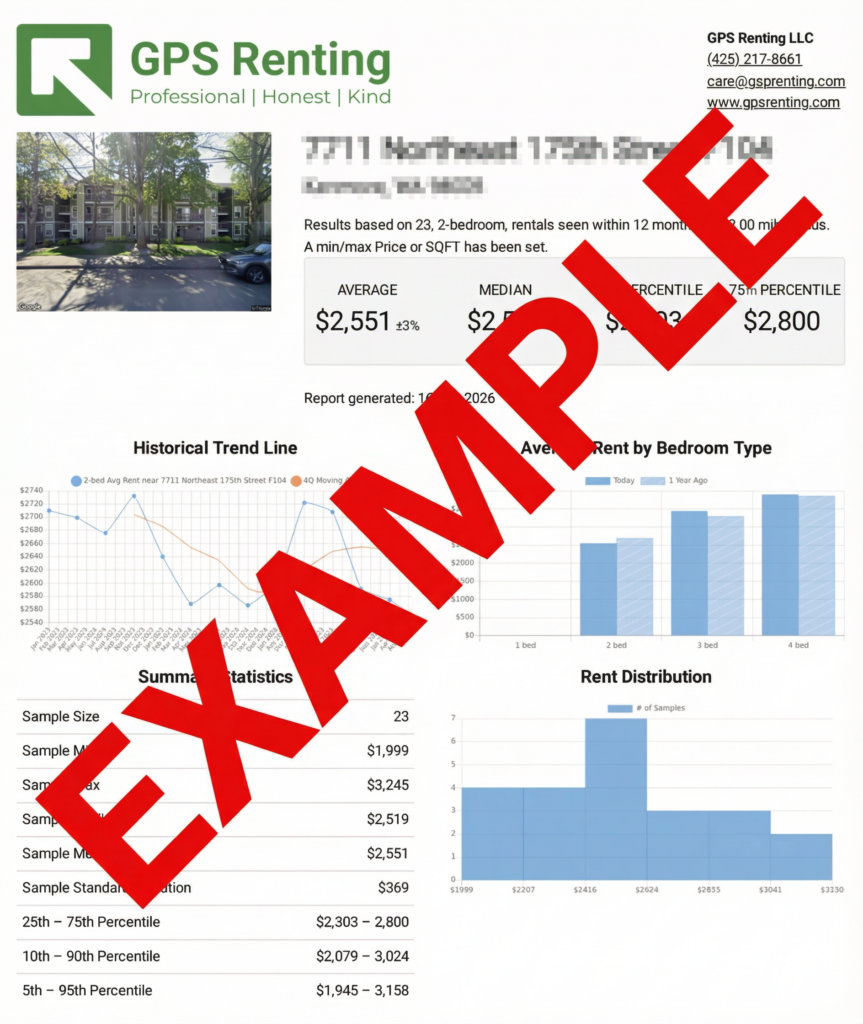
Use our True Cost Calculator to understand your property’s value and rental potential. Input your address and see:
- What your property is worth today
- What you’d net if you sold
- What you’d earn if you kept it as a rental
- How your neighborhood compares
FAQs
- What is a difficult tenant?
A difficult tenant is someone who repeatedly violates the lease, refuses to communicate, causes damage, or disrupts others. - How should Seattle landlords handle difficult tenants?
Stay calm, document everything, communicate clearly, and follow the lease and local laws. - Can I evict a difficult tenant in Seattle?
Only if there is a legal reason, such as nonpayment or repeated violations, and you follow the proper process. - What should I do if a tenant keeps paying rent late?
Review the pattern, communicate in writing, and take the next legal step if the issue continues. - How do I handle repeated lease violations?
Address them early, explain the problem clearly, document it, and escalate only if needed. - What is the best way to communicate with a difficult tenant?
Use clear, respectful, written communication and avoid emotional language. - What should landlords document during a dispute?
Keep records of payments, messages, notices, violations, photos, and agreements. - What if the tenant stops responding?
Keep documenting your attempts and move to formal written notices when appropriate. - When should I hire a property manager or attorney?
When the issue becomes legally risky, stressful, or hard to manage consistently. - How can landlords prevent difficult tenant problems?
Use strong screening, clear lease terms, respectful communication, and consistent follow through.