

Selling a home in Seattle during a strong market is relatively straightforward. Buyers compete, homes move quickly, and pricing mistakes are often forgiven.
A down market is different.
When buyer demand slows, interest rates stay elevated, inventory rises, or economic uncertainty grows, many Seattle homeowners find themselves competing harder for fewer qualified buyers. Homes sit longer, price reductions become more common, and sellers who use outdated strategies often lose time and money.
But a slower market does not mean homes stop selling.
In fact, well-prepared homes with the right pricing, presentation, and strategy can still perform extremely well, even when the overall market softens.
This guide explains how Seattle homeowners can successfully sell during a real estate downturn, avoid common mistakes, and position their property to stand out in a more competitive environment.
Getting locked out of a rental property can happen faster than most people expect. A dead keypad battery, a forgotten code, a lost key card, or a misplaced key can quickly turn into a stressful situation, especially late at night or during bad weather.
For Seattle renters, understanding what to do during a lockout matters. It can help protect your safety, avoid unnecessary damage to the property, and prevent costly mistakes that may violate your lease agreement.
This guide explains common lockout situations, what tenants should do first, when landlords are responsible, and how Seattle renters can handle lockouts properly while staying compliant with Washington rental laws.
Need Help Managing Rental Access Issues?
Learn how better systems, communication, and property management can reduce lockouts and resident frustration.
Why Seattle Real Estate Markets Slow Down
Seattle’s housing market is heavily influenced by several factors:
- Mortgage interest rates
- Tech industry hiring and layoffs
- Inventory levels
- Affordability pressures
- Buyer confidence
- Seasonal demand shifts
- Economic uncertainty
When rates rise or buyers become cautious, the market usually shifts in several ways.
Mortgage affordability and financing costs also play a major role in how quickly buyer demand changes. As monthly payments increase, many buyers reduce their budgets, delay purchasing decisions, or become far more selective about condition, location, and overall value.
According to data from the Seattle housing market and broader national trends, affordability remains one of the biggest challenges for buyers in 2026.
Based on recent housing market reports and mortgage rate trends, elevated financing costs continue affecting buyer behavior across Seattle and many surrounding areas.
Sources:
- Freddie Mac Mortgage Rate Trends
- Federal Reserve Economic Data (FRED)
- Redfin Seattle Housing Market Trends
- Zillow Seattle Home Values
- Seattle Housing Market Data and Trends
Market slowdowns typically create several noticeable shifts:
- Homes stay listed longer
- Buyers negotiate more aggressively
- Contingencies return
- Price reductions increase
- Luxury and higher-priced homes slow first
- Buyers become more selective
Read more: Seattle Rental Market May 2026
The important thing to understand is this:
A down market does not eliminate demand.
It simply changes buyer behavior.
The Biggest Mistake Seattle Sellers Make in a Down Market
The most common mistake is pricing based on the past instead of the current market.
Many sellers still anchor their expectations to:
- Peak pandemic pricing
- A neighbor’s sale from last year
- Unrealistic online estimates
- What they “need” financially
Unfortunately, buyers do not care what a seller needs.
They compare:
- Current inventory
- Current rates
- Current payment affordability
- Current alternatives
If your home is overpriced in a slower market, buyers often assume:
- Something is wrong with the property
- The seller is unrealistic
- Future price cuts are coming
This creates a dangerous cycle where the home becomes stale.
In Seattle, the first 7–14 days on market are often the most important window for attracting serious buyer attention.
Understand Today’s Seattle Buyer Psychology
Today’s buyers are far more cautious than they were during aggressive seller-market years.
Many buyers are now:
- Comparing multiple properties carefully
- Calculating monthly payments closely
- Negotiating inspections and repairs
- Waiting for price reductions
- Prioritizing move-in-ready homes
This means sellers must reduce buyer hesitation wherever possible.
In a down market, buyers pay premiums for homes that feel:
- Clean
- Well maintained
- Updated
- Move-in ready
- Properly priced
- Professionally marketed
Meanwhile, homes with deferred maintenance or poor presentation tend to sit much longer.
Looking to Simplify Your Seattle Rental Management?
See how professional property management can help protect your property and improve the resident experience.
Price Your Seattle Home Strategically
Pricing is no longer about maximizing excitement.
It is about maximizing competition.
One of the most effective strategies in a slower market is pricing slightly ahead of competing inventory rather than above it.
For example:
If similar homes are listed between $925,000 and $975,000 but sitting unsold, pricing at $899,000 or $915,000 may create significantly more traffic and urgency.
This does not always mean you will sell for less.
Sometimes strategic pricing creates:
- More showings
- More offers
- Stronger negotiation leverage
- Faster timelines
Overpricing usually creates the opposite effect.
Watch Active Listings More Than Closed Sales
In a declining or softening market, closed sales may already be outdated.
Instead, pay close attention to:
- Active listings
- Homes with recent price reductions
- Days on market
- Failed listings that expired
- Seller concessions being offered
These are stronger indicators of current buyer demand.
Modern Rental Systems Require Better Management
From smart locks to resident communication, see how organized management helps prevent common rental issues.
Invest in Presentation Before Listing
Seattle buyers are highly visual and increasingly online-driven.
Your listing photos, staging, and overall presentation can dramatically affect buyer behavior.
In slower markets, presentation matters even more because buyers have more options.
Prioritize These Improvements
Deep Cleaning
A professionally cleaned home immediately feels more valuable and better maintained.
Lighting
Seattle’s gray weather can make interiors feel darker than they actually are. Bright spaces photograph and show significantly better.
Paint
Fresh neutral paint remains one of the highest ROI improvements before selling.
Landscaping
Curb appeal matters heavily in Seattle neighborhoods where buyers often compare homes quickly online.
Decluttering
Buyers want to imagine themselves living in the space.
Too much furniture or clutter creates distraction.
Small Repairs
Loose handles, damaged trim, squeaky doors, and neglected maintenance can make buyers worry about larger hidden problems.
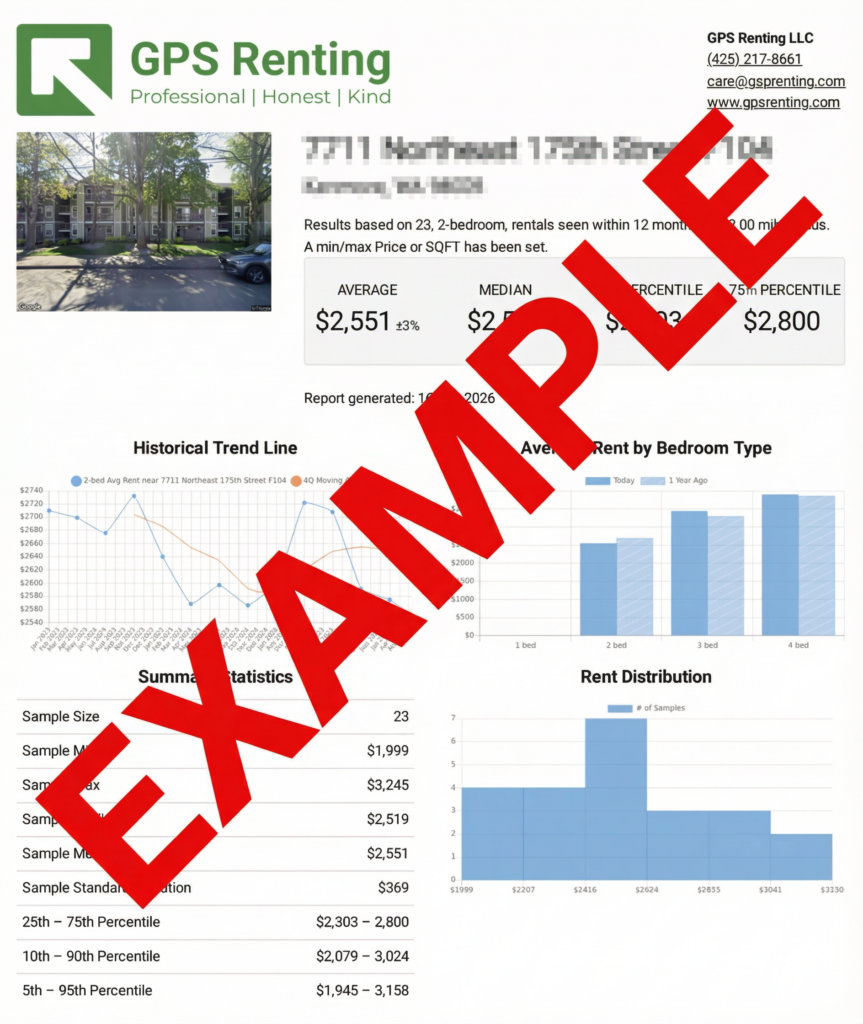
Ready to Price Your Rental Correctly?
Calculate Your Rental Potential
Use our True Cost Calculator to understand your property’s value and rental potential. Input your address and see:
- What your property is worth today
- What you’d net if you sold
- What you’d earn if you kept it as a rental
- How your neighborhood compares
Professional Photography Is No Longer Optional
One of the fastest ways to hurt a listing is poor photography.
In today’s market, buyers often decide whether to visit a property within seconds of viewing photos online.
Professional photography should include:
- Bright, wide-angle interior photos
- Exterior twilight photos when appropriate
- Proper editing and color balance
- Neighborhood lifestyle highlights
- Floor plans when possible
- 3D virtual tours or interactive walkthroughs
3D virtual tours can be especially valuable in Seattle because many buyers relocate from other states or prefer narrowing down homes online before scheduling in-person tours. Interactive walkthroughs can increase engagement and help listings stand out in a slower market.
Homes with weak photography often receive:
- Fewer clicks
- Fewer tours
- Longer days on market
- Lower offers
Need Help Navigating This Market?
Schedule a Consultation
Market shifts can make pricing, leasing, and tenant placement more complex than expected.
If you’d rather focus on your investment while professionals handle pricing strategy, marketing, and tenant screening, we’re here to help.

Haobang Lu
Business Development Manager
Timing Still Matters in Seattle
Even during slower years, Seattle real estate remains seasonal.
Stronger Selling Periods
- March through June
- Early September
Slower Periods
- Late November through January
- Major holiday periods
However, sellers should not always wait for a “perfect” market.
Sometimes delaying creates additional carrying costs such as:
- Mortgage payments
- Insurance
- Property taxes
- Utilities
- HOA dues
- Maintenance
Homeowners evaluating whether to wait, rent, or sell should also compare current rental demand and market conditions before making a final decision.
Read more: Should You Sell Your Seattle Rental Property?
The right timing depends on:
- Inventory competition
- Your property type
- Neighborhood demand
- Your financial goals
Make Your Home Feel Move-In Ready
Seattle buyers have become increasingly sensitive to repair costs.
With labor and construction prices remaining elevated, many buyers avoid homes requiring major work.
If possible, address issues before listing:
- Roof concerns
- Water intrusion problems
- HVAC issues
- Electrical concerns
- Plumbing leaks
- Damaged flooring
Pre-inspections can sometimes help sellers identify issues early and reduce surprises during negotiations.
Be Flexible During Negotiations
Down markets require flexibility.
Sellers who refuse reasonable requests often lose qualified buyers.
Common buyer requests in slower markets include:
- Closing cost credits
- Interest rate buydowns
- Repair credits
- Flexible closing timelines
- Inspection contingencies
The goal is not to “win” every negotiation point.
In many cases, understanding the real financial impact of delays, concessions, and extended vacancies can help sellers make smarter decisions during negotiations.
Read more: The True Cost of Selling a Home in Seattle
The goal is to successfully close the sale while protecting your overall net proceeds.
Sometimes a small concession prevents months of additional holding costs.
Understand the Cost of Waiting Too Long
Some sellers believe waiting indefinitely is safer than adjusting price.
Unfortunately, stale listings often perform worse over time.
Buyers notice:
- Long market exposure
- Repeated price drops
- Relisted properties
This can weaken negotiating power significantly.
A properly priced home that sells quickly often nets more than a home that sits for months while chasing unrealistic pricing.
Vet Buyer Financing Carefully
In slower Seattle markets, not all offers are equal.
Sellers should carefully evaluate:
- Down payment size
- Loan type
- Financing contingencies
- Lender reputation
- Overall buyer financial strength
A higher offer is not always the strongest offer if financing risks are significant.
Experienced listing agents often communicate directly with lenders to verify pre-approval strength and reduce the risk of failed closings or underwriting surprises.
In softer markets, failed financing can mean losing valuable momentum and returning to the market after weeks under contract.
Consider Buyer Incentives
In slower markets, incentives can increase buyer activity without requiring dramatic price cuts.
Examples include:
- Rate buydown credits
- Appliance packages
- Home warranty coverage
- Repair allowances
- Flexible possession dates
Sometimes these incentives feel psychologically easier for buyers than negotiating a lower price.
Focus on What Makes Your Seattle Property Unique
Seattle neighborhoods vary dramatically.
Buyers often prioritize:
- Walkability
- School districts
- Light rail access
- Tech commute convenience
- Views
- ADU potential
- Home office space
- Outdoor areas
- Rental income potential
Strong marketing should emphasize neighborhood-specific value.
For example:
- Green Lake lifestyle access
- Ballard walkability
- Bellevue tech commute convenience
- West Seattle views
- North Seattle family neighborhoods
Generic listing descriptions usually underperform.
Marketing Matters More in a Down Market
When the market slows, simply putting a home on the MLS is not enough.
Effective marketing should include:
- MLS exposure
- Zillow and Redfin visibility
- Social media promotion
- Email campaigns
- Agent outreach
- Open houses when appropriate
- Strategic pricing updates
The goal is maximizing qualified buyer exposure quickly.
Should You Sell or Rent Instead?
Some Seattle homeowners may benefit more from converting the property into a rental rather than selling during a down market.
This depends on:
- Current equity position
- Mortgage rate
- Rental demand
- Cash flow potential
- Long-term investment goals
Seattle and surrounding areas still maintain relatively strong long-term rental demand due to ongoing housing supply constraints and continued population demand across the Greater Seattle area.
Sources:
For homeowners considering converting a property into a rental instead of selling immediately, understanding property management responsibilities, vacancy trends, and tenant turnover risks is critical.
Read more: Complete Guide to Property Management in Seattle 2026
Factors still supporting Seattle’s long-term rental market include:
- Limited housing supply
- Ongoing population demand
- Tech employment concentration
- Long-term rental market resilience in many Seattle neighborhoods
- High replacement costs
Before selling, it may be worth comparing:
- Estimated sale proceeds
- Rental income potential
- Tax implications
- Future appreciation potential
- Carrying costs
Owners holding rental properties should also evaluate tenant retention strategies and seasonal turnover patterns, especially if they plan to keep the property long term.
Read more: Spring Tenant Turnover Guide for Seattle Landlords
Alternative Selling Strategies
Some Seattle homeowners facing tight timelines may also consider alternative selling approaches.
These may include:
- Selling to local cash buyers
- Accepting as-is investor offers
- Lease-option agreements
- Temporarily converting the home into a rental
These strategies may not always maximize sale price, but they can sometimes provide:
- Faster closings
- Greater certainty
- Reduced repair obligations
- Lower carrying costs
Some homeowners also compare long-term investing performance between real estate and alternative assets before deciding whether to sell during a down market.
Read more: Stocks vs Real Estate Investment in 2026
For sellers dealing with relocation, financial pressure, inherited property, or major repairs, alternative strategies may be worth evaluating before committing to a traditional listing approach.
What Sellers Should Avoid in a Seattle Down Market
Chasing the Market Down
Repeated small price reductions usually signal weakness.
Strategic pricing from the beginning is often more effective.
Ignoring Deferred Maintenance
Buyers today notice condition issues quickly.
Deferred maintenance can dramatically reduce buyer confidence.
Using Weak Listing Photos
Online presentation strongly affects traffic and showing activity.
Overpersonalizing the Home
Neutral presentation helps buyers emotionally connect to the property.
Refusing Feedback
If multiple buyers give similar feedback, pay attention.
The market is usually telling you something important.
Seattle Sellers Need Realistic Expectations
The market conditions of 2020–2022 were unusual.
Many homeowners became accustomed to:
- Multiple offers within days
- Waived contingencies
- Rapid appreciation
- Minimal preparation
Today’s environment requires a more disciplined approach.
That does not mean Seattle real estate is collapsing.
It means sellers must compete again.
The homeowners who adapt to current conditions are usually the ones who sell successfully.
Final Thoughts
Selling in a Seattle real estate down market requires strategy, flexibility, and realistic expectations.
National Association of Realtors research continues to show that pricing strategy, home condition, staging, and early buyer engagement remain some of the biggest factors influencing successful home sales in changing market conditions.
Sources:
The homes that succeed today are typically:
- Properly priced
- Professionally presented
- Well marketed
- Move-in ready
- Aligned with current buyer expectations
A slower market can absolutely feel frustrating.
But sellers who understand buyer psychology, respond to market conditions early, and avoid emotional pricing decisions are still achieving successful sales across the Greater Seattle area.
If you are unsure whether selling, renting, or holding makes the most financial sense, comparing your real options before listing can help you avoid costly mistakes.
FAQs
Is it a bad time to sell a home in Seattle?
Not necessarily. Homes that are priced correctly, professionally presented, and aligned with buyer expectations can still sell successfully even during slower market conditions.
Should I lower my price immediately if my Seattle home is not selling?
Not always. First evaluate feedback, showing activity, competition, and online presentation. However, if traffic is low and similar homes are selling, pricing may need adjustment.
What home improvements matter most before selling?
Cleaning, paint, lighting, landscaping, decluttering, and addressing visible maintenance issues typically provide the strongest return before listing.
Is staging worth it in a slower market?
Often yes. Staging can help buyers emotionally connect with the space and make online listing photos significantly more effective.
Should I rent my Seattle home instead of selling?
That depends on your equity, cash flow potential, long-term goals, and financing situation. In some cases, holding the property as a rental may outperform selling during a softer market.

Written by Nick He, Founder of GPS Renting
Nick He founded GPS Renting with the mission of providing professional, honest, and kind property management throughout the Greater Seattle area. Through years of working directly with Seattle landlords and residents, Nick has developed extensive experience handling lease compliance issues, tenant communication challenges, property operations, and Washington landlord-tenant regulations. His landlord and tenant guides are designed to help rental property owners navigate complex situations with practical strategies, clear documentation practices, and real-world operational insight tailored to Seattle’s evolving rental market.