Tenant turnover is one of the biggest hidden costs in rental property ownership. Even a short vacancy can lead to lost rent, cleaning costs, maintenance expenses, marketing time, leasing delays, and additional screening risk.
When tenants move out, many landlords immediately assume they need to lower rent to stay competitive. But in Seattle’s evolving rental market, reducing rent is not always the smartest long-term strategy.
In many cases, tenants leave because of the overall rental experience, not just price. Slow maintenance, unclear communication, poor renewal handling, and lack of responsiveness often create more turnover than market rent itself.
At GPS Renting, we have seen that tenants are far more likely to renew when landlords focus on consistency, professionalism, maintenance responsiveness, and value-added living experiences instead of relying on discounts alone.
Want to Reduce Tenant Turnover and Protect Rental Income?
See how your pricing, renewals, and tenant experience compare in today’s Seattle rental market.
Why Tenant Turnover Costs More Than Most Seattle Landlords Expect
Turnover costs go far beyond vacancy days. Every move-out creates operational and financial pressure:
- Lost rental income
- Cleaning and repair costs
- Utility gaps
- Marketing expenses
- Leasing coordination
- Screening risk for replacement tenants
- Increased wear during turnover
According to the U.S. Department of Housing and Urban Development (HUD), stable housing relationships and responsive property management significantly improve resident satisfaction and housing stability.
Source: https://www.hud.gov/
For Seattle landlords, turnover can become even more expensive during slower leasing periods or seasonal market shifts.
Learn more: Spring Tenant Turnover Guide for Seattle Landlords
1. Respond to Maintenance Requests Quickly
Maintenance responsiveness is one of the strongest drivers of tenant retention.
Many tenants do not expect perfection. What they do expect is communication, follow-through, and professionalism when issues arise.
If maintenance problems repeatedly go unresolved, residents may begin looking for alternatives even if the rent is fair.
Proactive landlords reduce turnover by:
- Responding quickly to requests
- Providing status updates
- Performing preventive maintenance
- Following up after repairs
- Maintaining clean and functional living conditions
Routine maintenance also protects the property itself. The Washington State Residential Landlord Tenant Act outlines landlord obligations regarding habitability and repairs.
Source: https://app.leg.wa.gov/rcw/default.aspx?cite=59.18
At GPS Renting, maintenance coordination is treated as a retention strategy, not just an operational task.
Learn more: Expert Maintenance Services for Seattle Rentals
Learn More Seattle Landlord Strategies and Rental Insights
Explore practical landlord guides, rental market updates, tenant retention strategies, and Seattle property management insights.
2. Offer Resident Benefits Instead of Lowering Rent
One of the most effective retention strategies is increasing perceived value without reducing monthly income.
Small resident benefits often create stronger long-term satisfaction than simple rent discounts.
Examples include:
- Free HVAC filter delivery
- Online payment systems
- 24/7 maintenance hotline
- Smart home upgrades
- Secure package delivery areas
- Reserved parking
- High-speed internet options
- Flexible electronic payment methods
These improvements help tenants feel supported while helping landlords maintain market rent levels.
This approach is especially important in Seattle, where tenants increasingly compare convenience, responsiveness, and living experience when deciding whether to renew.
3. Start the Renewal Process Early
One of the biggest mistakes landlords make is waiting too long to discuss renewals.
If tenants are unsure about renewal plans, they may begin searching for other rentals before the landlord even starts the conversation.
Professional property managers often begin renewal communication approximately 90 days before lease expiration. This creates time to:
- Address concerns
- Discuss rent adjustments
- Schedule upgrades
- Review market conditions
- Reduce uncertainty
Seattle landlords also need to remain compliant with Washington notice requirements related to lease renewals and rent increases.
Learn more: Lease Renewal Compliance Seattle
You can also review Washington State landlord tenant laws directly here:
https://www.atg.wa.gov/residential-landlord-tenant-resources
Tenant Turnover Can Cost More Than You Think
See if your rental strategy is helping keep quality tenants longer.
4. Use Renewal Incentives Strategically
Retention incentives do not always need to involve lower rent.
In many cases, small upgrades or convenience-focused incentives create stronger results.
Examples include:
- Free carpet cleaning
- Professional deep cleaning
- Smart thermostat installation
- New light fixtures
- Minor paint touch-ups
- Gift cards
- Reserved parking upgrades
These incentives improve tenant satisfaction while protecting long-term rental income.
The goal is to increase the tenant’s sense of value rather than simply reducing price.
Learn more: Rent Concessions Seattle and Long Term Rent Growth
5. Build Strong Landlord Tenant Relationships
Many tenants stay because they trust the management experience.
Professional communication, respect, transparency, and responsiveness all contribute to retention.
Tenants are more likely to renew when they feel:
- Heard
- Respected
- Informed
- Supported during maintenance issues
- Comfortable asking questions
A landlord who only communicates during rent collection or lease enforcement often creates a transactional relationship instead of a long-term one.
At GPS Renting, we believe communication systems are one of the biggest factors separating high-turnover rentals from stable long-term properties.
Learn more: Property Manager Communication and Transparency
Are You Losing Good Tenants Without Realizing It?
See if your pricing and renewal strategy are helping retain quality tenants.
6. Keep the Property Competitive Without Over Renovating
Seattle renters expect properties to feel functional, clean, safe, and updated.
That does not mean every property needs luxury renovations.
Simple upgrades can dramatically improve retention:
- Updated fixtures
- Modern lighting
- Secure locks
- Fresh paint
- Better storage
- Clean landscaping
- Smart thermostats
- Updated appliances
Many tenants are willing to stay at market rent if the property feels professionally maintained.
The key is balancing cost-effective upgrades with long-term ROI.
Learn more: Maximize Rental Property ROI With Smart Upgrades
7. Create Community in Multi Unit Properties
Community building can significantly reduce turnover in apartment and multi-unit environments.
Tenants are more likely to renew when they feel connected to the property and neighborhood.
Examples include:
- Seasonal resident events
- Shared outdoor improvements
- Community newsletters
- Resident social groups
- Co-working or shared workspace areas
This strategy has become increasingly valuable as remote work continues to influence renter expectations across Seattle and the Eastside.
Ready to Price Your Rental Correctly?
Calculate Your Rental Potential
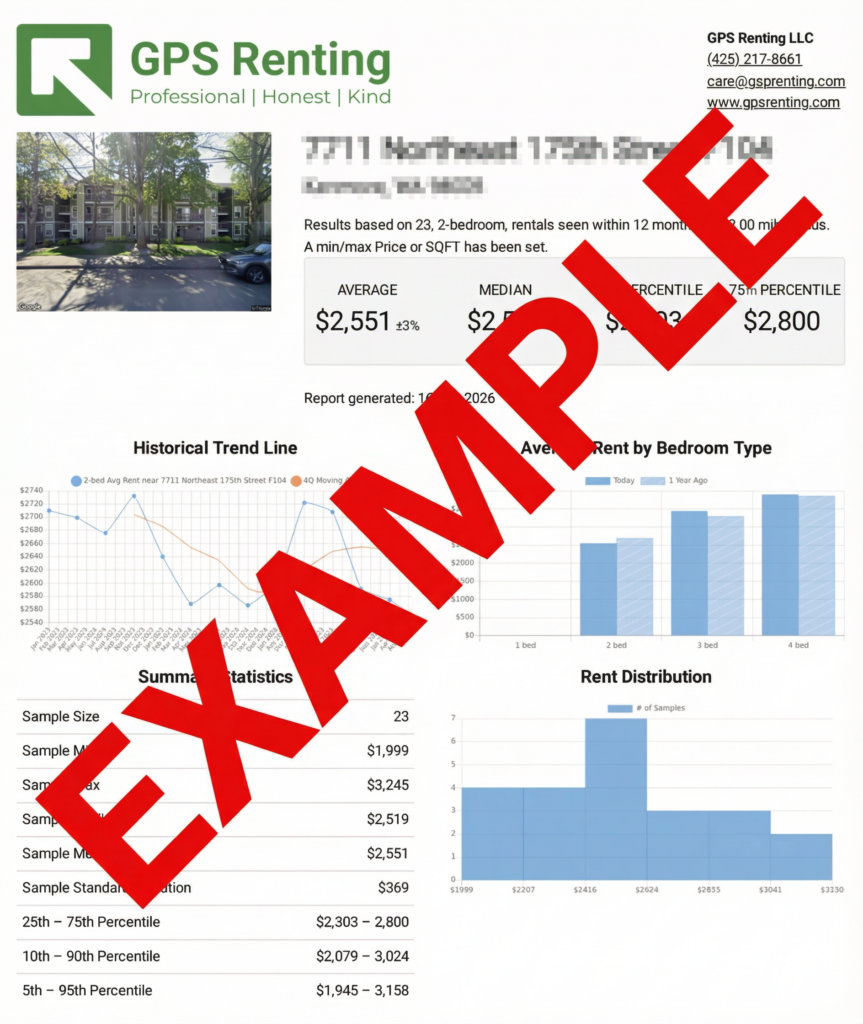
Use our True Cost Calculator to understand your property’s value and rental potential. Input your address and see:
- What your property is worth today
- What you’d net if you sold
- What you’d earn if you kept it as a rental
- How your neighborhood compares
8. Keep Rent Increases Fair and Well Explained
Not every rent increase causes turnover.
Problems usually happen when increases feel sudden, unsupported, or disconnected from property value.
Landlords should:
- Review comparable market data
- Explain improvements clearly
- Communicate professionally
- Avoid aggressive increases during softer markets
Seattle’s rental market has become increasingly price sensitive in certain property categories, especially when renters have more inventory choices.
Learn more: How to Accurately Price Your Rental in Today’s Market
You can also monitor Seattle housing and rental trends through:
https://www.seattle.gov/housing
Need Help Navigating This Market?
Schedule a Consultation
If you’d rather focus on your investment while professionals handle tenant communication, renewals, maintenance coordination, and retention strategies, we’re here to help.
Haobang Lu
Business Development Manager
9. Make Renewals Easy
Complicated renewal processes create unnecessary friction.
A streamlined renewal system should include:
- Clear digital documents
- Early communication
- Simple signing process
- Clear pricing breakdowns
- Quick response times
The easier the process feels, the more likely tenants are to renew without hesitation.
Learn more: Understanding the Lease Renewal Process
10. Professional Property Management Reduces Turnover Risk
Tenant retention is not based on one single tactic. It comes from systems working together consistently.
Professional management helps reduce turnover through:
- Faster maintenance coordination
- Organized renewals
- Consistent communication
- Preventive inspections
- Vendor management
- Market-based pricing strategies
- Compliance-focused operations
At GPS Renting, our goal is not just to fill vacancies quickly. It is to reduce unnecessary turnover before vacancies happen.
Learn more: How GPS Renting Cuts Turnover Time and Prevents Lost Rent
Final Thoughts
Reducing tenant turnover does not always require lowering rent. In many cases, tenants stay because the property is professionally managed, communication is clear, maintenance is responsive, and the overall living experience feels stable and valuable.
Seattle landlords who focus on resident experience instead of short-term discounts are often better positioned to protect long-term rental income and reduce vacancy costs.
At GPS Renting, we help landlords reduce turnover through proactive management systems, maintenance coordination, strategic renewals, and market-based pricing strategies designed for long-term stability.
FAQs
How can landlords reduce tenant turnover without lowering rent?
Landlords can reduce tenant turnover by improving maintenance responsiveness, communicating clearly, offering renewal incentives, simplifying renewals, and improving the tenant experience through value-added services rather than rent discounts.
What are good lease renewal incentives for tenants?
Examples include carpet cleaning, gift cards, smart thermostat upgrades, reserved parking, flexible payment systems, or minor unit improvements that improve convenience and comfort.
Does maintenance affect tenant retention?
Yes. Slow or poor maintenance response is one of the most common reasons tenants decide not to renew. Fast and professional maintenance communication significantly improves tenant satisfaction.
Should landlords lower rent to keep good tenants?
Not always. In many cases, improving service quality, communication, and property condition provides better long-term financial results than reducing rent unnecessarily.
When should landlords start lease renewal discussions?
Most professional property managers recommend starting renewal discussions around 90 days before lease expiration to reduce uncertainty and address tenant concerns early.

Written by Nick He, Founder of GPS Renting
Nick He founded GPS Renting with the mission of providing professional, honest, and kind property management throughout the Greater Seattle area. Through years of working directly with Seattle landlords and residents, Nick has developed extensive experience handling lease compliance issues, tenant communication challenges, property operations, and Washington landlord-tenant regulations. His landlord and tenant guides are designed to help rental property owners navigate complex situations with practical strategies, clear documentation practices, and real-world operational insight tailored to Seattle’s evolving rental market.