

Your tenant just gave notice. They’re moving out May 1st.
You have 30 days to prepare the unit, market it, screen tenants, and fill the vacancy.
If you do it right, you’ll fill it by May 15th and lose minimal income.
If you do it wrong, your unit could sit empty for 60+ days. And every day it sits empty costs you money.
Let me walk you through exactly how to handle spring tenant turnover—so you fill your vacancy fast and don’t leave money on the table.
The Cost of Vacancy: Why Speed Matters
First, let’s talk about what vacancy actually costs you.
Let’s say you have a 2-bedroom rental in Bothell worth $3,200/month.
If your vacancy takes 28 days (average):
- Lost income: $3,200
- Cleaning and repairs: $500
- Total cost: $3,700
If your vacancy takes 45 days (slow):
- Lost income: $4,800
- Cleaning and repairs: $800
- Total cost: $5,600
If your vacancy takes 60 days (very slow):
- Lost income: $6,400
- Cleaning and repairs: $1,200
- Total cost: $7,600
The difference between 28 days and 60 days? $3,900 in lost income and costs.
That’s why speed matters. Every day your unit sits empty costs you money. According to Zillow rental market data, extended days on market significantly increase landlord losses due to missed rental income (https://www.zillow.com/rental-manager/market-trends/).
Want to Avoid Losing Rent During Turnover?
See how much vacancy time could cost and compare your options before listing your property.
The Spring Turnover Timeline: 30 Days to Filled
Here’s the timeline you need to follow to fill your vacancy in 30 days or less:
Day 1-2: Prepare the Unit
- Schedule move-out inspection with tenant
- Plan any repairs or cleaning needed
- Get quotes from contractors if major work needed
- Order supplies for cleaning and repairs
Day 3-5: Deep Clean and Repairs
- Deep clean the entire unit
- Make any necessary repairs (paint, flooring, fixtures)
- Replace broken appliances or fixtures
- Fix any damage from previous tenant
- Professional carpet cleaning if needed
Day 6: Final Inspection and Photos
- Walk through and inspect every room
- Take high-quality photos of every space
- Make a punch list of any final touch-ups
- Complete any final repairs
Day 7: List the Property
- Create compelling listing description
- Upload photos and video (if possible)
- List on Zillow, Apartments.com, Craigslist, Facebook
- Set the price at market rate (see Article 1 for pricing data)
- Promote on social media
Day 8-20: Show and Screen
- Schedule showings (aim for 5-10 per week)
- Collect applications from interested tenants
- Run background checks and credit checks
- Contact references
- Verify employment and income
Day 21-25: Select and Lease
- Choose your top candidate
- Prepare lease agreement
- Collect first month’s rent and security deposit
- Have tenant sign lease
- Set move-in date (typically May 1st or 15th)
Day 26-30: Prepare for Move-In
- Confirm move-in date and time
- Provide tenant with move-in instructions
- Prepare keys and access codes
- Do final walkthrough before move-in
- Collect move-in inspection from tenant
Result: Filled in 30 days. Minimal vacancy loss.
Want to Fill Your Vacancy Faster?
Strong pricing and positioning can reduce vacancy days and protect your rental income.
Step 1: Prepare Your Unit for Success
The first step is critical. Your unit’s condition determines how quickly it fills and what price you can charge.
What to Fix Before Listing:
- Paint: Fresh paint is the cheapest upgrade. Neutral colors (white, beige, light gray) appeal to most tenants. Budget: $500-$1,000
- Flooring: Clean or replace. Dirty carpet is a dealbreaker. Budget: $1,000-$3,000
- Appliances: Clean or replace. Broken appliances are a red flag. Budget: $500-$2,000
- Fixtures: Replace broken light fixtures, faucets, door handles. Budget: $200-$500
- Walls: Patch holes, clean marks, remove previous tenant’s decorations. Budget: $100-$300
- Bathrooms: Clean grout, replace caulk, fix leaky faucets. Budget: $200-$500
- Kitchen: Clean cabinets, counters, appliances. Replace damaged cabinet doors. Budget: $300-$1,000
Total Budget for Typical Turnover: $2,800-$8,300
This is an investment. But it pays off because:
- You can charge higher rent
- You fill faster
- You attract quality tenants
- You reduce future maintenance issues
Pro Tip: Don’t over-invest. You don’t need to renovate the entire unit. You just need it to be clean, functional, and attractive. Most tenants care about cleanliness and working appliances more than luxury finishes.
Step 2: Price Your Vacancy Correctly
This is where most landlords make mistakes. They either overprice (and it sits empty) or underprice (and leave money on the table).
How to Price Your Rental:
1.Research comparable rents in your neighborhood (use Zillow, Apartments.com, Craigslist)
Based on Redfin housing market data, pricing above market rent significantly increases days on market (https://www.redfin.com/news/housing-market-update/).
Learn more: https://gpsrenting.com/how-to-accurately-price-your-rental-in-todays-market/
2.Adjust for your property’s condition (newer = higher, older = lower)
3.Adjust for amenities (parking, laundry, outdoor space)
4.Adjust for location (proximity to transit, schools, jobs)
5.Price at market rate, not above or below
Example: Bothell 2-Bedroom
- Market rate: $3,200/month
- Your property is well-maintained: $3,200
- Your property has premium amenities (parking, laundry): $3,300
- Your property is older but clean: $3,100
The 5% Rule: Don’t price more than 5% above market rate. If you do, your vacancy will take 50%+ longer to fill. It’s not worth it.
The 10% Rule: Don’t price more than 10% below market rate. If you do, you’re leaving money on the table. Over a 12-month lease, a $300/month underpricing costs you $3,600.
Step 3: Market Your Vacancy Effectively
You can have the best unit in the neighborhood, but if no one knows about it, it won’t fill.
Where to List:
- Zillow (most popular, highest traffic)
- Apartments.com (second most popular)
- Craigslist (good for local traffic)
- Facebook Marketplace (growing platform)
- Your own website (if you have one)
- Local property management sites (if applicable)
Zillow Rental Manager reports listings with professional photos receive more inquiries and faster leasing (https://www.zillow.com/rental-manager/).
Learn more: https://gpsrenting.com/why-your-rental-isnt-getting-applications/
Step 4: Screen Tenants Carefully
This is the most important step. A bad tenant will cost you far more than a few extra days of vacancy.
According to the U.S. Department of Housing and Urban Development, landlords should verify income, credit, and rental history to reduce risk (https://www.hud.gov/program_offices/fair_housing_equal_opp/tenant_screening).
The Consumer Financial Protection Bureau also recommends reviewing credit and background information before approving tenants (https://www.consumerfinance.gov/consumer-tools/credit-reports-and-scores/).
Learn more: https://gpsrenting.com/how-gps-renting-screens-tenants-to-avoid-eviction/
Step 5: Close the Lease and Prepare for Move-In
Once you’ve selected your tenant:
1.Prepare the lease (use a standard lease template or attorney-reviewed lease)
2.Collect first month’s rent and security deposit (before move-in)
3.Have tenant sign the lease (get signatures from all adult occupants)
4.Provide move-in instructions (parking, key pickup, utility setup)
5.Do a final walkthrough (make sure unit is ready)
6.Collect move-in inspection (document any existing damage)
Pro Tip: Use a move-in inspection form. Have the tenant document any existing damage. This protects you both and prevents disputes later.
Stay Informed About the Seattle Rental Market
Staying informed about the Seattle rental market allows property owners to make smarter, data-driven decisions. We share regular updates, local Seattle insights, and market analysis to help landlords navigate pricing trends, demand changes, and new regulations.
Common Mistakes to Avoid
Mistake 1: Underpricing to fill fast
- Costs you $3,600+ per year in lost income
- Attracts lower-quality tenants
- Not worth it
Mistake 2: Skipping the deep clean
- Tenants notice dirty units
- They’ll negotiate lower rent
- They’re more likely to cause damage
- Spend the $500-$1,000 on cleaning
Mistake 3: Poor tenant screening
- A bad tenant costs you $5,000-$10,000+
- Evictions are expensive and time-consuming
- Take your time to screen properly
Mistake 4: Not marketing effectively
- Your unit sits empty longer
- You lose income
- Spend $200-$500 on professional photos and listing
Mistake 5: Rushing the lease
- Missing important details
- Leaving yourself unprotected
- Use a proper lease agreement
The Bottom Line
Spring turnover doesn’t have to be stressful. Follow this timeline, avoid common mistakes, and you’ll fill your vacancy in 28-35 days—just like the market average.
The key is being proactive, not reactive. Prepare early, price right, market well, and screen carefully.
Do these five things, and you’ll fill your vacancy fast and profitably.
Ready to Fill Your Vacancy?
If you’d rather focus on other things while we handle the entire turnover process—tenant screening, lease preparation, move-in coordination—we’re here to help.
We fill vacancies in an average of 25 days. We screen tenants carefully. We handle all the details.
Calculate Your Rental Potential
Use our True Cost Calculator to understand your property’s value and rental potential. Input your address and see:
- What your property is worth today
- What you’d net if you sold
- What you’d earn if you kept it as a rental
- How your neighborhood compares
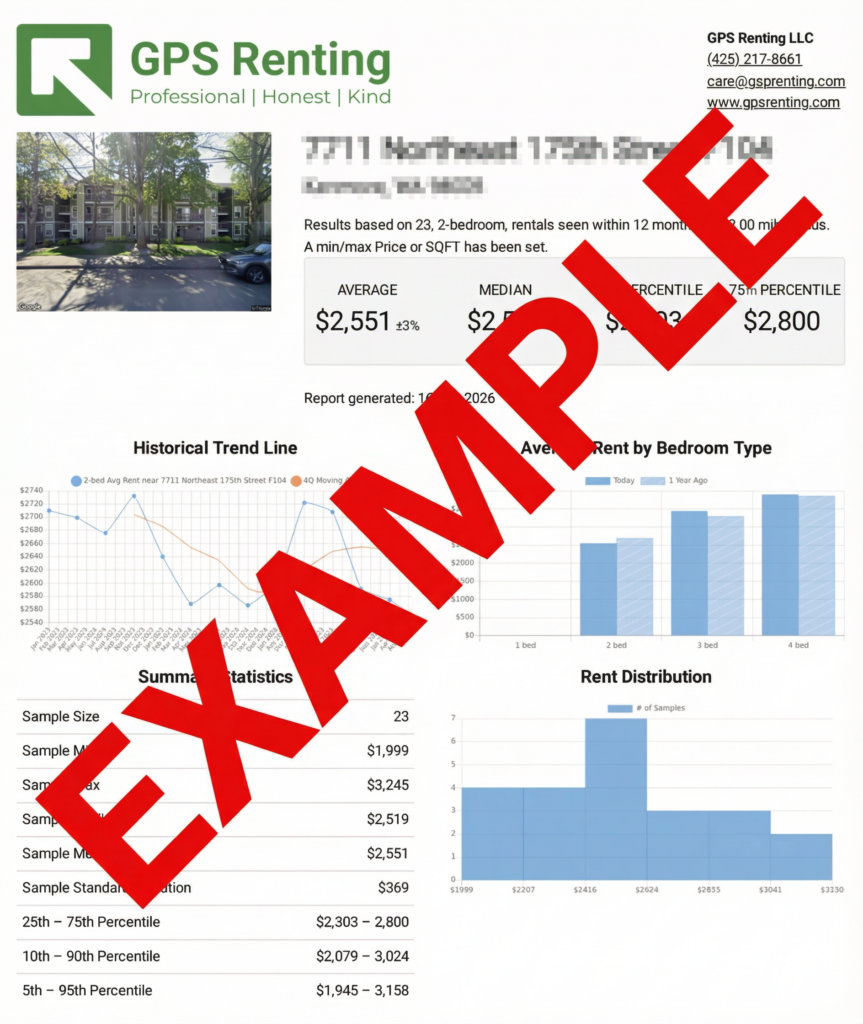
How GPS Renting Can Help Landlords
GPS Renting helps Seattle-area landlords navigate complex rental situations with a professional, owner-first approach. When winter eviction protection ends, owners often need more than general advice. They need organized systems, clear communication, and practical next steps.
GPS Renting can help landlords by maintaining accurate rent records, supporting compliant communication, coordinating next-step property operations, reducing avoidable delays, and helping owners understand when an issue should be escalated to legal counsel. Owners who want broader service support can also explore Residential Property Management Seattle, Professional Property Management Services in Seattle, and What Is the Benefit of Hiring a Property Manager?.
Need Help with Your Rental?
Whether it’s turnover, tenant management, or rent optimization, we can help.
Schedule a Consultation
Spring turnover can be stressful. If you’d rather focus on other things while we handle tenant screening, pricing, and lease management, we’re here to help.

Haobang Lu
Business Development Manager
FAQs
How long should tenant turnover take?
Most rental turnovers should take between 25 and 35 days when managed properly.
What is the biggest cost during vacancy?
Lost rental income is typically the largest expense during vacancy.
Should I lower rent to fill faster?
Not necessarily. Pricing below market reduces long-term income.
What platforms generate the most rental leads?
Zillow, Apartments.com, Craigslist, and Facebook Marketplace generate strong traffic.
How important is tenant screening?
Proper screening reduces risk of late payments, damage, and eviction.
What credit score should landlords require?
Many landlords look for a minimum credit score of 650 along with stable income.
When is the best time to list a rental?
Mid-week listings often perform well due to lower competition.
Should I hire a property manager for turnover?
Property managers can reduce vacancy time and handle marketing and screening.
How much does a 30-day vacancy cost?
Typically one month of rent plus turnover costs such as cleaning and repairs.