
For 3-bedroom Seattle rental houses, the best upgrades are not always the most expensive ones. High-quality tenants usually care about cleanliness, function, safety, storage, laundry, parking, pet readiness, and whether the home feels easy to live in. Before spending money on a major remodel, landlords should focus on upgrades that reduce friction, improve daily comfort, and help the property lease faster to stronger applicants.
Why This Matters for Seattle Landlords
Many Seattle landlords ask the same question before listing a rental home:
“Should I upgrade the property before renting it out?”
The answer depends on the home, the neighborhood, the target renter, and the current rental market.
For a 3-bedroom single-family rental house, this question becomes even more important. These homes often attract families, couples needing office space, roommate groups, remote workers, pet owners, and renters who want more privacy than an apartment can offer. That means the home is being judged differently than a studio, condo, or small apartment.
A renter looking at a 3-bedroom Seattle house is not only asking, “Is the rent fair?”
They are also asking:
Can I live here comfortably?
Is the bathroom functional for multiple people?
Is there enough storage?
Is the yard usable?
Is parking easy?
Is the home clean and safe?
Will maintenance be handled professionally?
Can I work from home here?
Can my pet live here?
Does this feel like a place I can stay for more than one lease term?
That is why smart upgrades can matter.
The wrong upgrades can waste money. The right upgrades can improve tenant quality, reduce vacancy risk, and protect the owner’s long-term return.
If you want to learn more about rental pricing before making improvements, read How to Accurately Price Your Rental in Today’s Market.
Not Sure Which Upgrades Your Rental Actually Needs?
Before spending money, find out what your 3-bedroom Seattle rental could earn and which improvements may help it compete.
What This Guide Is About
This guide focuses on practical upgrades for Seattle-area single-family rental homes with:
3 or more bedrooms
At least 1 bathroom
Long-term rental use
Family, roommate, or professional renter demand
Owner goals around stronger applications, lower vacancy, and better ROI
This is not a luxury renovation guide. It is not about flipping a home or turning every rental into a high-end remodel.
It is about choosing upgrades that help a Seattle rental house compete better in the market without overspending.
Where Are We in the Cycle? (The Real Estate Market in June 2026)
June 2025 (Stage 3: Peak/Euphoria)
- Homes selling in 18 days
- 35% selling above asking price
- Bidding wars everywhere
- Everyone saying “real estate always goes up”
June 2026 (Stage 4-5: Contraction/Panic)
- Homes taking 38 days to sell (+73%)
- Only 5% selling above asking price (-86%)
- 1,300 more homes on market (+62%)
- Everyone saying “the market’s collapsing”
The Shift:
- Inventory up 62%
- Days on market up 73%
- Price cuts up 175%
- Homes above ask down 86%
This is Stage 4-5. This is panic. This is the worst time to sell.
Upgrade Smarter, Not More
Get a personalized rental analysis to understand your property’s potential rent, current competition, and the improvements that may matter most to renters.
Owners Often Upgrade the Wrong Things
Many landlords spend money where it feels visible but not where it affects leasing performance.
For example, an owner may spend heavily on decorative finishes but ignore old flooring, weak lighting, poor locks, outdated appliances, or a yard that looks hard to maintain. Another owner may avoid all upgrades because they are afraid of cost, only to lose weeks of rent because the home does not show well.
That is the real problem.
The question is not, “Should I upgrade everything?”
The better question is, “Which upgrades will help this specific 3-bedroom Seattle rental attract better tenants and reduce avoidable vacancy?”
Seattle landlords also need to remember that rental homes must meet basic habitability, safety, and maintenance expectations. The City of Seattle’s Rental Registration and Inspection Ordinance is a useful reference for understanding the city’s rental housing standards.
“The Rental Registration and Inspection Ordinance helps ensure that all rental housing in Seattle is safe and meets basic housing maintenance requirements.”
— City of Seattle, Rental Registration and Inspection Ordinance
This matters because the best rental upgrades start with the basics: safety, habitability, function, and trust. Cosmetic upgrades only help after those fundamentals are handled.
What Makes a 3-Bedroom Seattle Rental House Different?
A 3-bedroom house usually has a wider renter pool than a smaller unit. That can be good for demand, but it also means more expectations.
A family may care about schools, storage, safety, yard usability, and long-term stability. A roommate group may care about bedroom sizes, parking, internet access, laundry, and bathroom function. A remote worker may care about quiet rooms, lighting, electrical outlets, and a comfortable workspace.
Because of this, landlords should avoid thinking only about rent price. Tenant quality often comes from the whole experience.
A clean, functional 3-bedroom house can attract renters who are more prepared, more serious, and more likely to care for the property. A poorly maintained home can attract more price-sensitive applicants, more negotiation, or fewer applications altogether.
If you want to learn more about why some rentals struggle to get traction, read Why Your Rental Isn’t Getting Applications.
Prepare Your Seattle Rental With Better Numbers
Before you renovate or list the property, learn how it compares with the current market and what could help reduce vacancy.
Best Upgrade #1: Durable Flooring
Flooring is one of the first things renters notice. It also affects maintenance costs after move-out.
For 3-bedroom houses, durable flooring is especially important because these homes often have more occupants, more furniture, more foot traffic, and sometimes pets. Old carpet can make a home feel dated, trap odors, and create cleaning issues between tenants.
Good options often include durable vinyl plank, refinished hardwood if the home already has it, or clean, neutral flooring that photographs well and holds up under normal use.
This upgrade works because it improves both presentation and operations. It can make the home show better online, feel cleaner during tours, and reduce turnover problems later.
When to do it:
Before listing, especially if the existing carpet is stained, worn, loose, or holding odor.
Who benefits most:
Owners with pets allowed, family-sized homes, roommate-friendly layouts, or older Seattle houses with heavily worn floors.
What to avoid:
Avoid overly trendy flooring that may look dated quickly. Also avoid cheap materials that scratch easily or fail under normal rental use.
If you want to learn more about renovation decisions, read Rental Renovation ROI in Seattle 2026.
Best Upgrade #2: Fresh Neutral Paint and Better Lighting
Paint and lighting are two of the most cost-effective ways to improve how a rental feels.
Many 3-bedroom Seattle homes are older. Some have darker interiors, small windows, lower ceilings, or older fixtures. Even when the house is structurally fine, poor lighting can make rooms feel smaller, colder, or less appealing in photos.
Fresh neutral paint helps the home feel cleaner and easier to imagine living in. Better lighting helps photos perform better and improves the showing experience.
This matters because many renters decide whether to tour based on listing photos. If the home looks dark or dated online, it may lose good prospects before they ever schedule a showing.
When to do it:
Before photos are taken. Paint and lighting should be completed before marketing, not after the listing underperforms.
Who benefits most:
Owners with older homes, dark interiors, outdated fixtures, or rooms that look smaller in photos.
What to avoid:
Avoid bold paint colors. They may reflect the owner’s taste, but they often narrow the renter pool.
If you want to learn more about reducing vacancy through better presentation, read How GPS Renting Minimizes Vacancy Days.
Best Upgrade #3: Functional Kitchen Improvements, Not Always a Full Remodel
The kitchen matters, but a full kitchen remodel is not always necessary.
For many Seattle rental houses, the better approach is to improve function and appearance without overcapitalizing. That may mean updated cabinet hardware, clean counters, modern faucet, working appliances, better lighting, and refreshed paint or backsplash.
High-quality tenants usually want the kitchen to feel clean, functional, and reliable. They do not always need luxury finishes, especially if the rent is priced for the neighborhood and property class.
When to do it:
When the kitchen feels dated but the layout still works.
Who benefits most:
Owners whose homes are competing against newer rentals or renovated houses nearby.
What to avoid:
Avoid spending heavily on premium finishes if the rest of the home does not match. Over-improving one room may not create enough return if the bathroom, flooring, or exterior still feels neglected.
If you want to learn more about broader upgrade planning, read Maximize Rental Property ROI with Seattle Upgrades.
Best Upgrade #4: Bathroom Improvements for 3-Bed/1-Bath Homes
A 3-bedroom, 1-bathroom house can still rent well, but the bathroom has to work.
This is one of the most important sections for Seattle landlords because many older single-family homes have only one bathroom. For families or roommate groups, that single bathroom becomes a major decision point.
The goal is not always to add another bathroom. Sometimes that is too expensive or not practical. But the existing bathroom should feel clean, bright, ventilated, and easy to use.
Strong improvements may include a new vanity, updated mirror, fresh caulking, modern lighting, new fan, reglazed tub, better storage, or water-resistant flooring.
When to do it:
Before listing if the bathroom looks worn, has moisture issues, has poor ventilation, or feels too small because of cluttered fixtures.
Who benefits most:
Owners of older 3-bedroom Seattle homes with only one bathroom.
What to avoid:
Do not ignore ventilation. In Seattle’s damp climate, poor bathroom ventilation can lead to moisture concerns and tenant complaints.
The City of Seattle’s Renting in Seattle resources are helpful for understanding rental responsibilities and housing provider expectations.
Best Upgrade #5: In-Unit Laundry or Laundry Improvements
For many renters, laundry is not a bonus. It is a major factor.
A 3-bedroom house without practical laundry may lose strong applicants, especially families and long-term renters. If the property already has laundry, make sure the machines are reliable, the area is clean, and the setup feels safe and usable.
If the home has hookups but no machines, consider whether adding a washer and dryer could improve leasing performance. If the laundry area is in a basement or garage, improve lighting, access, and cleanliness.
When to do it:
Before listing, especially if competing homes nearby offer in-unit laundry.
Who benefits most:
Owners targeting families, professionals, or long-term renters.
What to avoid:
Avoid installing appliances without planning for maintenance, replacement, and clear lease responsibility.
If you want to learn more about maintenance planning, read Seattle Maintenance Timeline Rules: What Landlords Must Know.
Best Upgrade #6: Storage, Closets, and Garage Function
Storage is often underrated.
For a 3-bedroom Seattle house, storage can be a major reason a tenant chooses one property over another. Families need space for seasonal items, sports gear, tools, bikes, strollers, and household supplies. Roommates need enough storage so common areas do not become cluttered.
Landlords can improve storage with closet organizers, garage shelving, clean basement storage, pantry improvements, or simple built-in solutions.
This upgrade works because it makes the home feel more livable without requiring a major remodel.
When to do it:
When the home has limited closets, an unfinished basement, or a garage that feels disorganized.
Who benefits most:
Older Seattle homes with smaller bedrooms or limited closet space.
What to avoid:
Avoid leaving owner belongings in garages, closets, sheds, or basements. Tenants want usable space, not leftover storage from the owner.
Best Upgrade #7: Yard, Fence, and Outdoor Usability
For single-family rentals, the yard matters.
A messy or high-maintenance yard can make renters worry about responsibility. A clean, simple, usable yard can make the home more attractive, especially to families and pet owners.
You do not need an expensive landscape design. In most rental situations, simple is better. Focus on clean pathways, safe stairs, trimmed trees, basic lawn condition, secure fencing where possible, and clear expectations for yard care.
Seattle landlords should also pay attention to tree risks, drainage, and exterior safety. A beautiful yard is less useful if it creates maintenance problems or liability concerns.
When to do it:
Before listing photos and before peak leasing season.
Who benefits most:
Owners of single-family homes with fenced yards, large lots, or family-oriented layouts.
What to avoid:
Avoid high-maintenance landscaping that tenants are unlikely to maintain properly.
If you want to learn more about rental maintenance risk, read How Landlords Can Reduce Tree Damage Risk.
Best Upgrade #8: Pet-Friendly Features That Reduce Risk
Many Seattle renters have pets. For 3-bedroom houses, pet-friendly policies can expand the tenant pool, but owners need safeguards.
Pet-friendly upgrades may include durable flooring, secure fencing, washable paint, clear pet rules, and strong screening. The goal is not simply to say “pets allowed.” The goal is to allow pets in a controlled, documented, and risk-aware way.
This is where property management experience matters. A good pet policy can help attract more applicants. A weak pet policy can create damage, odor, neighbor complaints, or deposit disputes.
When to do it:
Before marketing the home if the owner is open to pets and the property can reasonably support them.
Who benefits most:
Owners with fenced yards, durable flooring, and homes in neighborhoods where pet-owning renters are common.
What to avoid:
Avoid informal pet approvals. Everything should be documented clearly.
If you want to learn more, read Best Pet Policy for Seattle Rentals.
Best Upgrade #9: Smart Locks, Secure Access, and Self-Showing Readiness
Access matters during leasing.
A rental that is hard to show may sit longer, especially when renters are comparing multiple homes. For 3-bedroom houses, prospects may need evening or weekend access because of work, family schedules, or roommate coordination.
Smart locks, secure lockboxes, and self-showing systems can improve access while still protecting the home. The key is to use systems that include identity checks, access controls, and documentation.
This upgrade works because it helps reduce scheduling friction. More qualified renters can see the home faster, which can improve leasing performance.
When to do it:
Before the listing goes live.
Who benefits most:
Vacant homes, higher-demand homes, and properties where owner or agent access is difficult.
What to avoid:
Avoid unsecured access systems or loose key handoffs that create security risk.
If you want to learn more about showing technology, read Seattle Virtual Tours and Self-Showings.
Best Upgrade #10: Energy and Utility Improvements That Tenants Notice
Seattle renters often pay attention to utility costs, comfort, and heating efficiency.
Landlords do not always need major energy upgrades before leasing, but they should fix obvious problems. Drafty windows, poor insulation, old thermostats, weak heating, and inefficient lighting can create tenant complaints and make the home feel uncomfortable.
Useful improvements may include weatherstripping, LED lighting, programmable thermostats, efficient appliances when replacement is already needed, and basic insulation improvements where practical.
Seattle City Light offers energy-saving guidance and programs through its energy solutions resources, which can help owners think about efficiency improvements.
When to do it:
Before winter leasing, after tenant complaints, or when utility-related comfort issues are obvious.
Who benefits most:
Older Seattle homes, drafty homes, and properties with high heating complaints.
What to avoid:
Avoid replacing systems only for marketing value unless the existing system is failing, inefficient, unsafe, or creating tenant dissatisfaction.
Ready to Price Your Rental Correctly?
Calculate Your Rental Potential
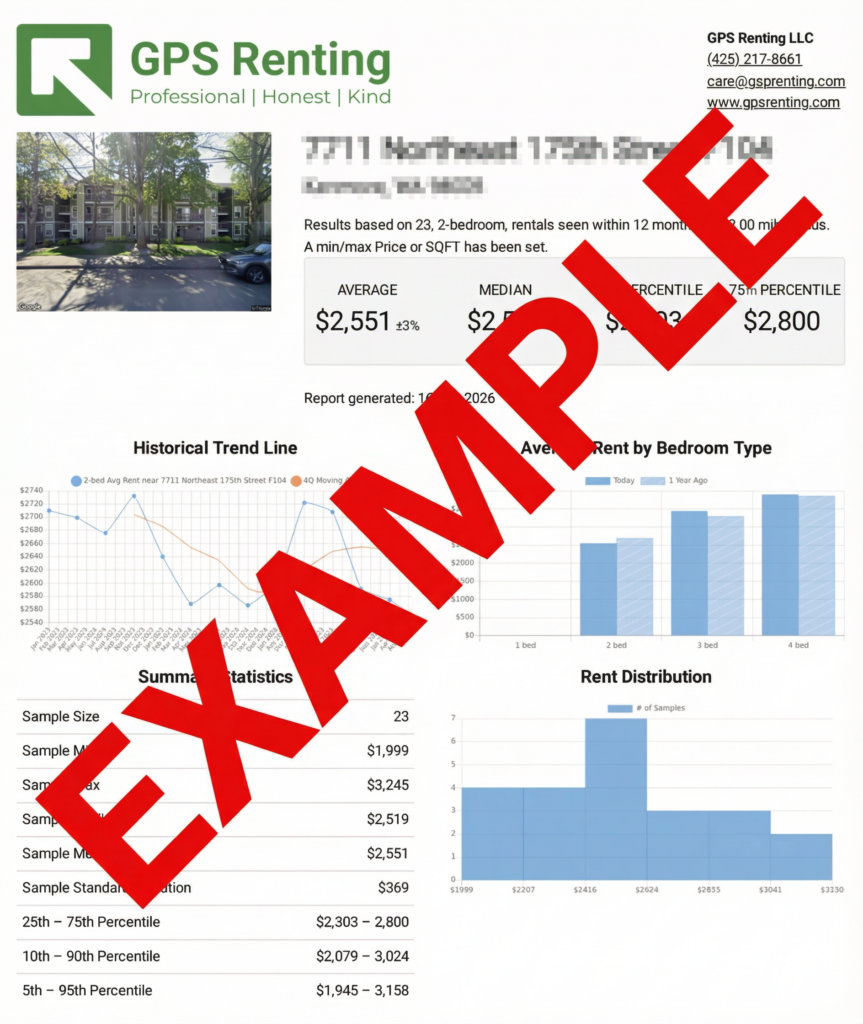
Use our True Cost Calculator to understand your property’s value and rental potential. Input your address and see:
- What your property is worth today
- What you’d net if you sold
- What you’d earn if you kept it as a rental
- How your neighborhood compares
Which Upgrades Are Usually Not Worth It Before Leasing?
Not every upgrade is worth doing.
Some improvements look good but may not produce enough rental benefit. For example, luxury countertops, premium appliances, custom tile, designer fixtures, and expensive landscaping may not create enough return if the home still has old flooring, poor lighting, limited storage, or a weak bathroom.
Landlords should be careful with upgrades that are based on personal preference rather than renter behavior.
Before spending heavily, ask:
Will this help the home lease faster?
Will this attract stronger applicants?
Will this reduce maintenance or turnover cost?
Will this improve photos and showing experience?
Will this matter to the target renter?
Will this fit the rent level and neighborhood?
Will this create a maintenance burden later?
If the answer is unclear, pause before spending.
If you want to learn more about budget-conscious improvements, read Budget-Friendly Home Upgrades in Seattle.
Need Help Navigating This Market?
Schedule a Consultation
Market shifts can make pricing, leasing, and tenant placement more complex than expected.
If you’d rather focus on your investment while professionals handle pricing strategy, marketing, and tenant screening, we’re here to help.

Haobang Lu
Business Development Manager
How to Decide When to Upgrade
The best time to make rental upgrades is usually before the home is listed, before photos are taken, and before vacancy becomes expensive.
Waiting until the property sits on the market can create two problems. First, the listing may already look stale. Second, the owner may lose rent while trying to make changes under pressure.
A practical upgrade plan should happen in this order:
First, inspect the property.
Second, fix safety and habitability issues.
Third, address obvious visual problems.
Fourth, improve function in high-use areas.
Fifth, prepare the home for photos and showings.
Sixth, price the property based on current market conditions.
This order helps landlords avoid spending too much on cosmetic improvements while missing the issues that renters actually care about.
Who Should Make These Upgrade Decisions?
The owner should make the final decision, but the decision should not be based only on personal taste.
The best input usually comes from a combination of:
A local property manager
A leasing specialist
A maintenance professional
Current rental market data
Recent showing feedback
Tenant questions and objections
Comparable rental listings
This is where GPS Renting can help.
A landlord may know the home well, but a property manager sees how renters respond to similar homes every week. That practical leasing feedback can help owners avoid unnecessary spending and prioritize the improvements most likely to affect performance.
How GPS Renting Can Help Seattle Owners Choose the Right Upgrades
GPS Renting helps Seattle-area landlords prepare, price, lease, and manage rental homes with a focus on long-term performance.
For 3-bedroom single-family rental houses, GPS Renting can help owners answer practical questions such as:
What should be fixed before listing?
Which upgrades will matter most to renters?
What improvements are not worth doing right now?
How should the home be priced after upgrades?
How should the property be photographed and marketed?
Should pets be allowed?
How can vacancy time be reduced?
What lease terms should clarify tenant responsibilities?
GPS Renting’s role is not to tell every owner to remodel. In many cases, the better advice is to make targeted improvements that help the home feel clean, functional, safe, and easy to live in.
That can include coordinating maintenance, recommending vendor work, preparing the property for showings, screening tenants, handling communication, and helping owners make decisions based on market feedback instead of guesswork.
If you want to learn more about the value of professional management, read What Is the Benefit of Hiring a Property Manager?.
Personal Experience: What We See With Seattle Rental Homes
In our experience working with Seattle-area rental owners, the homes that perform best are not always the most luxurious. They are usually the homes that feel ready.
Ready means the home is clean.
Ready means the photos look bright.
Ready means the flooring does not create concern.
Ready means the bathroom feels usable.
Ready means the yard does not look overwhelming.
Ready means access is easy for showings.
Ready means the owner has handled obvious repairs before renters start asking questions.
High-quality tenants often notice small signals. A working light fixture, clean entryway, fresh paint, secure door, and well-maintained yard can tell a renter that the home is professionally cared for.
On the other hand, small issues can create doubt. If a renter sees loose hardware, stained carpet, poor lighting, old caulking, or cluttered storage areas, they may wonder what else has been ignored.
That is why targeted upgrades matter. They help the home make a stronger first impression and reduce the friction that can keep good renters from applying.
Final Thoughts
The best upgrades for a 3-bedroom Seattle rental house are the ones that improve livability, reduce risk, and support long-term rental performance.
Landlords do not need to chase every design trend. They need to understand what quality tenants value: clean finishes, durable materials, functional rooms, safe access, reliable systems, storage, laundry, parking, pet readiness, and a home that feels professionally maintained.
Before spending money, start with the renter’s experience. Ask what will make the home easier to live in, easier to maintain, and easier to lease.
That is where smart rental upgrades create value.
For Seattle landlords, the goal is not just to make the home look better. The goal is to attract the right tenant, reduce vacancy, protect the property, and improve long-term ROI.
FAQs
What are the best upgrades for a 3-bedroom Seattle rental house?
The best upgrades for a 3-bedroom Seattle rental house usually include durable flooring, fresh neutral paint, better lighting, functional kitchen updates, bathroom improvements, reliable laundry, storage improvements, yard cleanup, secure access, and pet-friendly features. These upgrades help the home feel clean, practical, and easier to live in.
How do I know which rental upgrades are worth it?
A rental upgrade is usually worth it if it helps the home lease faster, attract stronger applicants, reduce maintenance costs, improve photos, or prevent tenant complaints. If an upgrade is expensive but does not improve function, comfort, safety, or leasing performance, it may not be the best first priority.
When should Seattle landlords upgrade a rental property?
Seattle landlords should usually complete important upgrades before listing the property, before taking photos, and before showings begin. Waiting until the home sits vacant can lead to lost rent and weaker listing performance.
Why do 3-bedroom rental houses need a different upgrade strategy?
A 3-bedroom rental house often attracts families, roommates, remote workers, and pet owners. These renters care about storage, bathroom function, laundry, parking, yard condition, privacy, and long-term comfort. That makes the upgrade strategy different from a small apartment or condo.
What upgrades help attract high-quality tenants?
Upgrades that help attract high-quality tenants include clean flooring, fresh paint, good lighting, modern fixtures, reliable appliances, secure locks, functional laundry, usable outdoor space, and clear pet-friendly features. These improvements show that the property is cared for and professionally maintained.
Should I remodel the kitchen before renting my Seattle house?
Not always. A full kitchen remodel may not be necessary if the kitchen is functional, clean, and reliable. Many landlords get better value from smaller improvements such as updated hardware, better lighting, a modern faucet, clean counters, and working appliances.
Is it worth upgrading a 3-bedroom, 1-bath rental house?
Yes, but the bathroom should be a priority. A 3-bedroom, 1-bath home can still rent well if the bathroom is clean, bright, ventilated, and functional. Improvements such as new lighting, fresh caulking, a modern vanity, and better storage can make a big difference.
Should Seattle landlords allow pets in 3-bedroom rental homes?
Allowing pets can expand the renter pool, especially for single-family homes with yards. However, landlords should use clear pet policies, pet screening, deposits or fees where allowed, durable flooring, and strong lease language to reduce risk.
What upgrades are not worth doing before renting?
Luxury finishes, custom design features, expensive landscaping, premium appliances, and major remodels may not be worth it if the home still has basic issues like worn flooring, poor lighting, old paint, moisture problems, or weak curb appeal.
Who can help me decide which upgrades my Seattle rental needs?
A local property manager can help evaluate the home, compare it with current rental competition, review likely tenant expectations, and recommend upgrades based on leasing performance. GPS Renting helps Seattle-area landlords prioritize improvements before listing so owners can avoid unnecessary spending and reduce vacancy risk.
Written by Nick He, Founder of GPS Renting
Nick He founded GPS Renting with the mission of providing professional, honest, and kind property management throughout the Greater Seattle area. Through years of working directly with Seattle landlords and residents, Nick has developed extensive experience in rental pricing, tenant screening, tenant communication, maintenance coordination, lease compliance, and Washington landlord-tenant regulations.
His landlord guides are designed to help rental property owners make better decisions with practical advice, clear documentation practices, and real-world property management insight. For Seattle landlords, Nick’s guidance focuses on reducing vacancy risk, improving tenant quality, protecting rental income, and managing properties with professionalism and care.