
Choosing the right lease structure is one of the most important decisions Seattle landlords make. While rental pricing, tenant screening, and property condition often get the most attention, the type of lease you offer can significantly affect vacancy rates, tenant retention, cash flow stability, and long-term profitability.
Many landlords assume a fixed-term lease is always the safer option. Others prefer the flexibility of month-to-month agreements. The reality is that both lease types have advantages and drawbacks, especially in Seattle’s heavily regulated rental market.
Understanding the differences between Seattle lease types can help landlords align their leasing strategy with their investment goals, risk tolerance, and market conditions.
If you’re evaluating your overall rental strategy, you can learn more about Seattle property management services and how professional leasing strategies can improve long-term performance.
Why Lease Type Matters More in Seattle
Seattle landlords face a regulatory environment that is more complex than many other markets.
Statewide rent increase regulations under EHB 1217, local tenant protections, notice requirements, and Seattle-specific housing policies all affect how lease agreements are managed.
The lease structure you choose can influence:
- Tenant turnover
- Rent adjustment opportunities
- Vacancy exposure
- Compliance requirements
- Cash flow predictability
- Property management workload
According to the Washington State Legislature, landlords must comply with specific notice requirements and lease regulations when making changes to tenancy terms and rent amounts.
Seattle landlords should also understand broader legal obligations before selecting a lease structure. You can learn more about Seattle landlord-tenant laws.
What Is a Fixed-Term Lease?
A fixed-term lease has a specific beginning and ending date.
Common examples include:
- 6-month lease
- 12-month lease
- 18-month lease
- 24-month lease
The most common fixed-term lease in Seattle remains the 12-month lease.
Once signed, both parties agree to the lease terms for the specified period unless an approved lease termination event occurs.
Not Sure Which Lease Type Will Maximize Your Rental Income?
A small leasing decision today can impact vacancy, turnover costs, and long-term cash flow. See how your property compares to current Seattle market conditions.
Benefits of Fixed-Term Leases
Predictable Rental Income
Fixed leases create stability for landlords because tenants commit to paying rent for a specific period.
This makes budgeting easier and reduces uncertainty.
Lower Vacancy Risk
Because tenants are committed to a defined term, landlords generally experience fewer unexpected move-outs.
This can reduce:
- Marketing costs
- Leasing expenses
- Lost rental income
- Turnover maintenance costs
Stronger Tenant Retention
Longer lease commitments often lead to longer tenancy periods.
Many Seattle landlords find that residents who sign annual renewals stay for multiple years.
For additional strategies, learn more about tenant retention in Seattle.
Drawbacks of Fixed-Term Leases
Reduced Flexibility
If market conditions change significantly, landlords may have limited opportunities to adjust leasing strategies until the lease expires.
Timing Challenges
A lease expiration during a slower rental season can create additional vacancy risk.
For example, winter vacancies in Seattle often attract fewer applicants than spring and summer listings.
Potentially Below-Market Rent
If rents rise quickly, landlords may be locked into below-market pricing until renewal.
According to Zillow rental market research, rental pricing can fluctuate significantly across Seattle neighborhoods depending on inventory and demand.
Source: https://www.zillow.com/research/
Is Your Current Lease Strategy Costing You Money?
Whether you’re using month-to-month or fixed-term leases, understanding market trends can help you reduce risk and improve returns.
What Is a Month-to-Month Lease?
A month-to-month lease automatically renews every month unless either party provides proper notice under applicable laws and lease terms.
Unlike fixed-term agreements, there is no predetermined end date.
This flexibility appeals to some landlords and tenants, particularly during transitional periods.
Benefits of Month-to-Month Leases
Increased Flexibility
Landlords may have more flexibility when:
- Planning renovations
- Preparing to sell
- Repositioning the property
- Evaluating market conditions
Easier Transition Periods
Month-to-month agreements work well when:
- Owners may move back into the property
- Major repairs are anticipated
- Tenants need temporary housing
- Property disposition decisions are pending
Faster Adaptation To Market Changes
When regulations permit, landlords may be able to adapt more quickly to changing rental market conditions.
Make More Confident Leasing Decisions
Get a personalized rental analysis based on your property, neighborhood, and Seattle’s current rental market conditions.
Drawbacks of Month-to-Month Leases
Higher Turnover Risk
Tenants can often leave with shorter notice periods than fixed-term tenants.
This creates greater uncertainty.
Increased Vacancy Exposure
Unexpected move-outs can lead to:
- Lost rental income
- Emergency marketing efforts
- Additional turnover costs
More Administrative Work
Month-to-month tenancies often require closer monitoring of:
- Notice periods
- Lease compliance
- Market pricing
- Communication timelines
Side-By-Side Comparison of Seattle Lease Types
| Factor | Fixed-Term Lease | Month-to-Month Lease |
|---|---|---|
| Income Stability | High | Moderate |
| Vacancy Risk | Lower | Higher |
| Flexibility | Lower | Higher |
| Tenant Retention | Higher | Moderate |
| Management Workload | Lower | Higher |
| Budget Predictability | High | Moderate |
| Market Responsiveness | Lower | Higher |
| Long-Term Planning | Easier | More Challenging |
Ready to Price Your Rental Correctly?
Calculate Your Rental Potential
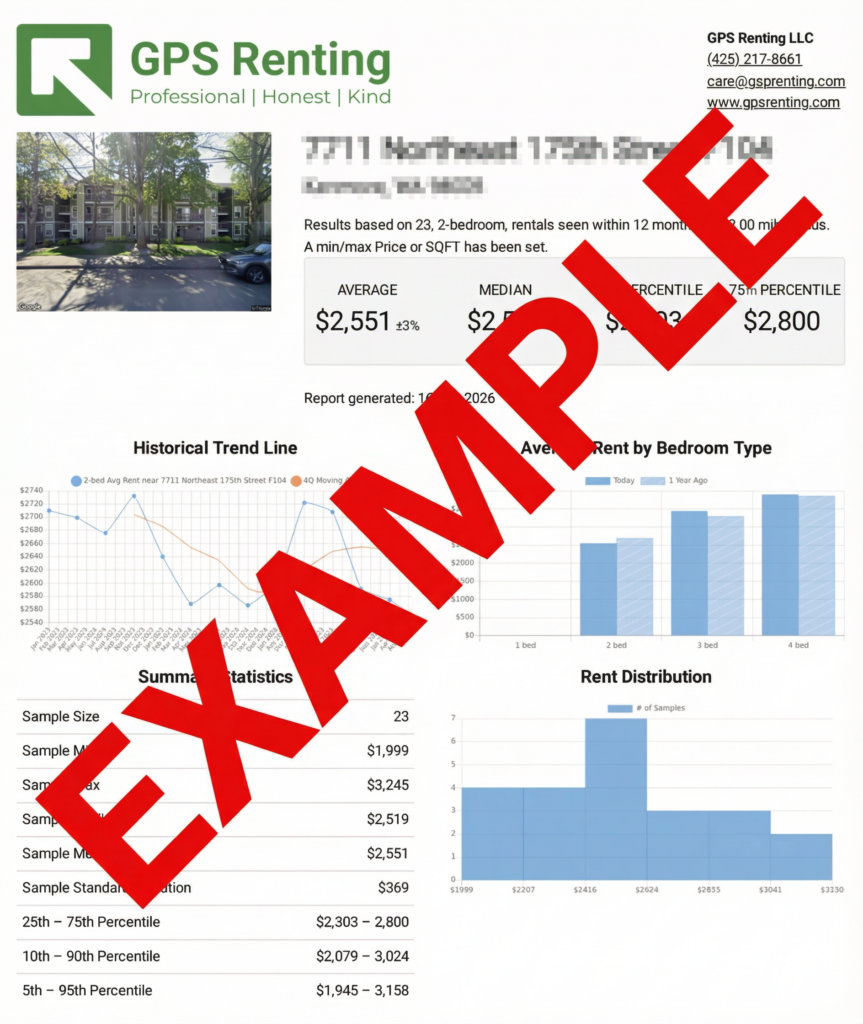
Use our True Cost Calculator to understand your property’s value and rental potential. Input your address and see:
- What your property is worth today
- What you’d net if you sold
- What you’d earn if you kept it as a rental
- How your neighborhood compares
Which Lease Type Performs Better During Market Slowdowns?
During periods of slower rental demand, fixed-term leases often provide greater protection.
When rental activity softens:
- Listings take longer to rent
- Applicants become more selective
- Vacancy costs increase
Landlords with stable, long-term tenants are often less exposed to these fluctuations.
Recent Seattle rental market updates have shown that pricing mistakes and vacancies can become increasingly costly when demand softens.
You can learn more about Seattle’s rental market slowdown and review recent Seattle rental market conditions.
According to Redfin market reports, housing and rental demand can shift significantly based on interest rates, employment trends, and inventory levels.
Source: https://www.redfin.com/news/
When A Month-to-Month Lease Makes Sense
While fixed-term leases are often preferred by investors, there are situations where month-to-month agreements may be appropriate.
Property Sale Plans
- Owners considering a sale may want additional flexibility.
Temporary Relocation Situations
- If the owner may move back into the property in the near future, a month-to-month arrangement can provide flexibility.
Renovation Planning
- Major property improvements may require future vacancy planning.
Uncertain Tenant Situations
- In some cases, landlords may prefer not to commit to a long-term lease immediately.
When A Fixed-Term Lease Makes Sense
Most Seattle investment properties perform best under fixed-term leases.
Long-Term Investment Strategies
- Investors focused on stable cash flow typically benefit from predictable tenancy periods.
Family-Oriented Housing
- Families often prefer long-term housing stability.
School District Properties
- Homes near desirable schools frequently attract residents seeking longer occupancy.
High-Demand Neighborhoods
- Fixed leases help lock in stable occupancy during market fluctuations.
Need Help Navigating This Market?
Schedule a Consultation
Market shifts can make pricing, leasing, and tenant placement more complex than expected.
If you’d rather focus on your investment while professionals handle pricing strategy, marketing, and tenant screening, we’re here to help.

Haobang Lu
Business Development Manager
Common Seattle Landlord Mistakes
Automatically Using Month-to-Month Agreements
Many landlords underestimate turnover costs.
A single vacancy can erase months of perceived flexibility benefits.
Locking In Below-Market Rent Too Long
Long-term leases should be evaluated carefully during changing market conditions.
Ignoring Renewal Planning
Lease renewals should be approached strategically rather than treated as administrative tasks.
You can learn more about Seattle lease renewal compliance.
Failing To Plan For Vacancy
Every lease strategy should include vacancy planning and marketing preparation.
For additional guidance, learn more about how GPS Renting reduces vacancy time.
How GPS Renting Evaluates Lease Strategies
At GPS Renting, lease recommendations are never one-size-fits-all.
We evaluate:
- Property type
- Location
- Neighborhood demand
- Owner goals
- Tenant profile
- Market conditions
- Future investment plans
A downtown Seattle condo may benefit from a different lease strategy than a single-family home in Shoreline, Kenmore, or Bellevue.
Our goal is to help owners maximize long-term performance while remaining professional, honest, and kind throughout the process.
You can learn more about how property management works in Seattle or explore our full property management approach.
FAQ
Is a month-to-month or fixed-term lease better for Seattle landlords?
For most long-term rental investments, fixed-term leases provide greater stability and lower vacancy risk. However, month-to-month leases can be useful when flexibility is a priority.
Can a fixed-term lease become month-to-month in Seattle?
Yes. Depending on the lease language and applicable regulations, some fixed-term leases transition into month-to-month tenancy after expiration.
Can landlords raise rent on month-to-month leases?
Potentially, but landlords must follow applicable state and local notice requirements, including current Washington rent increase regulations.
Which lease type reduces vacancy risk?
Fixed-term leases generally reduce vacancy risk because tenants commit to a specific occupancy period.
Is month-to-month better during uncertain markets?
Sometimes. It provides flexibility, but landlords should balance flexibility against increased turnover risk.
Which lease type do tenants usually prefer?
Many tenants prefer fixed-term leases because they provide housing stability and predictable monthly expenses.
Can tenants break a fixed-term lease early?
Certain circumstances may allow early termination, while other situations may involve lease break obligations. Lease language is important.
Are month-to-month leases easier to manage?
Not necessarily. They often require more active monitoring and planning due to increased turnover risk.
Which lease type works best for Seattle investors?
For most investment-focused landlords, fixed-term leases offer stronger income stability and long-term planning benefits.
How can landlords decide which lease type is right?
The answer depends on investment goals, property type, market conditions, and future plans. A professional rental analysis can help identify the best strategy.
Final Thoughts
There is no universally perfect answer in the month-to-month vs fixed-term lease Seattle debate.
The right choice depends on your property’s goals, risk tolerance, market conditions, and long-term investment strategy.
For most Seattle landlords focused on stable income and lower vacancy rates, fixed-term leases often provide the strongest foundation. However, month-to-month agreements can be valuable when flexibility is a priority.
The most successful landlords regularly evaluate their lease strategy rather than relying on the same approach year after year.

Written by Nick He, Founder of GPS Renting
Nick He founded GPS Renting with the mission of providing professional, honest, and kind property management throughout the Greater Seattle area. Through years of working directly with Seattle landlords and residents, Nick has developed extensive experience handling lease compliance issues, tenant communication challenges, property operations, and Washington landlord-tenant regulations. His landlord and tenant guides are designed to help rental property owners navigate complex situations with practical strategies, clear documentation practices, and real-world operational insight tailored to Seattle’s evolving rental market.