
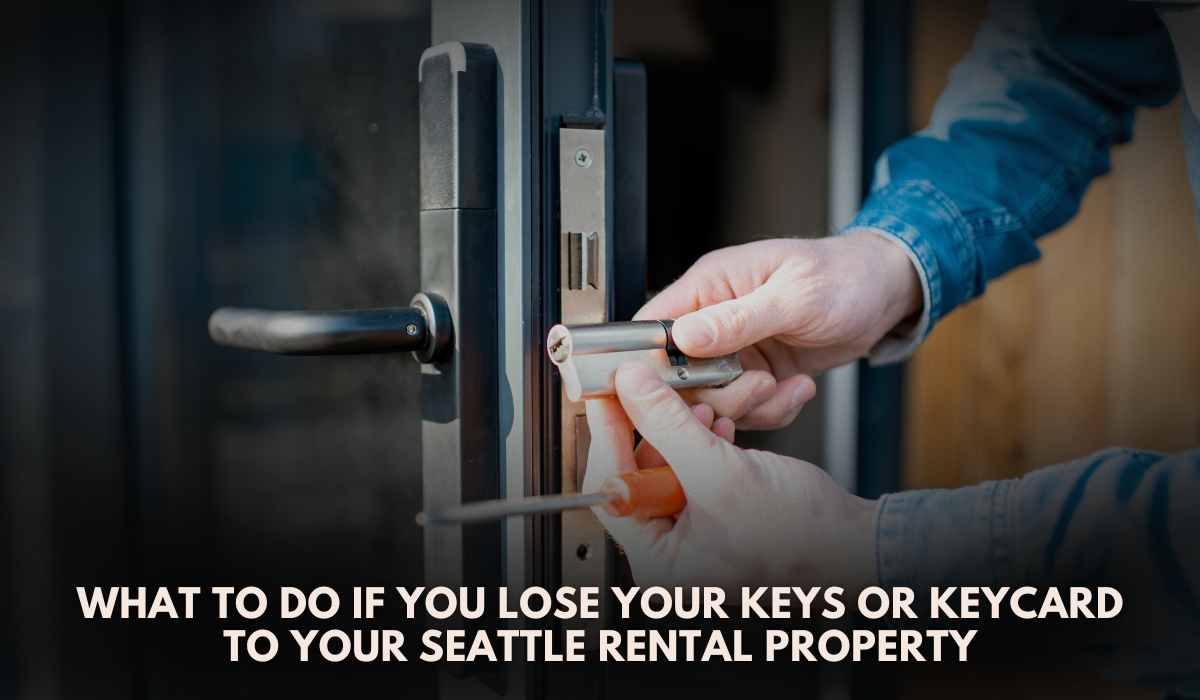
Losing your rental keys, keycard, FOB, or building access device can quickly become stressful, especially if it happens after hours, during bad weather, or when you need to get inside right away.
Before calling a locksmith or trying to force entry, Seattle tenants should follow the proper steps. The wrong move can lead to property damage, security issues, replacement fees, or lease violations.
This guide explains what Seattle tenants should do after losing rental keys or a keycard, who to contact, what fees may apply, and how to avoid future access problems.
Key Takeaway
If you lose your keys or keycard to your Seattle rental property, contact your landlord or property manager first. Do not force the door open, change the locks, or call an unauthorized locksmith unless your lease or property manager allows it. Lost keys and keycards are usually a tenant responsibility, but the exact process depends on your lease, building rules, and property access system.
Common Rental Access Items Tenants May Lose
Seattle rental properties may use different types of access devices, including:
- Unit keys
- Mailbox keys
- Garage remotes
- Building entry cards
- HOA access cards
- Elevator keycards
- Parking gate remotes
- Electronic FOBs
- Smart lock codes or app access
Losing one item can affect more than your apartment door. In multifamily buildings, a missing keycard or FOB may also create security concerns for the building, shared areas, parking garage, or package room.
What to Do First If You Lose Your Keys or Keycard
1. Stay Calm and Check Carefully
Before reporting the item as lost, check common places first.
Look in:
- Bags, pockets, and jackets
- Your car
- Work desk or school bag
- Gym bag
- Laundry area
- Recent rideshare or transit stops
- Places you recently visited
If another approved household member has access, ask if they can safely help you enter.
Do not try to climb through windows, force the door, remove hardware, or damage the lock. Any damage may become your responsibility.
2. Contact Your Property Manager or Landlord
Your next step should be to contact your landlord or property manager.
Tell them:
- Your name
- Rental address
- Unit number
- What was lost
- When you noticed it was missing
- Whether you are unable to enter the home
- Whether the lost item includes building, mailbox, garage, or parking access
For professionally managed rentals, there may already be a lockout or replacement procedure. Some companies have resident portals, emergency lines, or after-hours instructions for access issues.
3. Follow the Lease or Resident Handbook
Many Seattle leases include rules about keys, keycards, lockouts, and replacement access devices.
Your lease may explain:
- Who to contact after hours
- Whether lockout fees apply
- Whether tenants can call a locksmith
- Whether locks can be changed
- How replacement keys are issued
- How lost keycards or FOBs are deactivated
- Whether rekeying is required for security
Before taking action, check your lease or resident handbook. This helps you avoid unauthorized changes or extra charges.
4. Ask If Temporary Access Is Available
Depending on the property, management may be able to provide temporary access.
This may include:
- A temporary key
- A temporary access code
- A backup key pickup
- On-call staff assistance
- Building manager access
- A scheduled key replacement
- A temporary FOB or card
For keycard or FOB systems, the property manager may also need to deactivate the lost device before issuing a replacement.
5. Do Not Change the Locks Without Permission
Tenants should not change rental locks on their own unless the lease or landlord allows it.
Unauthorized lock changes can create serious issues because the landlord or property manager may need legal access for repairs, inspections, emergencies, or required notices.
If a locksmith is needed, ask your property manager first. They may have an approved vendor or specific lock system that must be used.
What If You Lose a Keycard, FOB, or Building Access Device?
If you lose a keycard, FOB, garage remote, or building access device, report it right away.
This matters because the lost device may provide access to shared areas such as:
- Lobby
- Elevator
- Parking garage
- Mailroom
- Package room
- Amenity areas
- Storage rooms
- Building entrances
The property manager may need to deactivate the missing card or FOB to protect building security.
You may also need to pay a replacement fee. In some HOA-managed or apartment communities, replacement fees can include administrative costs, programming fees, or building management charges.
Looking to Simplify Your Seattle Rental Management?
See how professional property management can help protect your property and improve the resident experience.
Who Pays for Lost Rental Keys or Keycards?
In most cases, tenants are responsible for costs related to lost keys, keycards, FOBs, or garage remotes.
Common tenant charges may include:
- Replacement key fee
- Replacement keycard or FOB fee
- Garage remote replacement fee
- Locksmith fee
- After-hours service fee
- Rekeying fee if required for security
- HOA or building access reprogramming fee
However, fees should follow the lease agreement and applicable rental rules. Tenants should ask for a clear explanation of any charge before paying.
Is Losing Keys Considered an Emergency?
Usually, losing your keys or keycard is not treated the same as an emergency maintenance issue.
Emergency maintenance usually involves urgent health, safety, or habitability concerns, such as major leaks, no heat, electrical hazards, or unsafe living conditions.
A lost key or keycard is often considered a tenant access issue. That means response time, fees, and after-hours availability may depend on your lease and property management policy.
However, contact your landlord or property manager immediately if there is a safety concern, such as a child locked inside, a vulnerable resident needing access, or another urgent risk.
Modern Rental Systems Require Better Management
From smart locks to resident communication, see how organized management helps prevent common rental issues.
Should You Call a Locksmith?
Do not call a locksmith first unless your lease allows it or your property manager approves it.
Some rental homes use specific lock systems, smart locks, master key systems, or HOA-controlled access. An unauthorized locksmith could damage the lock, replace it incorrectly, or create a security issue.
Before calling a locksmith, ask:
- Does my lease allow me to use a locksmith?
- Does management have an approved locksmith?
- Will I be responsible for the cost?
- Does the landlord need a copy of the new key?
- Is rekeying required after a lost key?
- Will this affect building or HOA access?
Calling the correct person first can save time, money, and frustration.
What If You Lose Your Mailbox Key?
If you lose your mailbox key, contact your property manager or landlord first.
In some properties, the landlord controls mailbox key replacement. In other cases, the mailbox may be controlled by the United States Postal Service or the building’s mailbox system.
Do not force open a mailbox. This can cause damage and may create additional issues.
Ask management who handles the replacement and whether there is a fee.
Ready to Price Your Rental Correctly?
Calculate Your Rental Potential
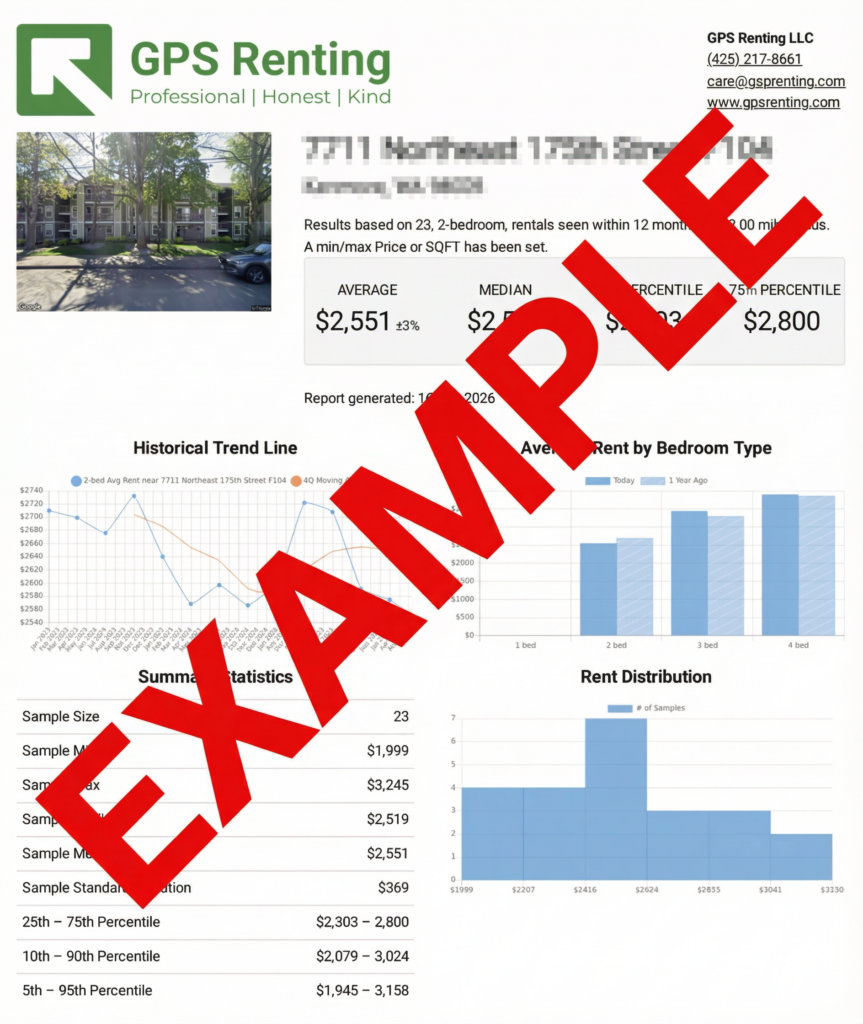
Use our True Cost Calculator to understand your property’s value and rental potential. Input your address and see:
- What your property is worth today
- What you’d net if you sold
- What you’d earn if you kept it as a rental
- How your neighborhood compares
What If You Lose a Garage Remote or Parking Access Device?
Garage remotes and parking access devices should also be reported quickly.
A lost garage remote may allow someone to access a secured parking area or building entrance. Management may need to deactivate or reprogram the device.
Tenants may be responsible for replacement costs, especially if the device was lost, damaged, or not returned at move-out.
What If Your Key Was Stolen?
If your keys, keycard, or FOB were stolen, tell your landlord or property manager immediately.
You should also explain whether the stolen item could identify your rental address. For example, if your bag, wallet, ID, or address information was stolen with the keys, the property may need to consider rekeying or deactivating access devices.
In some situations, filing a police report may be appropriate. Keep a copy of any report or documentation for your records.
Need Help Navigating This Market?
Schedule a Consultation
Market shifts can make pricing, leasing, and tenant placement more complex than expected.
If you’d rather focus on your investment while professionals handle pricing strategy, marketing, and tenant screening, we’re here to help.

Haobang Lu
Business Development Manager
How to Prevent Future Lost Key or Keycard Problems
Tenants can reduce future access issues by taking a few simple steps:
- Save your landlord or property manager’s contact information
- Review after-hours lockout procedures before you need them
- Keep keys in the same place every day
- Use a key tracker if allowed
- Do not lend keys or keycards to unauthorized people
- Report damaged or unreliable keys early
- Keep keycards away from magnets or water
- Ask management about approved backup access options
- Return all keys, cards, FOBs, and remotes at move-out
A small habit can prevent a late-night access problem later.
Why Clear Rental Access Policies Matter
Lost keys and keycards are common, but they become more stressful when tenants do not know what to do.
For property owners and managers, clear access policies help reduce confusion, prevent property damage, and improve the resident experience.
Good rental access systems should explain:
- Who tenants contact
- What happens after hours
- What fees apply
- When locksmiths are allowed
- How keycards and FOBs are replaced
- How lost access devices are deactivated
- How quickly tenants can expect help
For Seattle landlords, having these procedures in writing can reduce conflict and make access issues easier to resolve.
Need Help Managing Rental Access Issues?
Lost keys, keycards, and access problems can create frustration for tenants and extra work for landlords.
Professional property management can help by setting clear procedures, coordinating vendors, managing secure access systems, and communicating with residents when issues happen.
FAQs
What should I do if I lose my rental keys in Seattle?
If you lose your rental keys in Seattle, contact your landlord or property manager first. Do not force the door open or change the locks without permission. Your property manager can explain the correct replacement process, possible fees, and whether rekeying is required.
Who pays for lost rental keys?
Tenants usually pay for lost rental keys if the keys were misplaced, stolen, or not returned. The exact cost depends on the lease, property policy, and whether a standard key replacement, locksmith visit, or full rekey is needed.
What should I do if I lose my apartment keycard or FOB?
If you lose your apartment keycard or FOB, report it to your landlord, property manager, or building management as soon as possible. The missing device may need to be deactivated for security before a replacement is issued.
Can I call a locksmith if I lose my rental keys?
You should contact your landlord or property manager before calling a locksmith. Many leases do not allow tenants to change locks or hire unauthorized locksmiths without approval. If a locksmith is needed, management may require an approved vendor.
Can my landlord charge me a lockout fee?
Yes, a landlord or property manager may charge a lockout fee if the lease allows it. Fees may apply for after-hours assistance, replacement keys, replacement FOBs, garage remotes, locksmith service, or rekeying.
Is losing my keys considered an emergency maintenance issue?
Usually, losing keys is not considered emergency maintenance. It is typically a tenant access issue. However, if there is an immediate safety concern, such as a child or vulnerable person needing urgent access, contact emergency services or your property manager right away.
Can I change the locks after losing my keys?
Tenants usually cannot change locks without landlord approval. Unauthorized lock changes can violate the lease and create security or access problems. Always ask your landlord or property manager before making changes to a rental lock.
What happens if my keycard is stolen?
If your keycard is stolen, notify property management immediately. They may need to deactivate the card, issue a replacement, and review whether other access devices should be updated for security.
Do I have to pay for rekeying after losing my keys?
You may have to pay for rekeying if your lease requires it or if the lost key creates a security concern. For example, rekeying may be needed if the lost keys were stolen with identification or address information.
What should I do if I lose my mailbox key?
If you lose your mailbox key, contact your landlord or property manager first. They can tell you whether they handle replacement or whether the mailbox is managed by the building, HOA, or postal service.
What should I do if I lose my garage remote?
If you lose your garage remote, report it quickly. A lost garage remote may create a security issue for parking areas or building access. Management may need to deactivate, reprogram, or replace the device.
How can tenants prevent future lockouts?
Tenants can prevent future lockouts by keeping keys in a consistent place, saving property management contact information, reviewing after-hours access rules, using a key tracker when allowed, and reporting access problems early.
Can a landlord refuse to replace a lost key?
A landlord generally needs to provide a reasonable way for tenants to access their rental property, but tenants may be responsible for replacement costs and must follow the property’s access policy. The process depends on the lease and building rules.
What information should I give my property manager after losing keys?
Give your property manager your name, rental address, unit number, the type of access item lost, when it was lost, and whether you are currently unable to enter the property. This helps them respond faster and determine whether security steps are needed.

Written by Nick He, Founder of GPS Renting
Nick He founded GPS Renting with the mission of providing professional, honest, and kind property management throughout the Greater Seattle area. Through years of working directly with Seattle landlords and residents, Nick has developed extensive experience handling lease compliance issues, tenant communication challenges, property operations, and Washington landlord-tenant regulations. His landlord and tenant guides are designed to help rental property owners navigate complex situations with practical strategies, clear documentation practices, and real-world operational insight tailored to Seattle’s evolving rental market.