

You bought your Seattle rental property at the peak. It was worth $1.5 million. You felt smart. You felt like you’d made a great investment.
And now you’re asking yourself the question every landlord in the Seattle area is asking right now: Should I sell and cut my losses? Or should I hold and wait for the market to recover?
This is the hardest decision you’ll make as a property owner. And it’s not just a financial question—it’s emotional too.
The Panic Is Normal
First, let me say this: The panic you’re feeling is completely normal.
You’ve lost money. A lot of money. On paper. And that’s scary.
But here’s what I want you to know: Panic is the worst time to make a real estate decision.
Let me show you why.
To make this easier to understand, we also created a short video that walks through this exact scenario and how property owners can think through the decision. If you’re trying to decide whether to sell now or hold and wait for recovery, this quick explanation will help.
Watch: I Lost $200K on My Property. Should I Sell or Hold? Here’s How to Decide
Want to Know What Your Property Is Worth Today?
See how your home compares and evaluate your next move.
The Stock Market Lesson
Imagine you owned stocks. You bought them for $100,000 in 2021. They’re now worth $80,000. You’ve lost $20,000.
Would you sell them right now?
Most people would say no. They’d wait for the market to recover. They know that selling at the bottom locks in the loss.
Real estate works the same way. But with one critical difference: real estate has massive transaction costs.
Stock vs Real Estate Transaction Costs
When you sell stocks, you might pay 1% in fees. When you sell real estate, you pay 8-13% in commissions, taxes, and closing costs.
Let me show you what that means:
Stock Example
- You bought at: $100,000
- Market drops to: $80,000 (20% loss)
- You sell and pay 1% fee: $800
- You net: $79,200
- Total loss: $20,800
Real Estate Example
- You bought at: $1.5M
- Market drops to: $1.2M (20% loss)
- You sell and pay 10% in costs: $120,000
- You net: $1.08M
- Total loss: $420,000
See the difference?
Stay Informed About the Seattle Rental Market
Staying informed about the Seattle rental market allows property owners to make smarter, data-driven decisions. We share regular updates, local Seattle insights, and market analysis to help landlords navigate pricing trends, demand changes, and new regulations.
The Historical Perspective
Here’s something that might help: Market downturns are temporary. Recovery is permanent.
Let’s look at history:
| 2008 Financial Crisis | 2020 COVID Crash | 2026 Current Downturn | |
|---|---|---|---|
| Seattle Home Price Drop | 25 to 30 percent | 10 to 15 percent | 15 to 20 percent |
| Recovery Time | 7 to 8 years | About 18 months | Estimated 3 to 5 years |
| Owners Who Held | Made money on appreciation plus rental income | Saw prices recover and reach new highs | Likely to see appreciation plus rental income |
| Owners Who Sold | Locked in losses and missed recovery | Missed recovery | Will lock in losses |
The Real Question: Should You Hold or Sell?
Now, I’m not saying you should always hold. There are legitimate reasons to sell. But those reasons should be based on YOUR situation, not on panic or market timing.
| Sell If | Hold If |
|---|---|
| You need the cash | You can afford to wait |
| You’re losing money every month | Your property generates income |
| You want to diversify | You believe in the market |
| You’re tired of being a landlord | You have time |
Ready to Explore Your Property’s Rental Potential?
See how your home compares in the current Seattle area rental market.
The Math: Hold vs Sell
Let me show you the actual numbers for a typical Seattle rental property:
| Scenario 1: Sell Now | Scenario 2: Hold for 3 Years | |
|---|---|---|
| Current Property Value | $1.2M | $1.2M |
| Selling Costs | $120,000 | $0 |
| Net Proceeds | $1.08M | Still own property |
| Rental Income | $0 | $162,000 (3 years) |
| Property Value After 3 Years | N/A | $1.39M |
| Total Financial Outcome | $420,000 loss from peak | $352,000 potential gain |
| Ownership | No longer own asset | Own $1.39M asset |
What If the Market Drops More?
This is the fear keeping many landlords awake at night: What if the market drops even more?
It’s a fair question. And the answer is: It could. Markets are unpredictable.
But here’s what history tells us: Markets always recover.
Ready to Price Your Rental Correctly?
Calculate Your Rental Potential
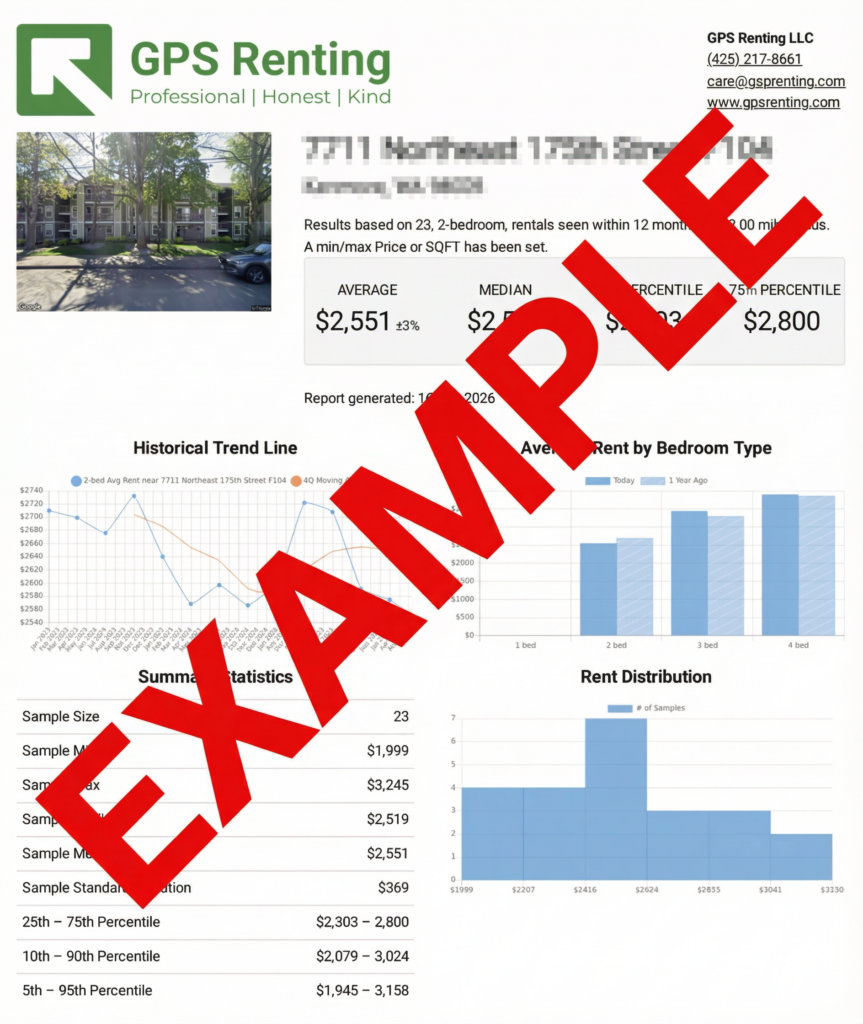
Use our True Cost Calculator to understand your property’s value and rental potential. Input your address and see:
- What your property is worth today
- What you’d net if you sold
- What you’d earn if you kept it as a rental
- How your neighborhood compares
The Tax Implications
Before you decide to sell, talk to a tax professional. Selling a rental property has major tax implications:
- Capital gains taxes
- Depreciation recapture
- State and federal taxes
- Potential AMT issues
The Bottom Line
Here’s what I want you to know: You’re not making a mistake by holding your property.
Yes, it’s worth less than you paid. That’s painful. But it’s also temporary. Markets recover. History proves it.
The real mistake would be to sell in a panic.
Don’t be that person.
Need Help Managing Your Rental?
Schedule a Consultation
Spring turnover can be stressful. If you’d rather focus on other things while we handle tenant screening, pricing, and lease management, we’re here to help.

Haobang Lu
Business Development Manager
FAQ's
Should I sell my Seattle rental property after a market drop?
Selling immediately after a market drop may lock in losses. If your property generates rental income and you can afford to hold, waiting for recovery may be financially beneficial.
Is it better to hold or sell real estate during a downturn?
Holding is often preferred if the property produces income and you have long-term investment goals. Selling may make sense if you need liquidity or are experiencing negative cash flow.
How much does it cost to sell a rental property?
Selling costs typically range from 8 to 13 percent of the property value, including commissions, taxes, and closing costs.
Does rental income help during a market downturn?
Yes. Rental income can offset expenses and allow you to build equity while waiting for property values to recover.
How long does real estate recovery usually take?
Recovery timelines vary, but historical data suggests housing markets often recover within a few years depending on economic conditions.
What factors should I consider before selling?
You should evaluate cash flow, equity, long-term goals, tax implications, and your ability to hold the property.
What are the tax implications of selling a rental property?
Selling may trigger capital gains taxes, depreciation recapture, and other tax liabilities, which can significantly reduce net proceeds.
What is the biggest mistake landlords make during downturns?
The biggest mistake is selling based on panic rather than analyzing financials and long-term potential.
Should I talk to a professional before deciding?
Yes. Consulting with a property manager, real estate professional, or tax advisor can help you evaluate your options.
Can holding help me recover losses?
Holding allows time for appreciation, mortgage paydown, and rental income, which can help offset temporary market declines.