Seattle has one of the oldest housing stocks on the West Coast. According to data from the U.S. Census Bureau, many homes in Seattle were built before 1980, meaning a significant number were constructed before the 1978 federal ban on residential lead-based paint.
For rental property owners, this creates an important compliance responsibility.
Many landlords only discover lead paint regulations when preparing to rent an older property or planning renovation work. Missing disclosure forms, failing to notify tenants, or disturbing old paint during repairs can create legal and health risks.
Understanding lead based paint rules for Seattle rental property owners helps landlords stay compliant, protect residents, and reduce liability when managing older homes.
At GPS Renting, we work with many Seattle and Greater Puget Sound landlords who own properties built decades ago. Proper documentation and awareness of federal rules help owners manage older homes safely and responsibly.
What Is Lead-Based Paint?
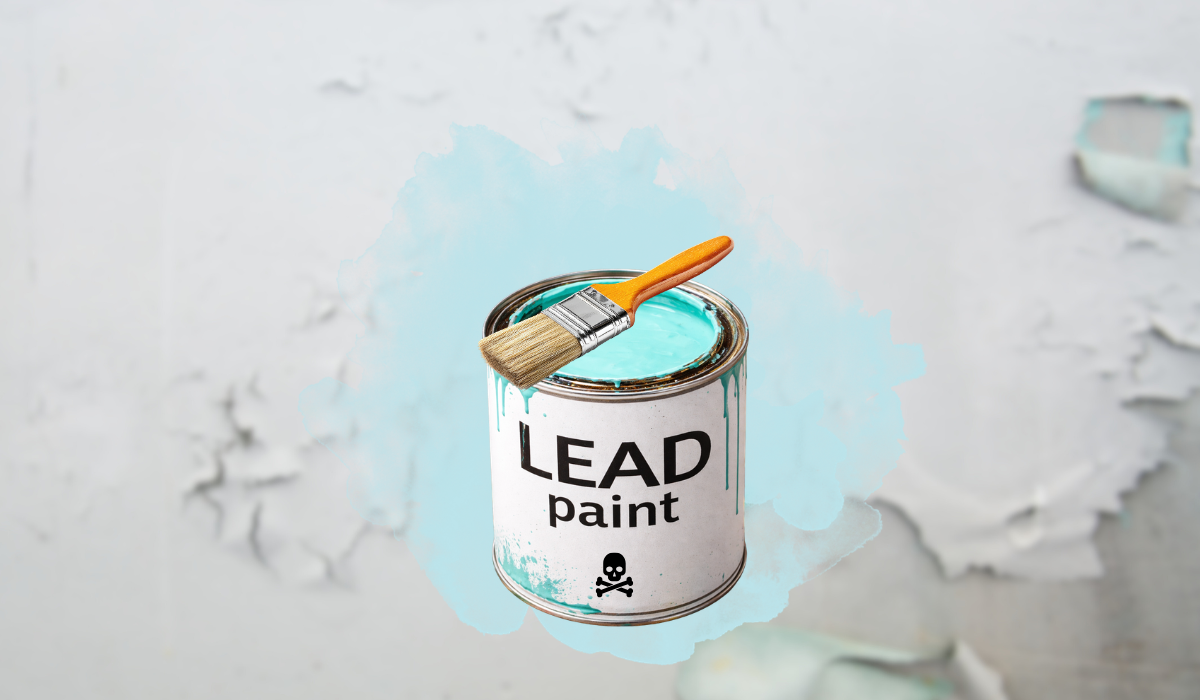
Lead-based paint refers to paint containing measurable amounts of lead, a material historically used to make paint more durable and moisture resistant.
Because of health concerns, especially for children, the United States banned residential lead paint in 1978.
Homes built before 1978 may still contain layers of old lead paint beneath newer paint coatings.
Lead paint is commonly found in areas such as:
- Window frames and sills
- Doors and door frames
- Baseboards and trim
- Exterior siding
- Porches and railings
Lead becomes a concern primarily when the paint begins deteriorating or when renovation work creates dust.
According to the Environmental Protection Agency, intact paint that is sealed and properly maintained often presents minimal risk. Problems typically arise when paint chips, peels, or is disturbed during remodeling.
Federal Disclosure Requirements for Rental Properties
Federal law requires landlords to disclose known lead hazards when renting homes built before 1978.
Before signing a lease, property owners must provide tenants with three important items.
- Lead Disclosure Form
Landlords must disclose any known lead-based paint hazards in the property. If the property has previously been tested for lead paint, those records must also be shared with tenants.
- EPA Lead Safety Pamphlet
Tenants must receive the official EPA educational guide:
Protect Your Family From Lead in Your Home
You can view the pamphlet here:
https://www.epa.gov/lead/protect-your-family-lead-your-home
- Lease Warning Statement
Rental agreements must include a Lead Warning Statement confirming that tenants received the disclosure and the EPA pamphlet.
Failure to provide these disclosures can result in federal penalties and legal liability.
For Seattle landlords managing rental housing, these disclosures are part of normal compliance procedures when leasing older homes.
Owners interested in broader landlord responsibilities can also review
Seattle tenant responsibilities in rental homes.
Renovation Risks in Older Homes
One of the biggest risks associated with lead paint occurs during renovation.
Activities such as sanding, scraping, drilling, or demolition can release lead dust particles that spread throughout the home.
Because of this risk, the EPA Renovation, Repair and Painting Rule (RRP) requires contractors working in pre-1978 housing to be EPA certified.
This rule applies when renovation work disturbs more than:
- 6 square feet of interior painted surfaces
- 20 square feet of exterior painted surfaces
Certified contractors use specific safety methods such as:
- Plastic containment barriers
- Sealed work areas
- HEPA vacuum cleanup
- Controlled dust removal
These procedures prevent contamination of other areas of the home.
Landlords planning renovations can learn more about the EPA RRP rule here:
https://www.epa.gov/lead/renovation-repair-and-painting-program
Owners planning upgrades in older homes should also consider when repairs require professional contractors. A helpful guide is available here:
Best Practices for Seattle Rental Property Owners
Lead-based paint regulations do not require landlords to remove all lead paint. Instead, the goal is to manage potential hazards responsibly.
Following best practices helps reduce risk while maintaining older rental homes.
Professional Lead Testing
If landlords are unsure whether lead paint exists, certified inspectors can perform testing using specialized equipment or laboratory analysis.
Testing is optional but provides valuable documentation.
Work With Certified Contractors
For renovation work in older homes, hiring EPA-certified contractors ensures that work follows federal safety guidelines.
This also creates records showing the work was completed according to regulatory standards.
Maintain Painted Surfaces
Lead hazards typically arise when paint deteriorates.
Landlords should maintain properties by:
- Repairing peeling or chipped paint
- Maintaining exterior siding and trim
- Keeping surfaces sealed and protected
Preventative maintenance significantly reduces risk.
Keep Compliance Records
Owners should keep documentation including:
- Signed lead disclosure forms
- Copies of the EPA pamphlet given to tenants
- Contractor certifications
- Lead inspection or testing reports
Organized records help protect landlords if compliance questions arise later.
Owners managing multiple properties may benefit from professional management systems that track maintenance and regulatory requirements.
Learn more about Seattle residential property management services here:
https://gpsrenting.com/residential-property-management-seattle/
Lead Paint and Seattle Housing
Seattle has a large inventory of older homes, many built long before modern construction standards.
Lead-based paint regulations help ensure these homes remain safe while protecting residents from unnecessary exposure.
With proper disclosure, careful renovation practices, and ongoing maintenance, landlords can continue to operate older rental homes responsibly.
At GPS Renting, we help Seattle landlords manage property compliance, maintenance, and tenant communication while maintaining safe and professionally managed rental housing.
Learn more here:
https://gpsrenting.com/
Sources
- Environmental Protection Agency – Lead Information
- EPA Lead Safety Guide
- EPA Renovation, Repair and Painting Program
- U.S. Department of Housing and Urban Development – Lead Disclosure Rules
- U.S. Census Bureau Housing Data
Need Help Managing Older Seattle Rental Homes?
If you want guidance on managing your rental property safely and efficiently, you can start with a free rental analysis to understand your property’s current market potential.