
Seattle Rental Asbestos Renovation Requirements: What Landlords Must Do Before Renovation
Renovating an older Seattle rental property requires more than budgeting and contractor scheduling. If the home was built before 1980, asbestos-containing materials may be present in insulation, flooring, ceilings, siding, or pipe wrap. Under Washington State and Puget Sound Clean Air Agency regulations, landlords must follow strict inspection and abatement procedures before disturbing any suspected asbestos material.
Asbestos fear is common. Misinformation is everywhere.
Asbestos is not automatically dangerous when intact and undisturbed. The risk arises when materials are cut, sanded, drilled, demolished, or otherwise disrupted during remodeling. Once airborne, asbestos fibers can create serious health risks and significant legal liability. For Seattle rental owners, compliance is not optional — certified inspection, proper notification, and licensed abatement may be legally required before renovation begins.
Understanding those rules protects your tenants, your investment, and your legal standing.
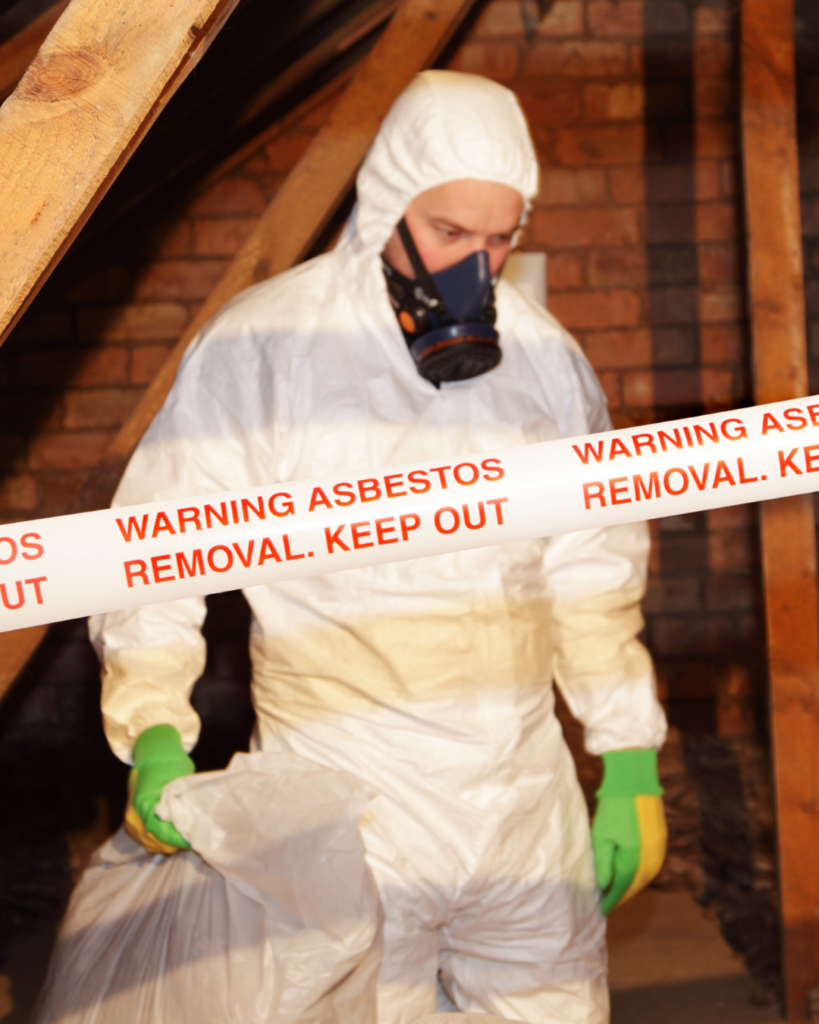
Where Asbestos Is Commonly Found in Older Seattle Rentals
Seattle has many properties built before the 1980s. Asbestos was commonly used in:
Popcorn ceilings
Vinyl floor tiles and mastic
Insulation around pipes and ducts
Drywall joint compound and plaster
Roofing and siding materials
According to public health sources such as Mesothelioma Hope, asbestos fibers become dangerous when airborne and inhaled.
For renovation planning strategies, you can learn more here: Rental Renovation in Seattle
Why Asbestos Is Regulated So Strictly
According to the U.S. Environmental Protection Agency (EPA), inhaling asbestos fibers can increase the risk of lung cancer, mesothelioma, and asbestosis.
https://www.epa.gov/asbestos
According to the CDC / NIOSH, there is no safe level of airborne asbestos exposure.
https://www.cdc.gov/niosh/topics/asbestos/
Because of these health risks, federal, state, and local regulations strictly control how asbestos is handled during renovation and demolition.

Seattle and Washington Asbestos Renovation Requirements
For Seattle rental properties, asbestos renovation must follow government regulations.
According to Seattle Public Utilities and the Puget Sound Clean Air Agency (PSCAA):
Federal, state, and local regulations require that asbestos and other hazardous materials be removed before demolition.
Seattle Public Utilities: https://www.seattle.gov/utilities/construction-resources
PSCAA requires asbestos surveys before renovation or demolition. PS Cleanair
Professional Inspection Is Required
If you are renovating a rental property (not an owner-occupied single-family home), you must hire an AHERA-certified asbestos building inspector to perform a survey before disturbing materials.
Based on PSCAA guidance:
Rental property owners cannot self-certify or skip inspection requirements.
DIY Removal Is Prohibited for Landlords
This is critical.
If you are renovating your rental property or condominium, you must hire a certified asbestos abatement contractor.
DIY removal is illegal for landlords.
According to Puget Sound Clean Air Agency homeowner renovation guidance:
https://pscleanair.gov/
Only owner-occupied single-family homeowners may remove limited asbestos under specific rules. Rental property owners are required to use licensed professionals.
Attempting DIY removal can result in:
Notices of violation
Monetary penalties
Project shutdown
Civil liability exposure
Required Asbestos Abatement Safety Protocols
When asbestos is confirmed in a Seattle rental property, strict procedures apply.
1. Notification Requirements
For demolition projects over certain thresholds, property owners must notify PSCAA in advance — often at least 10 days before starting.
Failure to notify can result in fines.
2. Containment Procedures
Licensed abatement contractors must:
Seal the work area with plastic sheeting
Establish negative air pressure systems
Use HEPA filtration equipment
These steps prevent asbestos fibers from spreading to occupied areas.
3. Wet Removal Methods
Materials must be thoroughly wetted during removal to reduce airborne dust. Dry disturbance is prohibited.
4. Proper Disposal
According to Seattle municipal code and PSCAA guidance, asbestos waste:
Must be sealed in leak-proof containers
Clearly labeled as hazardous material
Transported to authorized disposal facilities
It is illegal to place asbestos in regular trash or recycling.

Tenant Safety Considerations
For occupied rental properties:
Tenants should vacate the affected area during abatement
Work zones must be fully contained
Clearance testing should confirm safe re-occupancy
Professional abatement is not just a legal requirement — it protects tenant health and reduces long-term liability.
Liability and Financial Risk
Violating asbestos regulations can lead to:
Regulatory fines
Stop-work orders
Lawsuits
Insurance complications
According to government environmental agencies, enforcement actions may include civil penalties for improper handling.
This is why asbestos renovation in Seattle is not simply a construction issue — it is a regulatory compliance issue.
Why Many Owners Hire a Professional Property Manager
Most landlords renovate only occasionally. Regulations change. Requirements are detailed. Vendor coordination is complex.
That is why many Seattle owners choose to hire a professional property manager like GPS Renting during renovation planning.
GPS Renting can:
Coordinate certified asbestos inspectors
Ensure licensed abatement contractors are used
Confirm notification requirements are met
Maintain documentation for compliance
Protect tenant communication and safety
Key Takeaway
Managing an asbestos renovation Seattle rental property is about compliance, not panic.
Asbestos becomes dangerous when disturbed improperly. Seattle and Washington regulations require certified inspection, licensed abatement contractors, strict containment procedures, and authorized disposal.
DIY removal is prohibited for rental property owners.
If you want renovation upgrades without legal risk, fines, or tenant safety issues, hiring a professional property manager like GPS Renting can ensure the process is handled correctly from inspection to final clearance.


FAQ's
Do landlords need asbestos testing before renovating a Seattle rental?
- Seattle landlords must obtain an asbestos survey before demolition or renovation of properties built before 1980 if materials will be disturbed, and the survey must be conducted by a certified asbestos inspector.
Is asbestos dangerous if it is not disturbed?
- Asbestos-containing material that is intact and in good condition does not typically pose a health risk, and the danger occurs when it is cut, sanded, drilled, or otherwise disturbed, releasing fibers into the air.
Who regulates asbestos renovation in Seattle?
- Asbestos renovation in Seattle is regulated by the Puget Sound Clean Air Agency and Washington State Department of Labor & Industries, and notification and licensed abatement may be required before demolition begins.
Can a landlord remove asbestos themselves in Washington State?
- In most cases, asbestos removal in rental properties must be performed by a licensed asbestos abatement contractor, and improper removal can result in fines and liability.
What happens if asbestos is disturbed during a rental remodel?
- If asbestos-containing material is disturbed without proper abatement, landlords may face regulatory penalties, cleanup costs, tenant claims, and potential health-related liability.
Are tenants required to be notified about asbestos during renovation?
- If renovation work may disturb asbestos-containing materials in occupied rental housing, landlords may have disclosure and safety obligations depending on project scope and exposure risk.