

Expert Insight from Nick He, Co-Founder of GPS Renting
With years of experience managing single-family rentals across the Greater Seattle area, Nick He has helped hundreds of owners avoid disputes and protect their investments by clearly distinguishing normal wear and tear from tenant-caused damage.
“Landlords run into problems not because tenants are bad, but because expectations aren’t documented. Clear standards and thorough inspection reports protect everyone involved.”
Seattle is one of the most regulated rental markets in the country, which makes understanding the difference between wear and tear and property damage absolutely critical for landlords. This is also one of the most common areas where GPS Renting helps owners stay protected and fully compliant.
Here’s why it matters:
Washington law only allows deposit deductions for damage beyond normal wear and tear under
RCW 59.18.260 – Landlord-Tenant Act: Condition Report and DepositsSeattle rental regulations require detailed move-in condition reports, deposit handling, and documentation under the
Seattle Rental Registration & Inspection Ordinance (RRIO)Tenants are increasingly knowledgeable, meaning disputes can escalate quickly without clear evidence and legally compliant documentation.
Because of these strict legal standards, the line between wear and tear and tenant-caused damage directly affects your legal obligations, the accuracy of deposit returns, and the long-term value of your rental property. GPS Renting ensures landlords remain compliant by providing thorough inspections, detailed photographic documentation, and timely reporting that aligns with Seattle’s requirements.
Key Takeaway
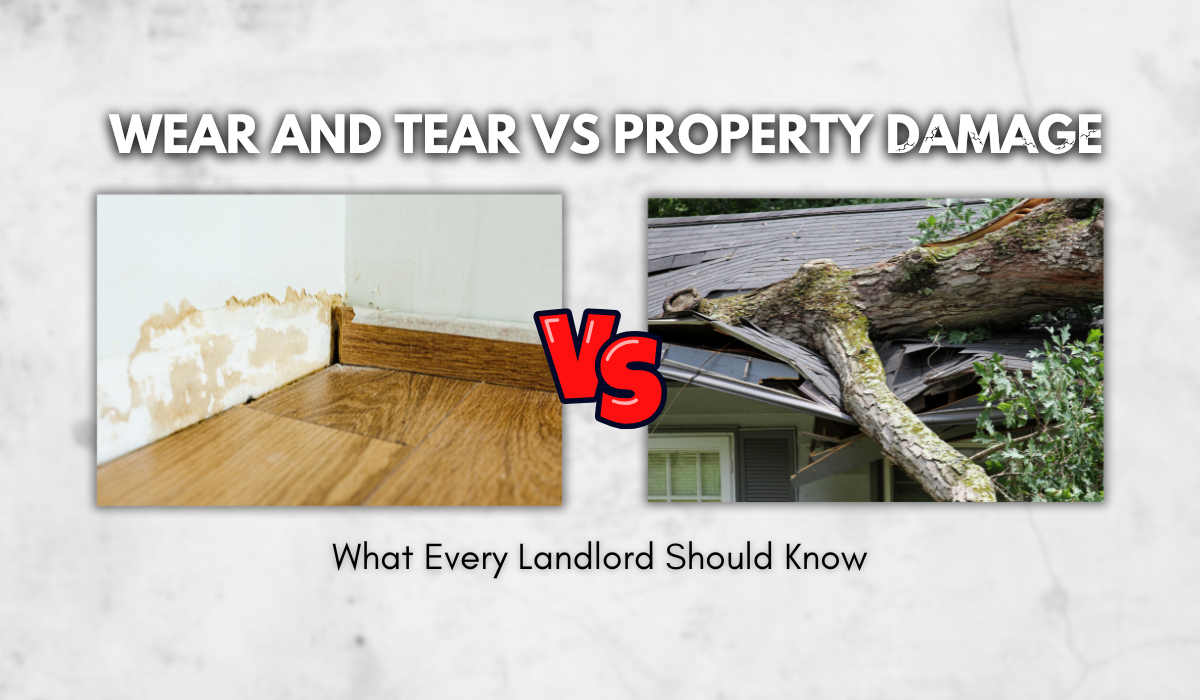
Normal wear and tear is the expected aging of a property due to ordinary use and must be covered by the landlord. Property damage is caused by negligence, misuse, or accidents, and landlords may charge tenants for repair costs. Thorough documentation, accurate inspections, and compliance with Seattle’s rental laws are the keys to avoiding disputes and maintaining positive tenant relationships.
Understanding Normal Wear and Tear
Normal wear and tear is the natural deterioration that occurs over time through everyday living. It is the landlord’s responsibility to repair or refresh, and cannot legally be deducted from the tenant’s security deposit.
Examples of Normal Wear and Tear
| Area | Wear and Tear |
|---|---|
| Walls & Paint | Minor scuffs, faded paint, small nail holes |
| Flooring | Light carpet wear, minor hardwood scratches |
| Appliances | Aging mechanical parts, worn seals |
| Plumbing | Loose handles, minor drips due to age |
| Windows & Doors | Slight sticking or loose locks from long-term use |
For a deeper look at Seattle rental upkeep, see:
Identifying Tenant-Caused Property Damage
Property damage is harm that exceeds normal use and is caused by neglect, accidents, or misuse. This is chargeable to tenants when properly documented.
Examples of Tenant-Caused Damage
| Area | Tenant Damage |
|---|---|
| Walls | Holes larger than nail size, unapproved painting, dents |
| Flooring | Deep scratches, stains, pet urine, burn marks |
| Appliances | Broken handles, cracked glass, misuse |
| Plumbing | Blocked drains from improper use, broken fixtures |
| Windows | Broken glass, torn screens, forced locks |
To understand how deposits must be handled legally in Seattle, review:
How GPS Renting Handles Wear and Tear vs. Damage
At GPS Renting, we use photographic inspections, mid-lease evaluations, and move-out reports to ensure accurate documentation. This protects landlords from disputes and ensures compliance with Seattle’s strict deposit laws.
Our process includes:
High-resolution, timestamped move-in reports
Mid-lease inspections to identify early risks
Move-out comparisons with side-by-side photos
Legal-compliant deposit accounting within 21 days
Transparent communication with tenants to reduce disputes
Learn more about our full property management services at:
https://gpsrenting.com
Common Disputes and How to Prevent Them
| Issue | Cause | Prevention |
|---|---|---|
| Tenants claim damage was pre-existing | Poor documentation | Detailed, signed move-in reports |
| Owner charges for paint | Normal wear | Follow Seattle repainting standards |
| Pet-related damage | Lack of screening | Proper pet fees and pet agreements |
| Water damage | Tenant neglect | Mid-lease inspections; maintenance reminders |
See more on common rental challenges:
FAQs About Wear and Tear vs. Property Damage
1. Who decides what counts as wear and tear?
Washington courts use a “reasonable usage” standard based on tenant occupancy and length of stay.
2. Can landlords charge for cleaning?
Yes, but only for cleaning beyond normal use — not routine dust or minor debris.
3. What if tenants dispute deductions?
Provide documentation. If unresolved, mediation or small claims court may be required.
4. How often should landlords inspect?
We recommend at least one mid-lease inspection yearly in addition to move-in and move-out checks.
“Clear documentation prevents conflict. When both landlords and tenants understand what’s expected, the entire rental experience is smoother, fairer, and more professional.”
Expert Insight from Nick He, Co-Founder of GPS Renting
“Clear documentation prevents conflict. When both landlords and tenants understand what’s expected, the entire rental experience is smoother, fairer, and more professional.”
Final Thoughts
Understanding the distinction between normal wear and tear and tenant-caused damage is crucial for Seattle landlords operating in a highly regulated environment. Proper documentation, legal compliance, and clear standards not only protect your investment but also create positive relationships with long-term, responsible tenants.
For Seattle property owners who want to stay compliant while preserving property value, GPS Renting provides transparent, reliable, and legally compliant inspection and management services.
Protect Your Rental Property With Expert Management
GPS Renting helps Seattle landlords avoid legal mistakes, reduce disputes, and maintain their rental properties with professional, honest, and kind service.
If you want a stress-free, fully compliant inspection and deposit process, we’re here to help.
Learn more about our services: https://gpsrenting.com