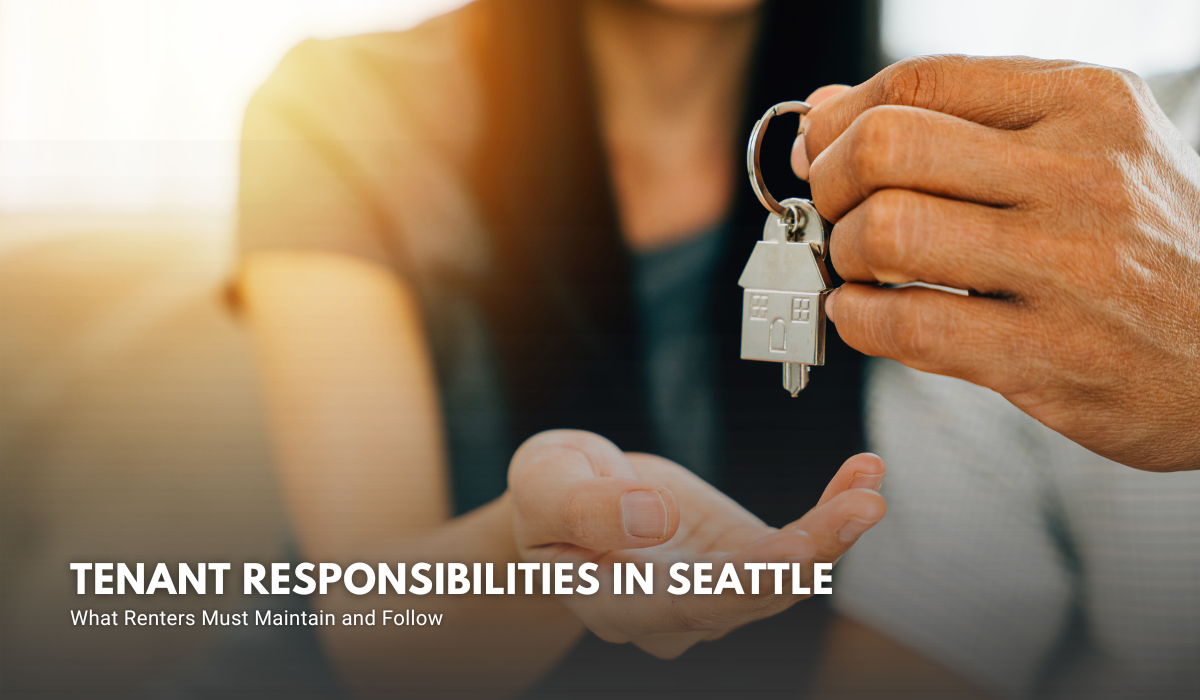
Tenants in Seattle have strong legal protections, but they also have clear responsibilities. Renters are expected to maintain the property, follow lease terms, and cooperate with lawful property management practices.
In general, Seattle tenants must pay rent on time, maintain the unit in a clean and sanitary condition, avoid damaging the property, and notify the landlord when repairs are needed.
Understanding these responsibilities helps prevent disputes, protects the property, and supports a better rental experience for both renters and property owners. To learn more about the overall legal framework that governs rental housing in the city, visit the Seattle landlord-tenant law guide.
According to the Washington Residential Landlord-Tenant Act, tenants must keep the premises as clean and sanitary as conditions permit and use fixtures properly.
Key Takeaway
Tenant responsibilities in Seattle extend beyond simply paying rent. Renters must maintain the property, follow lease terms, report maintenance issues, use fixtures properly, and return the home in good condition at the end of the tenancy. When tenants understand these responsibilities and communicate with landlords early when issues arise, rental housing tends to operate more smoothly and with fewer disputes.
Paying Rent and Utilities on Time
One of the primary tenant responsibilities is paying rent according to the lease agreement. If utilities such as electricity, water, or garbage service are assigned to the tenant under the lease, those payments must also be made on time.
Late or missed payments can lead to notices, fees, or legal action depending on the situation and applicable laws.
Seattle also has specific tenant protections related to rent changes. For example, landlords must provide 180 days’ notice before increasing rent under Seattle regulations. According to Seattle housing guidelines
Maintaining Clean and Sanitary Living Conditions
Tenants must keep the rental unit reasonably clean and sanitary throughout the tenancy. This includes routine housekeeping that prevents health or safety problems.
Typical responsibilities include:
- Properly disposing of garbage
- Keeping kitchens and bathrooms clean
- Preventing food buildup that attracts pests
- Maintaining reasonable indoor sanitation
Seattle’s damp climate also makes ventilation and moisture control important for tenants. Running bathroom fans, opening windows when appropriate, and preventing moisture buildup can help reduce mold risks.
Proper Use of Plumbing, Electrical Systems, and Appliances
Tenants must use plumbing, electrical fixtures, heating systems, and appliances in a reasonable and safe way.
Examples include:
- Not flushing improper items down toilets
- Using garbage disposals correctly
- Avoiding overloaded electrical outlets
- Operating appliances according to their intended use
Improper use that damages the property may result in repair charges.
Seattle tenant education resources explain that renters must use housing facilities in a way that prevents unnecessary damage to the property.
Preventing Damage to the Property
Tenants must avoid causing intentional or negligent damage to the rental property.
Examples include:
- Breaking windows or fixtures
- Damaging walls or flooring
- Altering the unit without permission
- Allowing guests or pets to damage the property
Normal wear and tear is expected, but damage beyond typical use may result in repair charges deducted from the security deposit.
The Washington State Attorney General provides guidance on tenant responsibilities regarding property damage.
Based on guidance from the Washington Attorney General’s Office:
https://www.atg.wa.gov/landlord-tenant
Reporting Repairs and Maintenance Issues
Tenants are responsible for notifying the landlord when repairs are needed. Reporting problems early can help prevent small issues from turning into larger and more expensive repairs.
Examples of issues that should be reported include:
- Water leaks
- Plumbing failure
- Electrical problems
- Heating system issues
- Structural damage
Seattle housing guidance encourages tenants to notify landlords promptly when maintenance problems occur.
Following Lease Terms and Community Rules
Tenants must follow all lease terms and any lawful community rules established by the property owner or housing provider.
These rules may include:
- Occupancy limits
- Pet policies
- Noise expectations
- Parking rules
- Subleasing restrictions
Subletting a rental unit without permission or violating lease terms can lead to legal notices or other enforcement actions.
To learn more about what legally belongs in a rental agreement, see what must be included in a lease agreement.
Allowing Landlord Access with Proper Notice
Tenants have privacy rights, but they must allow landlords to enter the unit with proper notice for lawful reasons such as repairs, inspections, or property showings.
In Washington State, landlords must generally provide at least one to two days of notice before entering a rental unit, except in emergencies.
Safety Responsibilities
Tenants must also maintain basic safety features in the home.
Typical responsibilities include:
- Replacing smoke detector batteries when needed
- Not disabling safety devices
- Maintaining clear exits and pathways
- Using appliances safely
Seattle requires working smoke and carbon monoxide alarms in residential housing to protect occupants.
According to the Seattle Fire Department
To learn more about local safety requirements, read Seattle smoke and carbon monoxide detector requirements.
Move-Out Responsibilities
When a tenancy ends, tenants must return the rental unit in a condition similar to how it was received, except for normal wear and tear.
Move-out responsibilities typically include:
- Removing personal belongings
- Cleaning the property
- Returning keys and access devices
- Avoiding damage beyond ordinary use
These steps help ensure the security deposit can be processed properly.
To learn more about move-out expectations, see moving out guide Seattle renters.
Prohibited Activities in Rental Housing
Certain actions are prohibited in Seattle rental housing and may violate both lease agreements and local law.
Examples include:
- Engaging in drug or gang-related activity
- Intentionally damaging the property
- Allowing garbage or hazardous waste to accumulate
- Subletting without permission
Housing providers may take legal action if these violations occur.
Important Local Rental Rules in Seattle
Seattle has several unique housing regulations that affect tenants and landlords.
Rental Registration and Inspection Ordinance (RRIO)
- Seattle requires rental properties to be registered and periodically inspected under the Rental Registration and Inspection Ordinance (RRIO) to ensure housing safety standards.
Just Cause Eviction Ordinance
- Seattle’s Just Cause Eviction Ordinance means landlords must have a legally recognized reason before terminating a tenancy.
Rent Increase Notice Requirements
- Seattle landlords must provide 180 days’ written notice before increasing rent.
Move-In Fees and Deposits
- Seattle regulations also limit and structure how move-in fees and deposits can be charged and often allow installment payment options.
Frequently Asked Questions About Tenant Responsibilities in Seattle
What responsibilities do tenants have in Seattle rental housing?
Tenants in Seattle are responsible for paying rent on time, maintaining the rental unit in a clean and sanitary condition, using appliances and plumbing properly, and following the terms of their lease agreement. Tenants must also report maintenance issues promptly and avoid damaging the property. These responsibilities are outlined in the Washington Residential Landlord-Tenant Act and local Seattle housing regulations.
Are tenants responsible for repairs in Seattle?
Tenants are generally responsible for minor maintenance tasks such as replacing light bulbs, replacing smoke detector batteries, and maintaining cleanliness in the unit. However, landlords are typically responsible for major repairs that affect habitability, such as heating systems, structural problems, plumbing failures, or electrical issues.
What happens if a tenant damages a rental property?
If a tenant or their guests cause damage beyond normal wear and tear, the tenant may be responsible for the repair costs. Landlords may deduct the cost of repairs from the security deposit or pursue additional charges if damages exceed the deposit amount.
To learn more about how damage is evaluated, see Wear and tear vs property damage
Can a landlord enter a rental unit in Seattle?
Yes, but landlords must provide proper notice before entering the unit except in emergencies. Under Washington law, landlords typically must provide at least one to two days’ notice before entering for repairs, inspections, or other lawful reasons.
What should tenants do if something in the rental property breaks?
Tenants should notify the landlord or property manager as soon as possible when repairs are needed. Prompt reporting helps prevent further damage and allows the landlord to address the issue quickly.
Do tenants have to clean the unit before moving out?
Yes. Tenants must return the rental unit in a condition similar to how it was received, except for normal wear and tear. This typically includes removing personal belongings, cleaning the property, and returning keys.