
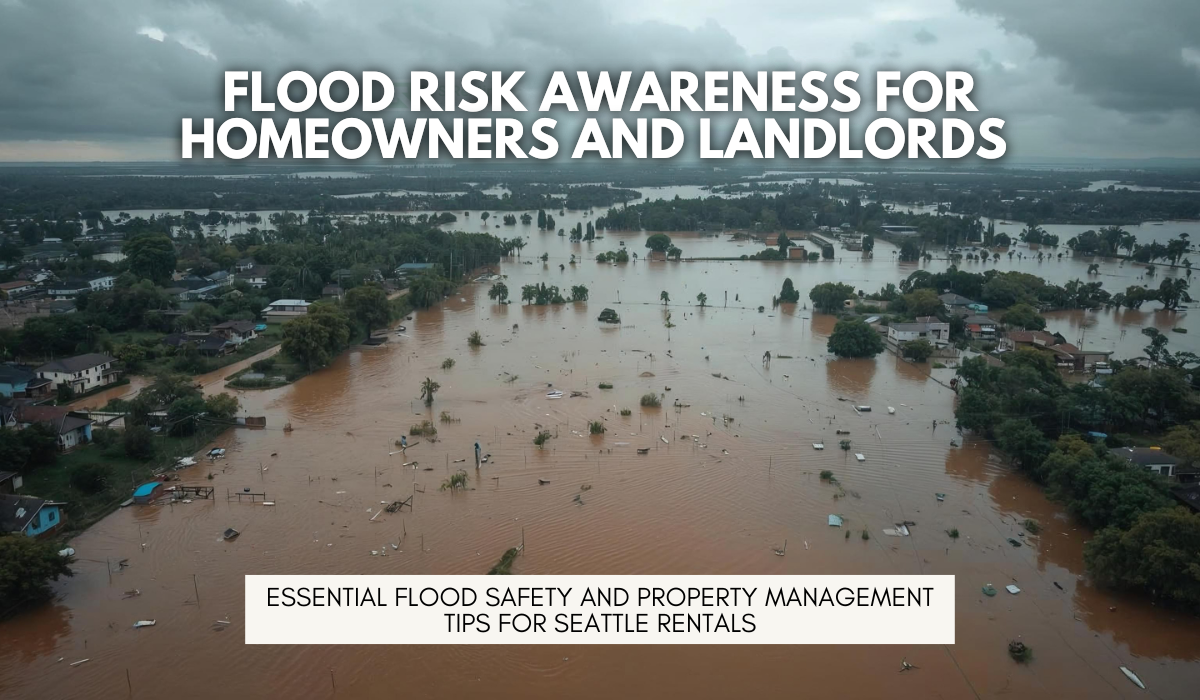
Seattle flood risk rental property management starts with recognizing that flooding is not only a weather issue, it is a resident safety and asset protection issue that affects maintenance costs, vacancy risk, and long-term property value.
According to KING 5, a fatal incident occurred after a vehicle entered a flooded roadway in Snohomish County, showing how quickly flood conditions can become life threatening:
https://www.king5.com/article/news/local/man-drowns-after-driving-car-onto-flooded-road-snohomish-county/281-62d94971-e1c2-4b88-a1c5-a5a463d71716
Based on reporting from MyNorthwest, widespread flooding and overwhelmed infrastructure contributed to dangerous conditions in low-lying areas across the county:
https://mynorthwest.com/local/wa-flooding-fatality-snohomish-county/4174199
According to FOX Weather, parts of Washington experienced historic inundation and related impacts, reinforcing why property owners should plan for severe rainfall events:
https://www.foxweather.com/weather-news/one-person-killed-after-drowning-flooded-road-amid-historic-inundation-levee-failures-across-washington
If you own or are buying rentals in the Greater Seattle area, the goal is simple: reduce flood exposure, reduce water damage, and reduce emergency response risk for residents.
Why flood risk matters in property management
Flood risk directly affects:
Resident safety and habitability during heavy rainfall events
Repair frequency and cost (water intrusion often leads to recurring issues)
Insurance requirements and claim risk depending on the property’s flood exposure
Vacancy risk after damage, remediation, or extended repair timelines
Owner time and stress if emergencies are not handled quickly and professionally
If you want a baseline framework for seasonal planning, GPS Renting’s guide on rental upkeep is a helpful companion resource:
Learn more: https://gpsrenting.com/seattle-seasonal-rental-maintenance-tips/
How to choose a property that is less prone to flooding
Use a layered approach. One data source rarely tells the whole story.
1. Check flood maps and local flood resources
Start with authoritative map sources to understand the property’s baseline risk. According to FEMA, Flood Insurance Rate Maps (FIRMs) help identify flood hazard areas and are commonly used to determine flood insurance needs:
https://www.fema.gov/flood-maps
You can also review state level floodplain and water resources information. According to Washington State Department of Ecology, floodplain management is a key part of reducing risk to people and property:
https://ecology.wa.gov/water-shorelines/floodplains
2. Evaluate elevation and drainage patterns
Even within the same neighborhood, two blocks can perform very differently in heavy rain. When reviewing a property:
Look for positive grading (ground slopes away from the foundation)
Avoid lots that funnel runoff toward the home
Note nearby creeks, culverts, retention ponds, and low points in the street
3. Look for repeat water indicators in the building
Water intrusion often leaves clues. During due diligence and inspections, look for:
Water staining on ceilings or walls
Musty odor, warped baseboards, or bubbling paint
Evidence of repeated “patch” repairs
If you see staining, address it early and correctly. This guide can help owners understand common causes and fixes:
Learn more: https://gpsrenting.com/how-to-fix-ceiling-water-stains-a-practical-guide-for-seattle-homes/
Flood prevention checklist for rental properties
Below is a practical plan landlords can implement before the rainy season.
Quick prevention steps (high impact, low effort)
Clear gutters and confirm downspouts drain away from the foundation
Confirm yard grading slopes away from the home
Remove debris that blocks drains, walkways, and exterior stair paths
Seal obvious exterior gaps where water can intrude (around penetrations and vents)
Confirm tenants know how to report urgent water leaks quickly
For resident safety planning and communication, this preparedness resource is a strong reference:
Learn more: https://gpsrenting.com/seattle-landlords-emergency-preparedness-guide/
Flood risk table for landlords
| Risk area | What to check | Why it matters | Best time to verify |
|---|---|---|---|
| Flood zone exposure | FEMA map zone status | Impacts insurance and baseline risk | Before purchase and before leasing |
| Site drainage | Grading, pooling, runoff direction | Prevents repeated intrusion and foundation stress | Before rainy season |
| Roof and exterior | Flashing, vents, siding gaps | Common entry points for wind-driven rain | Fall inspection |
| Interior indicators | Stains, odors, warped materials | Early warning of hidden moisture issues | Every inspection cycle |
| Emergency readiness | Contact steps and vendor plan | Reduces damage and downtime | Before winter storms |
FAQs
How do I know if a Seattle area rental is in a flood zone?
The fastest starting point is FEMA Flood Insurance Rate Maps. These maps help identify flood hazard areas and are often used to guide insurance requirements and risk planning. If the map suggests elevated risk, a local expert review and inspection are worth the extra step.
Should landlords require flood insurance?
It depends on the property’s flood exposure and the owner’s risk tolerance. Some properties may not be required to carry flood insurance, but owners may still choose it as protection against rare, high-cost events. Reviewing FEMA map data and discussing coverage with an insurance professional is a good baseline.
What’s the most common “early sign” of water intrusion?
Ceiling or wall staining and recurring paint bubbling are common early signals that water is getting in somewhere. The key is finding the source rather than repeatedly covering the symptom, because hidden moisture can turn into bigger repairs later.
How can property managers reduce damage during severe weather?
A strong plan includes preventive maintenance, fast tenant communication, vendor readiness, and clear emergency workflows. When response is coordinated quickly, owners typically face less damage, less downtime, and fewer resident disruptions.
What should I tell tenants during heavy rain events?
Keep it simple and safety-focused: avoid flooded roads and standing water, report leaks immediately, and follow the home’s emergency steps. A written process reduces confusion when weather changes fast.
Professional Property Management in Seattle
If you want help implementing these steps and reducing risk across your portfolio, GPS Renting provides professional property management in Seattle and the surrounding area, with proactive maintenance planning, resident communication processes, and emergency coordination.
Learn more on our homepage: https://gpsrenting.com/