

Seattle’s fall isn’t just about colorful leaves and crisp nights — it’s the beginning of the Pacific Northwest’s wettest season. Between October and March, Seattle averages 37–40 inches of rainfall according to the City of Seattle, with November consistently the wettest month. For landlords, that means one thing: risk.
Water intrusion is one of the most common causes of home damage during Seattle’s rainy season. In fact, King County reports that flood-related damage is among the top three insurance claims for homeowners each fall. For property owners, that translates to:
Thousands in repair costs from leaks, mold, and flooding.
Angry tenants filing complaints or withholding rent.
Legal exposure under Seattle’s strict landlord-tenant code if heating, safety, or maintenance obligations aren’t met.
At GPS Renting, we’ve managed over 600 Seattle rentals through decades of rainy seasons, and we’ve seen how one missed fall checklist can spiral into emergencies, compliance issues, and lost rental income. The good news? With a proactive plan, you can avoid those costly mistakes.
Here’s the ultimate Seattle Fall 2025 rental maintenance checklist to protect your investment, comply with Seattle laws, and keep tenants safe and satisfied.
Key Takeaway
Seattle’s fall rainy season brings heavy rain, flooding risks, sudden cold snaps, and higher tenant demands — but landlords who follow a proactive fall maintenance checklist can avoid costly water damage, prevent emergencies, and stay fully compliant with Seattle’s strict rental laws. By investing a few hundred dollars in prevention now, landlords can save thousands later, protect tenant safety, and keep rental income steady all winter. The smartest move is to prepare before the storms hit, and professional property management makes that process seamless.
1. Roof & Gutter Protection – First Line of Defense
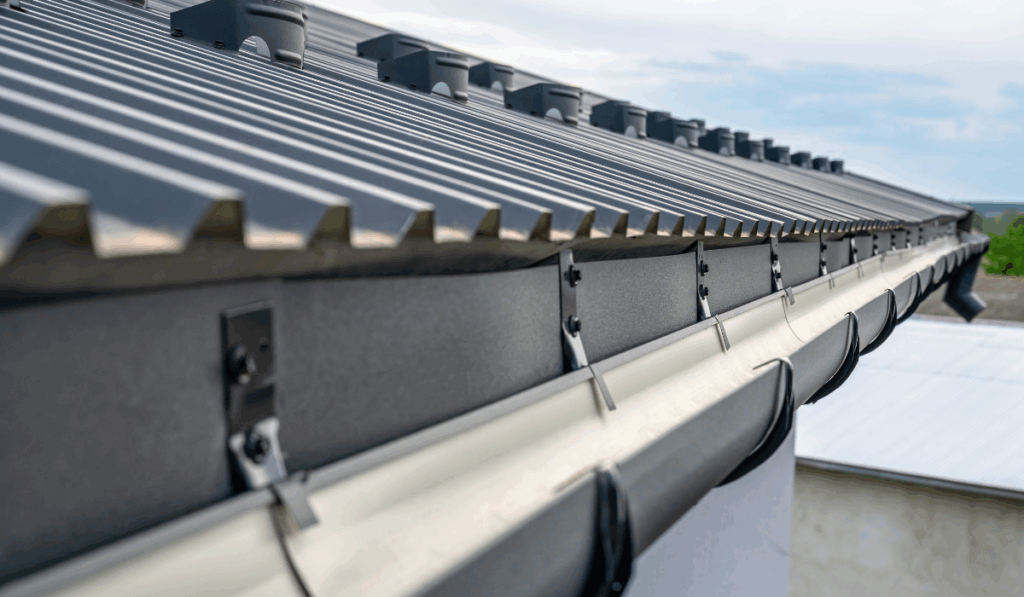
Clogged gutters are one of the most common (and preventable) causes of water damage in Seattle rentals. One overflowing gutter can lead to leaks, soaked drywall, and furious tenants demanding immediate fixes.
Action Steps:
Clean gutters and downspouts: The City of Seattle warns that ignoring gutter cleaning before October rains can cause avoidable flooding.
Inspect roofs for leaks: Missing shingles or cracked flashing are often revealed by the season’s first windstorm.
Moss treatment: Moss thrives in damp Seattle weather, shortening roof life.
Trim overhanging branches: Prevents debris buildup and roof damage during storms.
Skipping this step could mean $5,000–$10,000 in water intrusion repairs, compared to a $200–$400 preventive cleaning.
2. Drainage & Foundation – Protect Against Flooding
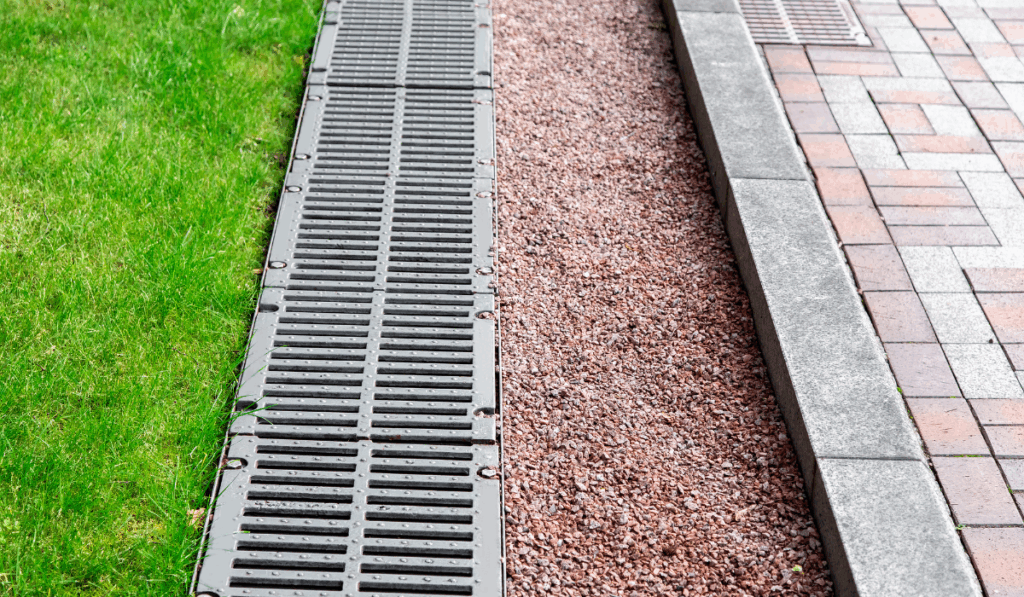
Seattle’s sloped lots and clay-heavy soil make basements and crawlspaces prone to flooding. Once water seeps in, landlords face mold remediation costs averaging $2,500–$6,000, plus potential habitability disputes with tenants.
Action Steps:
Check grading so water flows away from the foundation.
Clear drains and sump pumps clogged by fall leaves.
Seal foundation cracks before November rains intensify.
Inspect crawlspaces for dampness or standing water.
King County’s Flood Preparedness Guide highlights November as the peak storm month. GPS Renting has prevented costly claims by ensuring drains and sump pumps are cleared before storms hit.
3. Heating & Safety Systems – Stay Compliant, Avoid Tenant Complaints
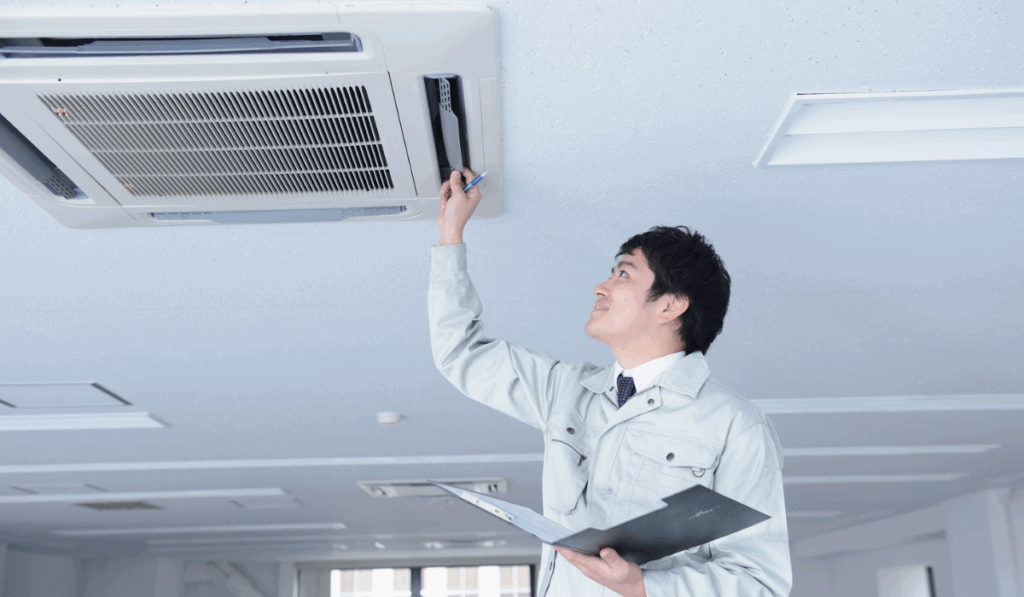
Seattle landlords are legally required to provide working heat. A broken furnace during a cold snap can quickly escalate into code violations, emergency repair bills, and rent disputes.
Action Steps:
Service furnaces or heat pumps before tenants switch them on full-time.
Replace HVAC filters to improve efficiency and tenant comfort.
Test smoke and CO detectors — Seattle law requires functioning detectors.
Inspect fireplaces and chimneys for safety.
In winter 2023, GPS Renting prevented 30+ emergency heating calls by scheduling pre-season tune-ups — saving landlords an average of $500 per unit in reactive repair costs.
Learn more about compliance in our Seattle Landlord-Tenant Law Guide.
4. Exterior & Landscaping – Reduce Liability Risks

Wet leaves and dark pathways are more than messy — they’re liability traps. Slip-and-fall claims are one of the most common rental-related insurance cases in Seattle during the fall.
Action Steps:
Prune trees and shrubs to prevent storm damage.
Rake leaves regularly to avoid slippery walkways.
Check exterior lighting as days get shorter.
Secure outdoor furniture in shared spaces.
One Seattle landlord faced a $15,000 liability claim after a tenant guest slipped on wet leaves — a risk that regular fall cleanup could have prevented.
5. Windows, Doors & Weatherproofing – Stop Drafts, Lower Bills
Drafty windows and doors lead to higher utility costs, which tenants notice quickly. In Seattle’s competitive rental market, complaints about high heating bills can increase turnover.
Action Steps:
Inspect and replace caulking or weatherstripping.
Seal leaks around windows and doors.
Add storm windows if available.
Puget Sound Energy reports that effective weatherproofing can reduce heating costs by 20% annually — a win for both landlords and tenants.
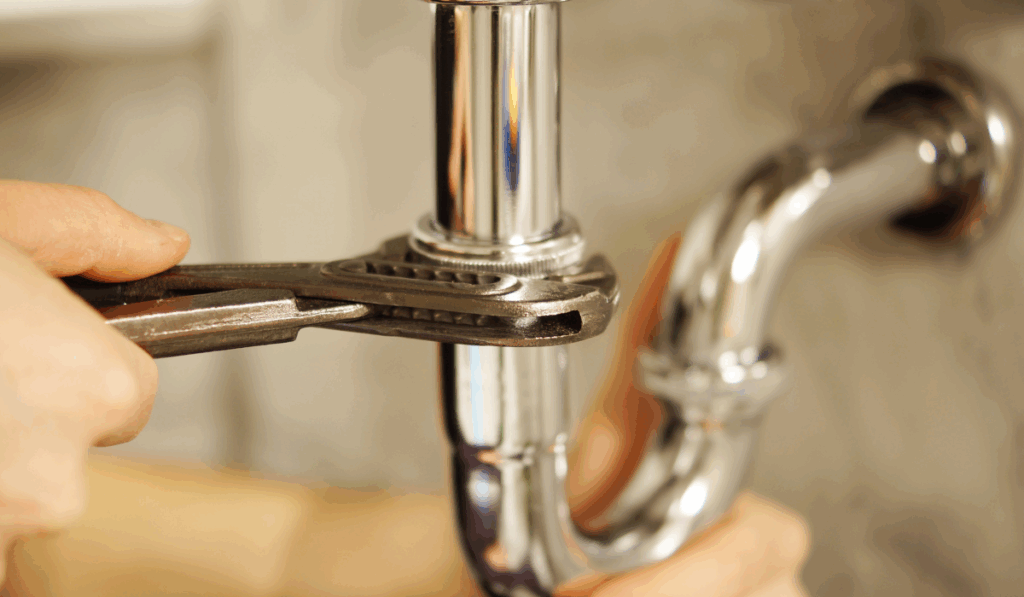
6. Plumbing & Cold-Weather Prep – Avoid Burst Pipe Emergencies
Drafty windows and doors lead to higher utility costs, which tenants notice quickly. In Seattle’s competitive rental market, complaints about high heating bills can increase turnover.
Action Steps:
Inspect and replace caulking or weatherstripping.
Seal leaks around windows and doors.
Add storm windows if available.
Puget Sound Energy reports that effective weatherproofing can reduce heating costs by 20% annually — a win for both landlords and tenants.
7. Tenant Communication – Reduce Emergencies, Build Trust

Many emergencies stem from tenants not knowing what to do — or not reporting small problems until it’s too late. Poor communication leads to after-hours calls, higher repair costs, and frustrated tenants.
Action Steps:
Send seasonal reminders about reporting leaks, clearing patios, and not blocking vents.
Provide emergency contact info clearly.
Schedule preventive inspections with proper legal notice.
Our Resident Move-In Guide helps set tenant expectations early, reducing misunderstandings and emergencies.
Cost Comparison: Prevention vs. Emergency
| Maintenance Step | Preventive Cost | Emergency Repair Cost |
|---|---|---|
| Gutter cleaning | $200–$400 | $5,000–$10,000 (water damage) |
| Furnace tune-up | $150–$300 | $1,000–$3,500 (emergency repair/replacement) |
| Pipe insulation | $100–$250 | $10,000+ (burst pipe + tenant relocation) |
| Leaf cleanup & lighting | $150–$300 | $15,000 (liability claim) |
| Weatherproofing (windows/doors) | $200–$600 | Higher tenant turnover + legal disputes |
Prevention is always cheaper — and keeps tenants happy.
At GPS Renting, we’ve helped landlords across Seattle prevent these pain points year after year. Our proactive maintenance approach protects your property, keeps tenants happy, and ensures steady income.
Request Your Free Rental Analysis Today — and let us take seasonal maintenance off your plate before the storms hit.
Prevention is always cheaper — and keeps tenants happy.