
At GPS Renting, we’ve seen firsthand how Seattle’s short-term rental market has shifted over the past few years.
If you own a short-term rental in the Seattle area, you have probably felt the shift. The STR boom during COVID rewarded almost any decent home with strong demand. In 2026, the market is more competitive. Guests have more choices, operating costs are higher, and many owners are comparing STR income volatility to the stability of a long-term rental.
This is where the “wow factor” becomes a real business advantage, not just a design preference.
If you are deciding whether to stay short-term or switch to long-term, this guide will help you evaluate that decision using real performance signals, not guesswork.
(If you want a deeper breakdown on the strategy choice, start here: long term vs short-term rental)
It All Started with a Walk on Camano Island
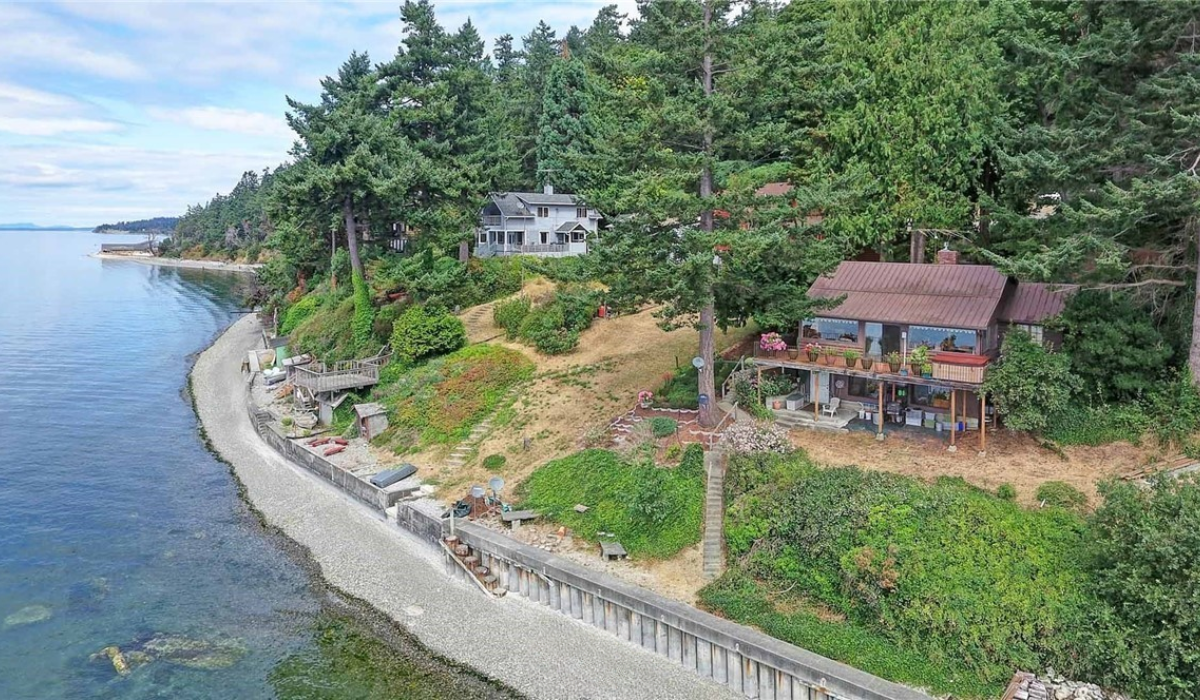
It began with a walk on the beach. My husband Bryan and I were on Camano Island, a serene stretch of coastline just north of Seattle, where we’d often camp and dream.
That day, we watched a woman kayaking on the glassy waters of Puget Sound. It was peaceful. Beautiful. And we turned to each other and said, “One day, it would be amazing to have a place here.”
Years later, that dream came true. We bought a home nestled between two state parks. We planted oysters on the beach. Watched bald eagles overhead. Built fires under the stars. And soon after, we opened our doors as an Airbnb.
“We didn’t just open a short-term rental, we shared a way of living.”
We did a big remodel and put our love into the place
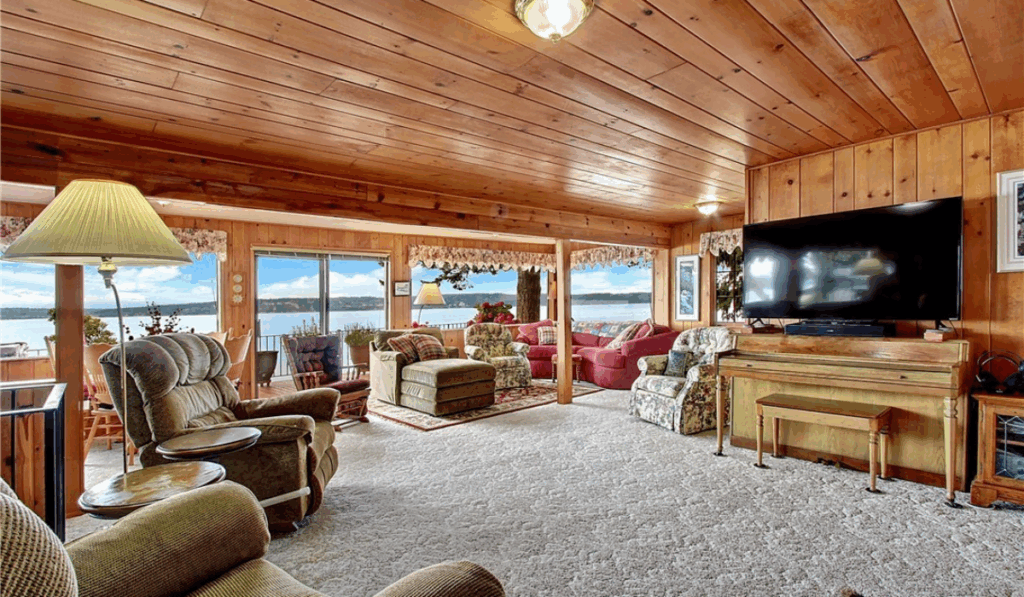
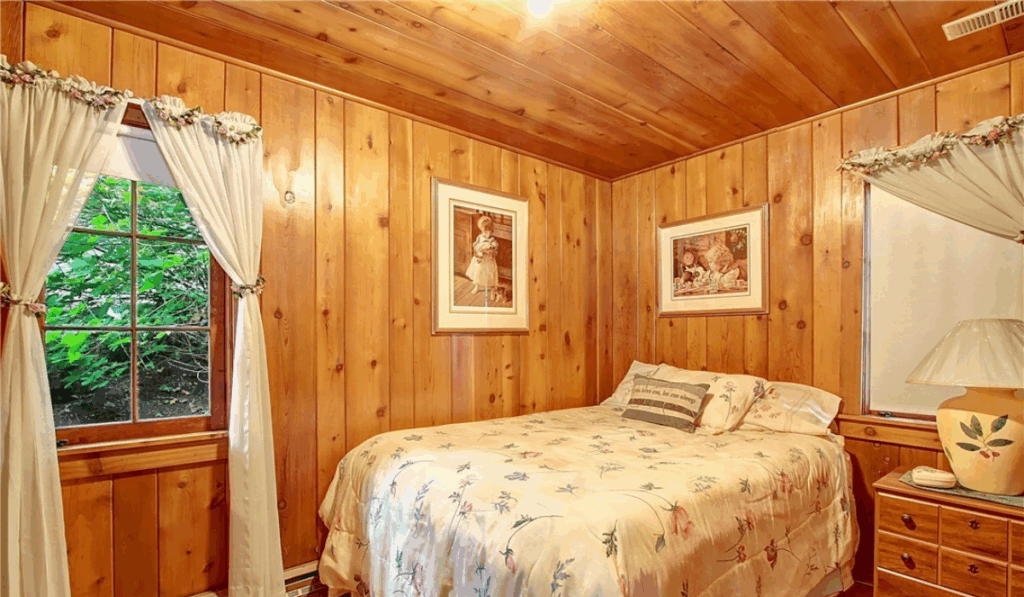
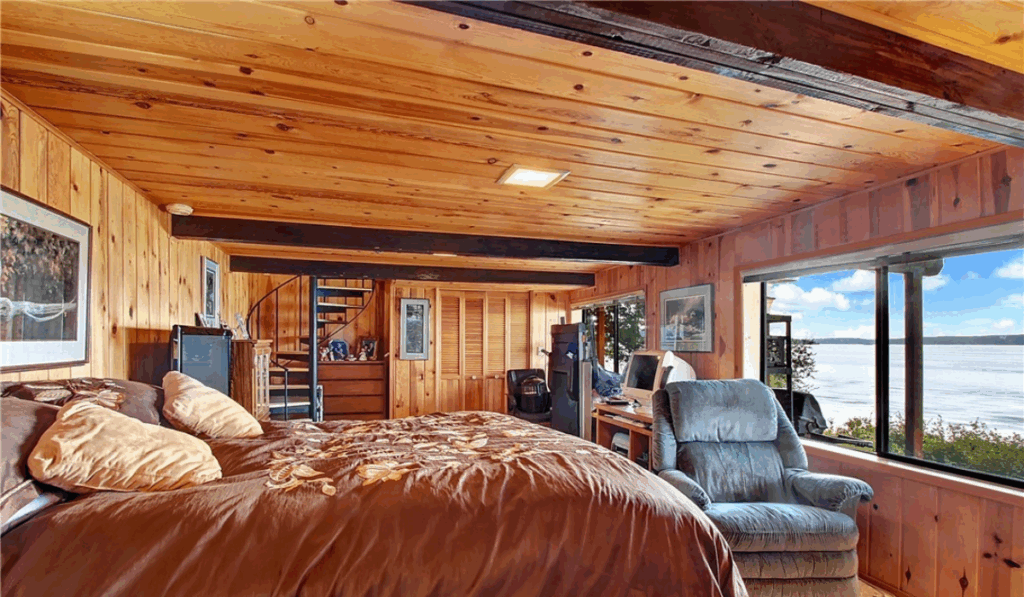
Before Photos
- Charming waterfront living room with wood-paneled walls and ceiling, cozy carpet, ample seating, large TV, and stunning panoramic Puget Sound views, perfect for relaxing or entertaining
- Rustic bedroom with wood-paneled walls, soft lighting, and a cozy atmosphere
- Warm-toned bedroom with wood-paneled walls and a plush bed
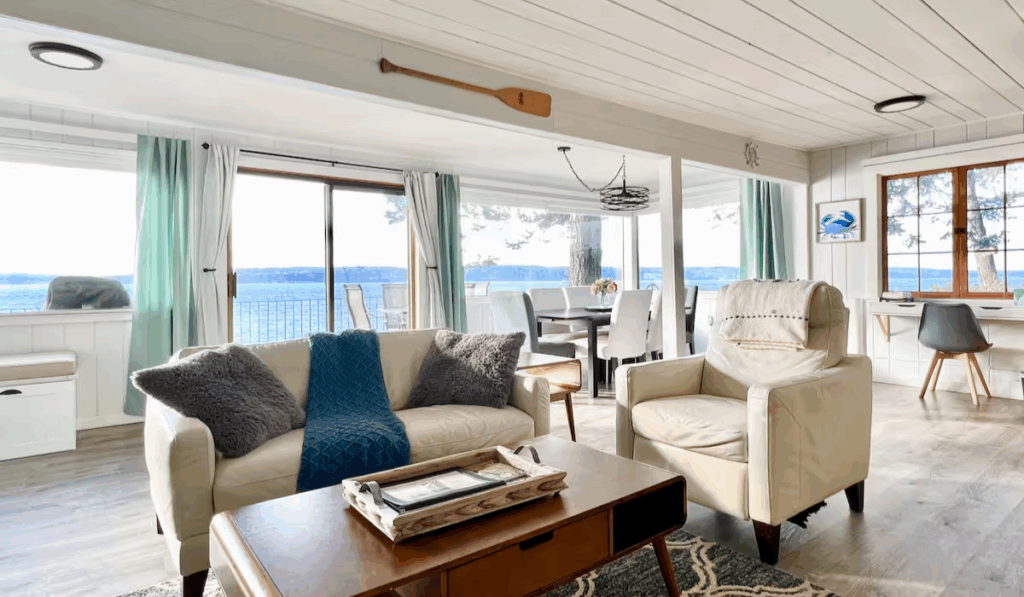
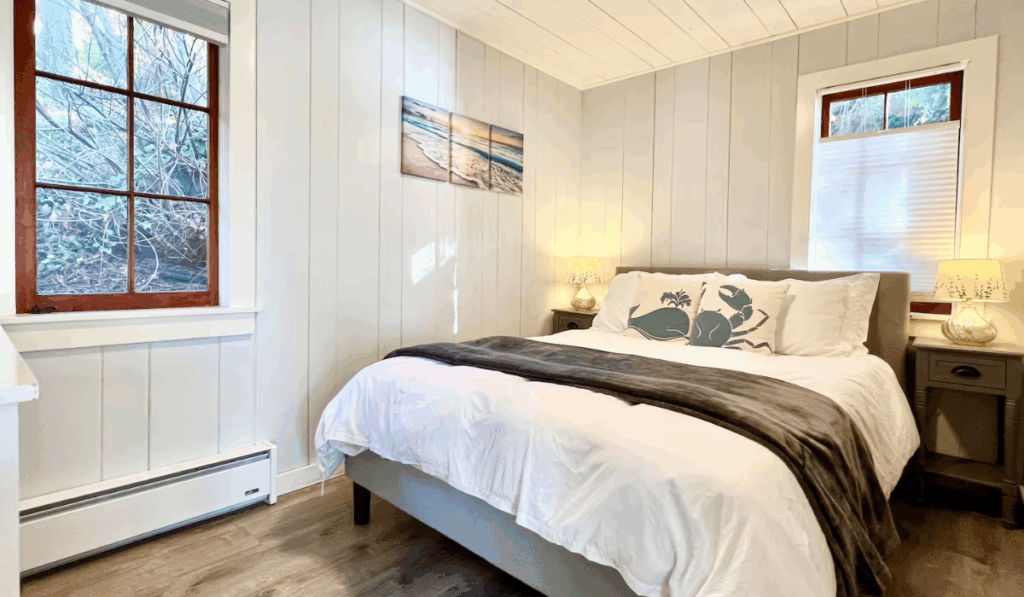
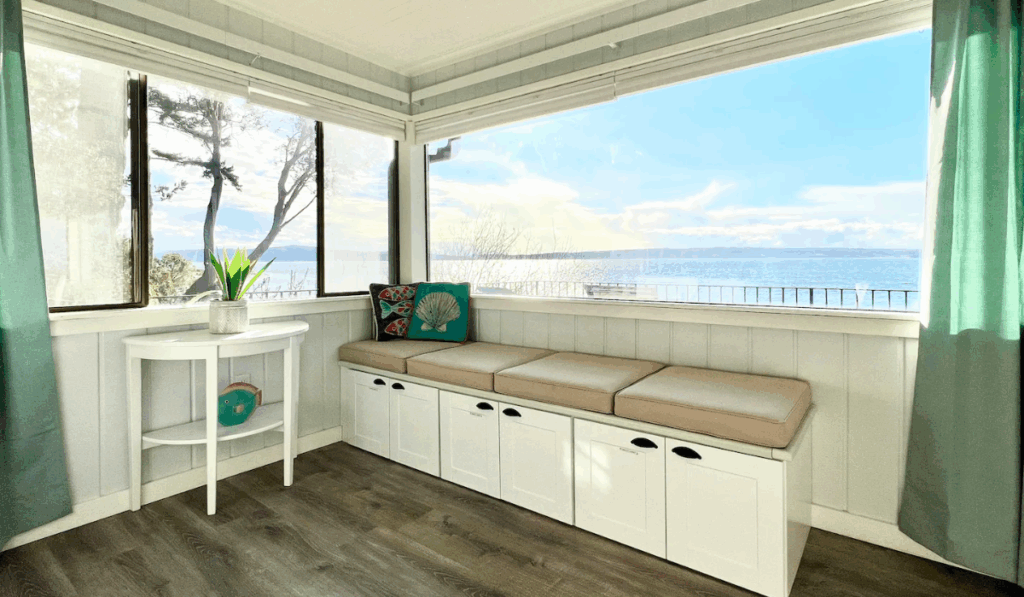
After Photos
- Open-concept living and dining area with modern furnishings and ocean views
- Cozy bedroom with a double bed, large window, and soft white decor
- Bright corner room with large windows offering an ocean view and built-in bench seating
The Airbnb Boom During COVID
When COVID-19 hit, something shifted. Travel didn’t disappear—it changed.
Hotels emptied, cities locked down, and suddenly everyone wanted space, quiet, and nature. Short-term rentals skyrocketed in places like:
- Seattle’s outskirts – cabins in Leavenworth, beach homes on Whidbey Island
- Maui – waterfront condos with full kitchens
- Florida – sun-drenched houses with private pools
It was a short-term rental gold rush. Almost anyone with a second home—or even just a spare bedroom—listed it online.
But then the market changed.
The market rebalanced and many hosts struggled
As travel normalized, the flood of STR listings turned into oversupply in many markets. Bookings dropped. Prices softened. Cleaning and management costs climbed. Some STRs started to sit vacant.
Now many owners are shifting back to long-term rentals, chasing stability over volatility.
“They forgot: a short-term rental is not just a home, it must be an experience.”
The performance signals owners should track in 2026
This is the part most STR owners miss. If you want to make a smart decision, look at your actual property performance over the last 90 days and compare it to what a long-term rental would realistically produce.
Here are the specific metrics that matter:
1) Occupancy trend
What is your average occupancy rate over the last 30, 60, and 90 days?
Is the trend moving up, flat, or down?
Add your number here:
“Over the last 90 days, our occupancy averaged __% and trended __.”
2) Average daily rate and discounting
Are you maintaining your target nightly rate?
Or are you discounting heavily to stay booked?
Add your number here:
“Our average nightly rate is $__ and we have increased discounts by __%.”
3) Net income after real operating costs
Most owners calculate STR income incorrectly because they skip the hidden costs.
Include:
Cleaning
Restocking
Turnover coordination
Maintenance spikes
Utilities
Platform fees
Management time or management fee
Add your number here:
“Our net income after expenses averaged $__ per month.”
4) Review velocity and conversion
If your home is not getting new reviews consistently, it becomes harder to win bookings without cutting price.
Add your number here:
“We average __ reviews per month with a __ star rating.”
Why the ‘Wow Factor’ Matters More Than Ever
Hotels offer consistent beds, pools, spas, and service. A short-term rental needs to stand out.
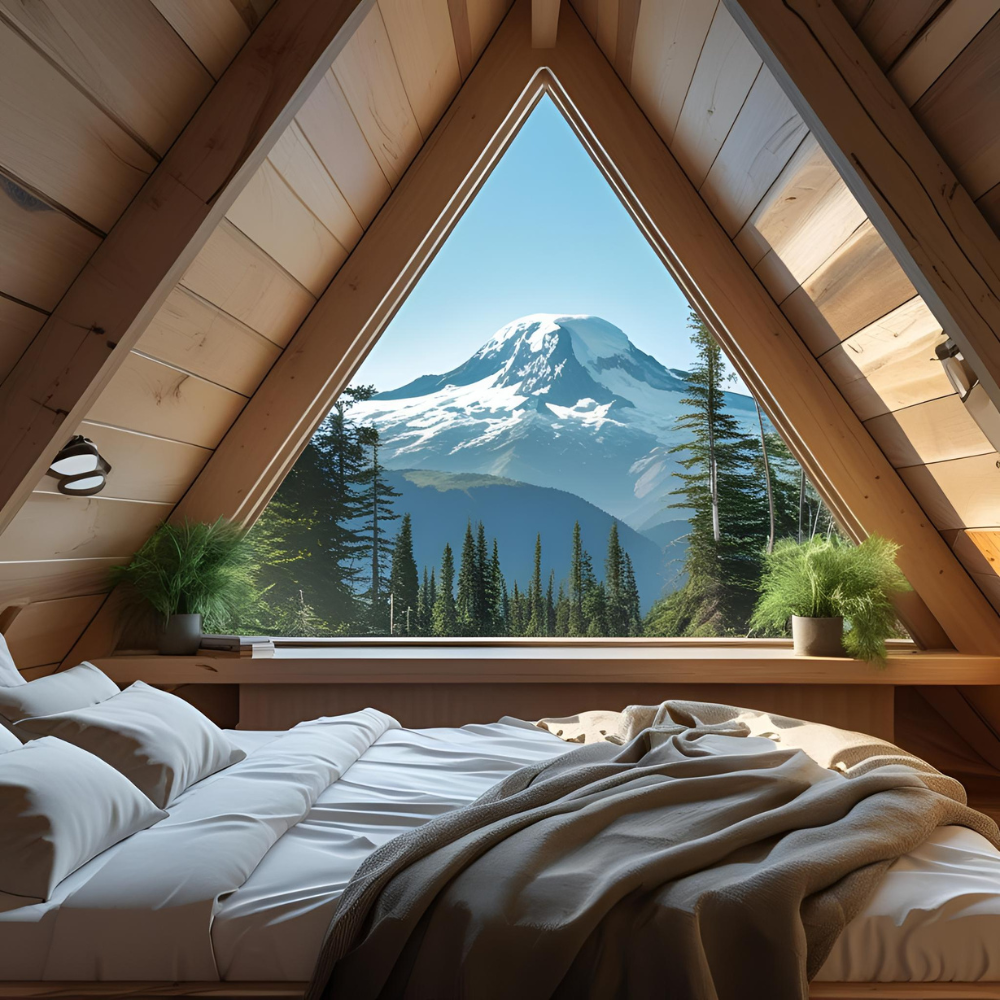
Your home needs a Wow Factor—something memorable, irresistible, and shareable.
Examples in Seattle:
A rooftop deck with a Space Needle view

A lakeside cabin with private kayaks

A modern A-frame with Mount Rainier visible from bed
In today’s market, “nice” is not enough. The winners are either:
Unique and unforgettable, or
Professionally optimized and priced with a clear niche
(If you want to improve performance through positioning and pricing strategy, this pairs well: Smart pricing rental property management)
How to Know If You Have a Wow Factor
Use this Wow Factor Checklist:






- Scenic Setting: Is your home on the water, in the mountains, or with an iconic view?
- Architectural Interest: Treehouse, dome home, A-frame, container home?
- Exceptional Location: Are you walking distance to a famous spot?
- Unique Activities: Can guests do something special—like oyster harvesting or fire pits under the stars?
- Memorable Design: Does your home’s style or layout feel special?
- Personal Touch: Can you offer local food, art, wellness, or adventure?
Airbnb Is Evolving Too
Airbnb is shifting its focus from just stays to experiences.
- Airbnb Categories highlight treehouses, domes, and “OMG!” homes
- Airbnb Experiences let guests book drumming lessons, hikes, and local meals
- A recent update allows bundling stays + experiences, helping unique hosts stand out
I still remember an Airbnb I booked in Kauai, where we visited a Hawaiian chief’s home and learned fire dancing and drumming. That wasn’t a tour. That was a memory.
Should You Stay Short-Term or Go Long-Term?

Ask yourself this:
“Would I choose my STR over a hotel for the same price?”
If your answer is no, it may be time to consider a long-term rental strategy. Long-term rentals tend to win when:
Your STR does not have a clear wow factor
Your bookings depend on heavy discounting
Your net income is unstable month to month
You want fewer operational headaches
You want predictability and long-term ROI
If your property has the wow, the heart, and the story, then lean into it and treat it like a real hospitality product, not just a furnished rental.
Key takeaway
Short-term rentals are not just about handing over keys. In 2026, STR performance depends on either a clear wow factor or disciplined revenue management. If your property is not consistently producing strong occupancy and net income after real costs, converting to a long-term rental can deliver more predictable ROI and fewer operational surprises.
Ready to Maximize Your Rental Income?
At GPS Renting, we specialize in helping Seattle landlords protect and grow their rental income.
If your short-term rental is underperforming or you want a clearer long-term income strategy, talk to our experts and discover what your property could truly earn.