What Landlords and Tenants Must Know to Stay Compliant and Safe
Keeping a Seattle rental property safe is not optional. Smoke alarms and carbon monoxide (CO) alarms are legally required in residential units, and failure to comply can lead to fines, liability exposure, and preventable harm.
This guide summarizes Seattle and Washington State requirements for smoke and carbon monoxide alarms in rental housing, including placement standards, landlord responsibilities, and maintenance obligations.
Key Takeaway
Seattle landlords must provide working smoke alarms and carbon monoxide alarms in all rental units. Smoke alarms generally belong inside bedrooms, outside sleeping areas, and on each level. CO alarms generally belong outside sleeping areas and on each floor. Tenants maintain the devices during tenancy, but owners are responsible for installation and ensuring the unit is compliant at move-in.
Why Smoke and CO Alarms Matter
Carbon monoxide is an odorless, colorless gas that can cause severe illness or death. It is produced any time fossil fuels burn, including gas furnaces, fireplaces, water heaters, generators, and vehicles left running in attached garages. According to the Seattle Fire Department, building owners must ensure CO alarms are installed in residential rental units, and tenants are responsible for maintaining them, including replacing batteries (when applicable) Seattle Fire Department smoke and CO alarms program.
Compliance gaps are common even when laws exist. A published study in Preventive Medicine Reports found that while CO alarm use increased substantially after Washington’s law took effect, many renters without alarms reported the reason was that their landlord did not provide one Compliance with Washington State’s requirement for residential carbon monoxide alarms.
Smoke Alarm Requirements in Seattle Rentals
Smoke alarm requirements are enforced through Seattle’s adopted building and residential codes and state landlord tenant duties. Based on Seattle Department of Construction and Inspections Tip #317, smoke alarms are required in rental housing, and specific placement rules apply in both new and many existing residences SDCI Tip #317 Smoke and Carbon Monoxide Alarms.
Where smoke alarms must be installed
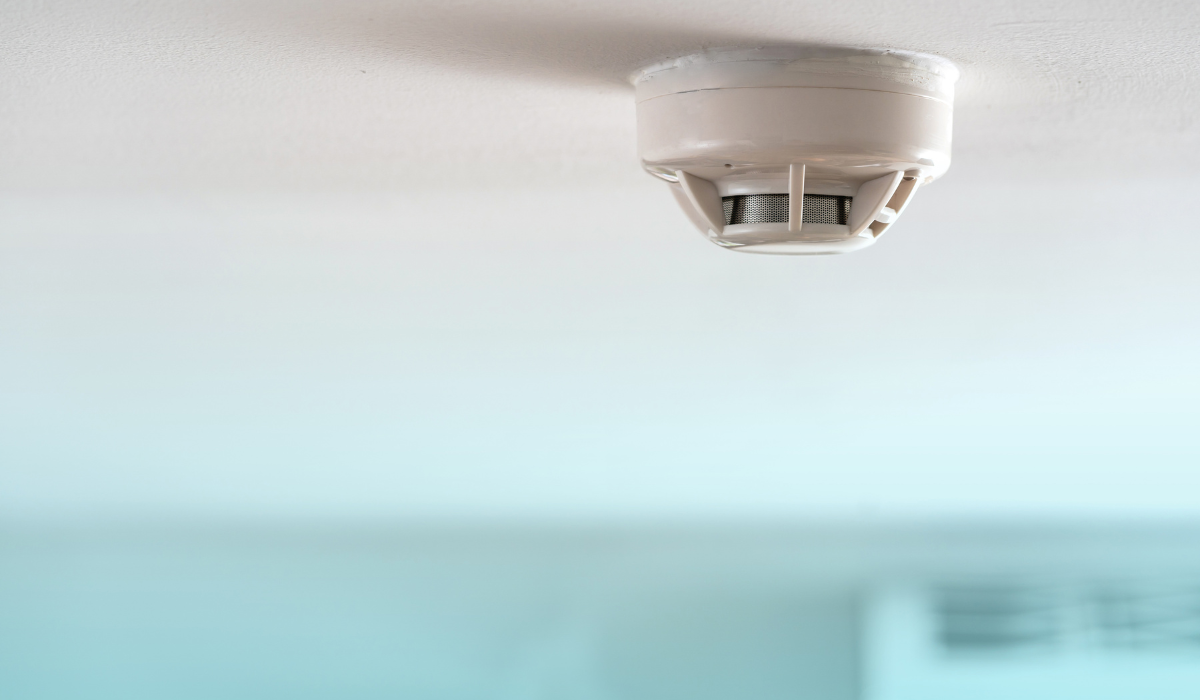
According to SDCI Tip #317, the general rule is that smoke alarms must be installed inside every bedroom, outside each sleeping area, and on every level of the home including basements SDCI Tip #317 Smoke and Carbon Monoxide Alarms.
New construction and major remodels
Based on SDCI Tip #317, smoke alarms in new homes must be hardwired with battery backup and interconnected so that if one sounds, all sound SDCI Tip #317 Smoke and Carbon Monoxide Alarms.
Carbon Monoxide Alarm Requirements in Seattle Rentals
According to Washington State law RCW 19.27.530, carbon monoxide alarms are required in most residential buildings, including rental units RCW 19.27.530 Carbon monoxide alarms. Seattle’s codes adopt and incorporate these requirements, and they apply broadly to rental housing.
Where CO alarms must be installed
Based on SDCI Tip #317, install CO alarms right outside each bedroom area with at least one alarm on each floor SDCI Tip #317 Smoke and Carbon Monoxide Alarms.
Landlord vs Tenant Responsibilities
Landlord responsibilities
Landlords must provide required alarms and ensure they work at move-in and between tenancies. Based on Seattle’s guidance and state landlord duties, owners must install and ensure alarms are operational before a unit is re-occupied and provide tenants with required fire safety information SDCI Tip #317 Smoke and Carbon Monoxide Alarms. For general landlord duties that relate to safety disclosures, see RCW 59.18.060 RCW 59.18.060 Landlord duties.
Tenant responsibilities
According to the Seattle Fire Department, tenants are responsible for maintaining alarms during tenancy, including replacing batteries (unless sealed 10-year models) and notifying the landlord if devices fail Seattle Fire Department smoke and CO alarms program.
If a rental does not have a smoke or CO alarm and communication with a landlord is difficult, the Seattle Fire Department lists housing enforcement and tenant support resources that may assist Seattle Fire Department smoke and CO alarms program.
Maintenance and Replacement Rules
Test
- According to the Seattle Fire Department, test battery-operated alarms once per month to ensure they are working Seattle Fire Department smoke and CO alarms program.
Batteries
- Based on Seattle Fire Department recommendations, replace smoke alarm batteries once per year, and replace immediately if the alarm chirps for low battery Seattle Fire Department smoke and CO alarms program.
Replacement timeline
- According to the Seattle Fire Department, replace smoke alarms every 10 years, and many CO alarms have an end-of-life warning and a typical life expectancy around seven years Seattle Fire Department smoke and CO alarms program.
Best Practice for Seattle Rentals
Because the rules for smoke alarms and CO alarms differ slightly, many owners simplify compliance by using combination alarms and following smoke-alarm placement rules throughout the home. Based on the Washington compliance study, many homes had alarms but not enough devices to meet placement standards, which suggests that clear, consistent installation planning prevents mistakes Compliance with Washington State’s requirement for residential carbon monoxide alarms.
Staying compliant with Seattle’s smoke and carbon monoxide detector requirements is not just about passing inspections — it’s about protecting lives and reducing liability.
If you are unsure whether your rental property meets current Seattle Fire Code and Washington State requirements, now is the time to review it.
At GPS Renting, we help Seattle landlords stay ahead of safety regulations, maintenance standards, and compliance updates so you can protect your investment with confidence.
Want a professional review of your rental property’s safety compliance and overall performance?
Talk to our team today and get clear guidance on what your property needs — and what it does not.
Learn more
Learn more about How to Handle After-Hours Maintenance Emergencies in Your Rental Property
Learn more about Mold & Moisture Prevention in Seattle Rental Homes
Learn more about Best Pet Policy for Seattle Rentals
Learn more about Seattle Fair Chance Housing Ordinance SMC 14.09
Learn more about Residential Property Management in Seattle
Sources
Seattle Fire Department. Free Smoke and Carbon Monoxide (CO) Alarms Assistance
Seattle Department of Construction and Inspections. Tip #317 Smoke and Carbon Monoxide Alarms in Residences and Family Home Day Care
Washington State Legislature. RCW 19.27.530 Carbon monoxide alarms
Washington State Legislature. RCW 59.18.060 Landlord duties
Hampson NB, Holm JR. Compliance with Washington State’s requirement for residential carbon monoxide alarms (Preventive Medicine Reports, 2017)