Seattle Landlords: Mold Can Cut Property Value by Up to 37% — Here’s How to Prevent It
Seattle’s damp climate is not just inconvenient — it’s expensive.
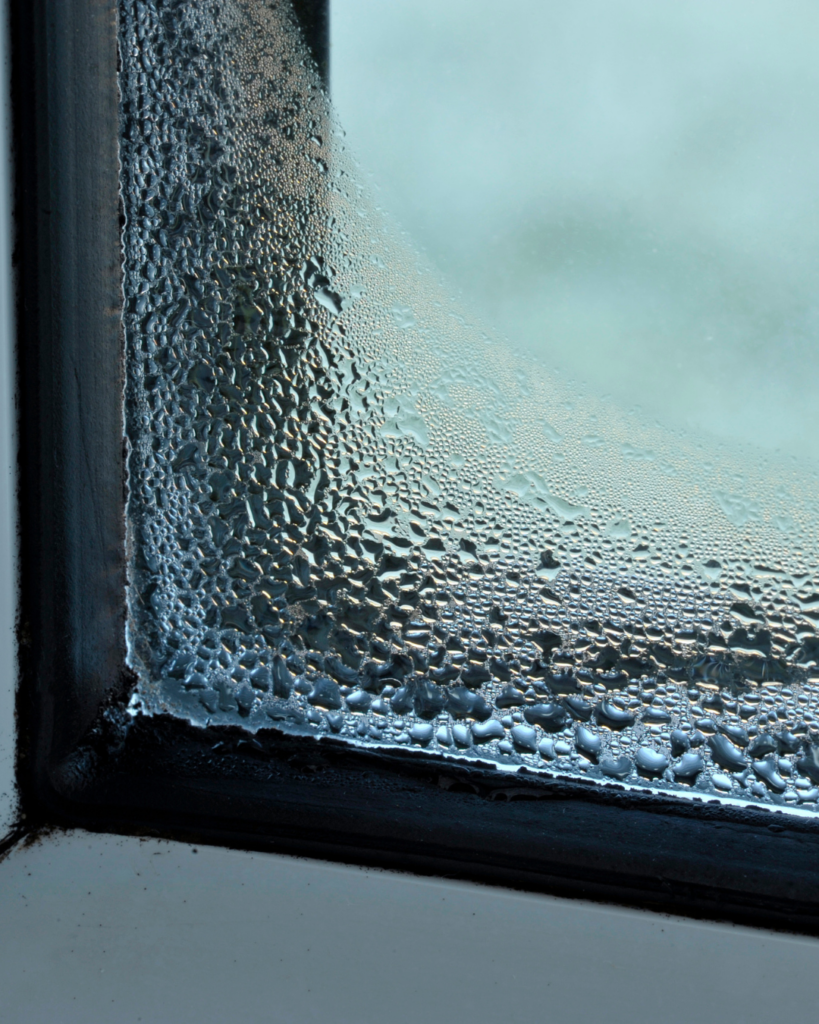
In Western Washington, moisture is constant. Rainy seasons stretch for months. Crawlspaces stay damp. Windows collect condensation daily. And according to regional housing data, mold is significantly more common in the Pacific Northwest than national averages.
For landlords, that means one thing:
Moisture problems don’t stay small.
They turn into:
Structural damage
Tenant complaints
Failed inspections
Expensive remediation
Reduced resale value
If you own rental property in Seattle, mold prevention isn’t optional; it’s asset protection.
Why Mold Is a Serious Financial Risk in Seattle
Seattle isn’t Phoenix. It isn’t Denver. Our environment creates ideal conditions for mold growth.
According to RubyHome, while roughly 47% of U.S. homes show signs of dampness or mold-related conditions, rates in the Pacific Northwest are considered higher due to persistent rain and elevated humidity.
In Seattle specifically:
Moisture intrusion has affected multifamily construction
Approximately 20% of certain Seattle multifamily buildings (1984–1998) experienced premature building envelope failures tied to moisture
Wood moisture above 16–17% can initiate mold growth
Mold also directly impacts resale value.
According to RubyHome, homes with mold can see value reductions between 10% and 37%.
Based on Redfin, buyers frequently hesitate — or walk away — when mold is discovered during inspection.
Restoration professionals confirm that visible mold, odor, or prior remediation history can become a long-term disclosure red flag (All County Waterproofing).
For landlords, this isn’t just about cleanup.It’s about protecting long-term equity.

Why Mold Happens in Seattle Rentals (And How to Stop It)
Mold is not random. It needs three things:
Moisture
Organic material (wood, drywall)
Poor airflow
Seattle provides moisture naturally. That means prevention is about controlling the other two.
1. Control Humidity
Based on guidance from the Washington State Department of Health moisture control is the foundation of mold prevention.
Best practice:
Monitor humidity
Improve airflow
Reduce condensation
Dry damp areas immediately
2. Fix Leaks Immediately
Roof leaks, plumbing failures, gutter backups — these are the real mold triggers.
According to Angi , mold remediation in Seattle typically costs between $1,008 and $2,967, averaging around $1,988.
A small leak can become a multi-thousand-dollar repair if ignored.

3. Improve Ventilation
Based on public health guidance, routine ventilation and moisture removal are key to preventing mold growth (King County Public Health).
Practical controls:
Run bathroom fans during and after showers
Use kitchen ventilation
Maintain steady indoor heat
Keep furniture away from exterior walls
Homes prone to condensation should be inspected regularly, according to Washington reporting on rental housing challenges (The Chronicle ).
4. Know Who Is Responsible
If mold results from structural leaks → landlord responsibility.
If mold results from lifestyle moisture and lack of ventilation → typically tenant responsibility.
But the smartest move is always early investigation and documentation.
Seattle landlords don’t lose money because of mold.
They lose money because of delayed response, poor ventilation systems, and lack of documentation.
GPS Renting helps landlords:
Catch moisture issues early
Coordinate fast vendor response
Reduce repair costs
Prevent vacancy from avoidable damage
Protect long-term property value
If you want a proactive system that protects your rental before small moisture problems become major structural issues: